

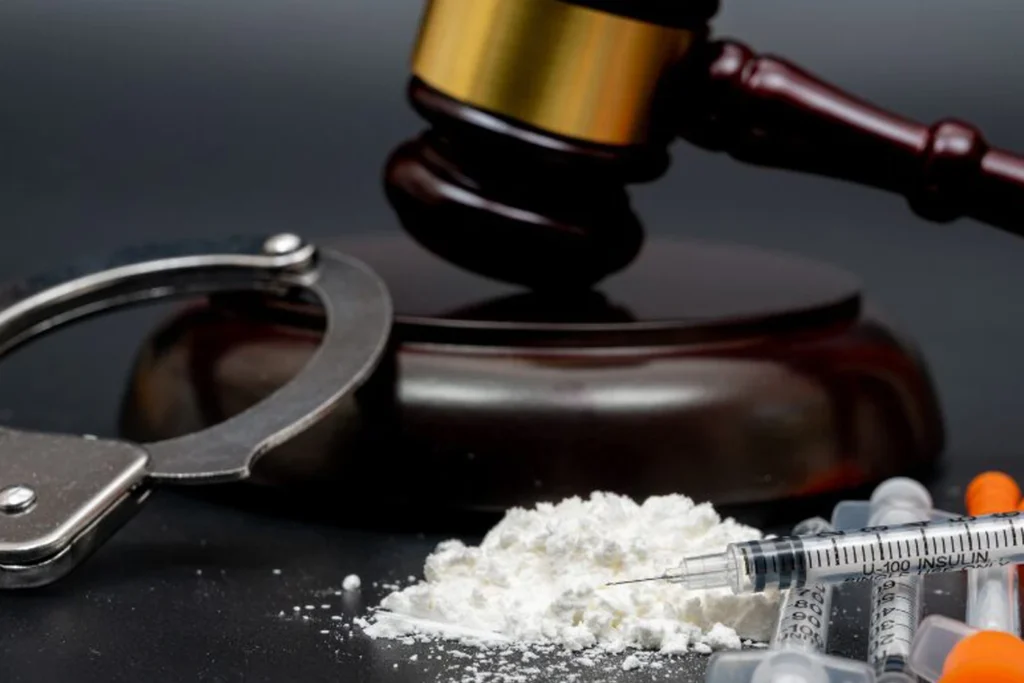
Drug-related arrests are among the most common criminal cases in Houston and across Texas. These cases may involve marijuana, cocaine, meth, prescription drugs, or other controlled substances. Penalties can include jail time, fines, probation, and a lasting criminal record. The outcome depends on the type and amount of drug involved, as well as whether it is considered possession or intent to distribute.
Location and circumstances of the arrest can also affect the severity of charges. A Houston drug crime lawyer can help protect your rights and explore legal defenses.
How Does Texas Classify Drug Crimes?
Several key factors influence how drug-related offenses are charged and punished in Houston. These circumstances can significantly change whether a case is treated as a misdemeanor or a felony, as well as the severity of sentencing. If you are facing drug-related charges, a drug crime lawyer near me can help you understand the classification of your offense and the potential consequences.
- Type and quantity of drugs: The classification of the substance and the amount found are primary factors in determining charges. Larger quantities typically result in felony-level offenses, while even small amounts of certain controlled substances can still lead to prosecution.
- Intent to sell or distribute: If law enforcement believes the drugs were intended for sale, penalties increase significantly. Evidence such as packaging materials, scales, or large amounts of cash may be used to support distribution-related charges.
- Location of the offense: Drug crimes committed near schools, parks, or other protected areas may trigger enhanced penalties under Texas law. These enhancements can elevate charges and lead to stricter sentencing.
- Prior criminal record: A defendant’s previous convictions can heavily influence sentencing outcomes. Repeat offenses often lead to harsher penalties and reduced chances of leniency.
- Type of controlled substance: Different drugs are classified under different penalty groups in Texas law. Substances considered more dangerous or addictive typically carry more severe punishments.
- Circumstances of arrest: How the arrest occurred, including whether a search was lawful and whether evidence was properly collected, can impact the strength of the case. Violations of procedure may result in evidence being suppressed.
Types of Drug Charges and Penalties in Texas
Drug offenses in Texas are classified based on the type of controlled substance, its penalty group under state law, and the quantity involved, with sentencing ranging from minor misdemeanor penalties to serious felony convictions that can include long prison terms, heavy fines, and long-term consequences such as a permanent criminal record. Texas courts apply strict sentencing guidelines, and even small differences in weight or intent can significantly change how a case is charged and punished.
Marijuana Charges
Marijuana possession is governed under Texas Health and Safety Code § 481.121 and remains illegal for recreational use in Texas, with penalties depending primarily on the weight of the substance and whether there are any aggravating factors such as prior convictions or intent to distribute.
- Small amount (Class B misdemeanor): Possession of up to 2 ounces can result in up to 180 days in jail and fines up to $2,000, depending on case circumstances and prior record.
- Moderate amount (State jail felony): Possession between 4 ounces and 5 pounds is treated as a state jail felony and can lead to 180 days to 2 years in state jail along with significant fines and probation restrictions.
- Larger amounts (Felony charges): Possession over 5 pounds can result in felony charges ranging from 2 to 99 years in prison depending on quantity and aggravating factors under Texas law.
Texas classifies marijuana possession penalties based on the amount involved, with larger quantities resulting in more severe criminal charges and penalties.
THC Concentrate Charges
Under Texas Health and Safety Code § 481.112, THC concentrates such as vape cartridges, wax, and oils are often prosecuted more severely than marijuana flower because they contain highly concentrated levels of THC and may fall under different controlled substance penalty groups depending on chemical composition.
- Low quantities: Even small amounts of THC concentrates can be charged as felony offenses depending on how the substance is classified under Texas controlled substance laws.
- Felony exposure: Many cases involving THC concentrates are prosecuted as state jail or third-degree felonies, even when the amount appears minimal.
- Higher quantities: Larger amounts can lead to long-term prison sentences and elevated felony classifications with significantly harsher penalties.
Cocaine Charges
Cocaine is classified as a Penalty Group 1 controlled substance under Texas Health and Safety Code § 481.112, and it is aggressively prosecuted due to its high potential for abuse and strict classification under state law.
- Less than 1 gram: This is typically charged as a state jail felony, carrying up to 2 years in state jail and fines depending on the case.
- 1 to 4 grams: This range is treated as a third-degree felony with penalties of 2 to 10 years in prison and additional court-imposed fines.
- Higher quantities: Larger amounts elevate the charge to a first-degree felony, which can carry 5 to 99 years or life imprisonment depending on the circumstances.
Methamphetamine Charges
Methamphetamine is also classified as a Penalty Group 1 substance under Texas Health and Safety Code § 481.115, and it is aggressively prosecuted due to its high abuse potential and strong association with distribution networks.
- Small amounts: Even small quantities can lead to state jail felony charges depending on the circumstances of possession and prior history.
- Moderate amounts: Possession of moderate quantities is typically charged as a third-degree felony with 2 to 10 years of potential imprisonment.
- Large quantities: Larger amounts can result in first-degree felony charges carrying long-term imprisonment and substantial fines.
Heroin Charges
Heroin is a Penalty Group 1 substance under Texas law § 481.115, and penalties are determined primarily by weight, with even small amounts treated as serious felony offenses.
- Small amounts: Possession can result in state jail felony charges with potential incarceration and fines depending on case details.
- Moderate amounts: Typically charged as a third-degree felony with 2 to 10 years in prison and strict sentencing guidelines.
- Large amounts: Larger quantities can result in first-degree felony charges carrying 5 to 99 years or life imprisonment.
Fentanyl Charges
Fentanyl is a highly potent synthetic opioid that is strictly controlled under Texas Health and Safety Code § 481.115 due to its extreme risk of overdose and death, and even very small amounts can lead to serious felony prosecution.
- Any amount: Possession of fentanyl can immediately result in felony charges due to its classification and potency.
- Small quantities: Often charged as state jail or third-degree felonies depending on case facts and prior history.
- Larger quantities: Higher amounts can lead to first-degree felony charges and extended prison sentences.
Prescription Drug Charges
Prescription drug offenses occur when controlled medications are possessed, obtained, or distributed without legal authorization, and these cases often involve legally manufactured drugs that become illegal due to misuse or improper handling.
- Unauthorized possession: Can range from misdemeanor to felony depending on the type, classification, and quantity of medication involved, especially for controlled substances listed under Texas penalty groups.
- Prescription fraud: Using fake prescriptions or deceptive methods to obtain medication is treated as a felony offense and can carry severe criminal penalties under Texas controlled substance laws.
- Distribution: Selling, sharing, or transferring prescription medication without authorization is prosecuted as a felony drug offense with potential prison sentences and fines.
Possession With Intent to Deliver
Possession with intent to deliver is a more serious charge than simple possession, where prosecutors attempt to prove that drugs were intended for sale or distribution using circumstantial evidence such as packaging, cash, or communication records.
- Evidence-based enhancement: Charges are often upgraded when evidence like packaging materials, digital scales, or large quantities suggests distribution activity rather than personal use.
- Charge escalation: Even a simple possession case can be elevated to felony intent-to-deliver charges if prosecutors believe sufficient circumstantial evidence exists.
- Severe penalties: Convictions can result in lengthy prison sentences, heavy fines, and long-term felony records depending on the drug type and amount involved.
Drug Manufacturing Charges
Under Texas Health and Safety Code § 481.002, Drug manufacturing involves producing, preparing, or processing controlled substances and is treated as one of the most serious drug-related offenses in Texas due to its association with large-scale drug operations and distribution networks.
- Production offenses: Manufacturing any controlled substance can result in felony prosecution under Texas law, regardless of scale or intent.
- Incarceration penalties: Convictions often lead to lengthy prison sentences that vary based on the substance type, quantity, and circumstances of the offense.
- Asset forfeiture: Law enforcement may seize money, vehicles, property, or equipment believed to be connected to drug manufacturing activity under Texas forfeiture laws.
Common Defenses to Drug Charges
Drug charges in Houston can often be challenged depending on how the evidence was obtained and whether legal procedures were properly followed. A strong defense strategy depends on the specific facts of the case.
- Illegal search and seizure: If law enforcement searched a person, vehicle, or property without a valid warrant or legal justification, the evidence may be suppressed under the Fourth Amendment. This can significantly weaken the prosecution’s case.
- Lack of possession: The prosecution must prove that the accused knowingly possessed the controlled substance. If the drugs belonged to someone else or the defendant was unaware of their presence, this can be a valid defense.
- Chain of custody issues: Drug evidence must be properly handled and documented from the time of seizure to the laboratory. Any gaps or errors in this process can raise doubts about the reliability of the evidence.
- Faulty laboratory testing: If testing procedures are incorrect or contaminated, the substance may be misidentified. Challenging lab results can create reasonable doubt in court.
- Violation of constitutional rights: Any evidence obtained through unlawful detention, coercion, or improper interrogation may be challenged and excluded from trial.
- Lack of intent: In cases involving alleged distribution, the prosecution must prove intent to sell or deliver drugs. Without sufficient evidence, charges may be reduced or dismissed.
What Should You Do After a Drug Arrest?
The steps you take immediately after a drug arrest in Houston can strongly influence the outcome of your case, so it is important to act carefully and understand your legal rights from the very beginning. Staying calm and respectful during the arrest helps avoid escalating the situation or creating additional legal issues. You should exercise your right to remain silent and avoid answering questions that could be used against you later in court. It is also important not to discuss your case with anyone, including friends or on social media, and to preserve any relevant documents or evidence. Most importantly, contacting a criminal defense attorney as soon as possible can help protect your rights and ensure proper legal guidance throughout the process.
Taking the right steps immediately after a drug arrest can help protect your rights and strengthen your legal defense.
How a Houston Drug Crime Lawyer Can Help
Drug crime cases in Houston often involve complex evidence, constitutional protections, and detailed legal procedures that require careful handling. An experienced attorney can play a key role in protecting your rights and building a strong defense.
A lawyer may assist by:
- Reviewing police reports: An attorney carefully examines arrest records, officer statements, and case details to identify errors or inconsistencies that may weaken the prosecution’s case.
- Challenging unlawful searches: If law enforcement violated constitutional protections during a search or seizure, a lawyer may seek to have illegally obtained evidence excluded from court.
- Examining laboratory testing: Drug cases rely heavily on chemical analysis, and an attorney can review testing procedures to identify potential errors or chain-of-custody issues.
- Negotiating with prosecutors: A lawyer may work to reduce charges, dismiss weak cases, or secure alternative sentencing options through plea negotiations.
- Seeking reduced charges: In some cases, attorneys can argue for lesser offenses based on evidence, intent, or mitigating circumstances.
- Preparing for trial when necessary: If a fair resolution cannot be reached, a lawyer builds a strong courtroom defense strategy and represents the client at trial.
Prompt legal intervention may improve the chances of a favorable outcome. A skilled Houston criminal defense attorney can provide dedicated representation and help you navigate complex legal challenges effectively.
Talk to a Houston Drug Crimes Lawyer
Drug charges in Houston can range from simple possession offenses to serious felony allegations involving distribution or manufacturing. A conviction can affect your freedom, employment opportunities, professional licenses, and future.
At Juan L. Guerra, Jr. & Associates, PLLC, we defend individuals facing drug-related charges throughout Houston and the surrounding areas. Our team is committed to protecting your constitutional rights, challenging weak evidence, and pursuing the best possible outcome for your case.
If you have been arrested for a drug offense, contact us today for a free and confidential consultation to discuss your legal options and defense strategies.