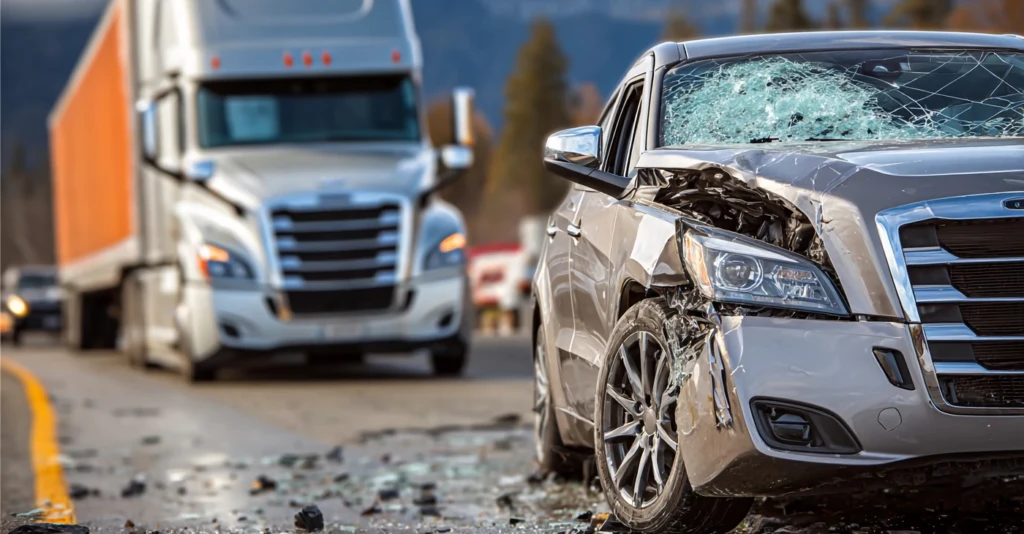


If you are searching for information about a car accident Houston drivers can report online, there is an important distinction to understand: you generally cannot use the Houston Police Department’s ordinary online police-report system to report a vehicle crash. HPD uses a separate accident and crash-report process. If someone is injured, killed, or a vehicle cannot be safely driven, Texas law requires immediate notice to the appropriate law-enforcement authority. For emergencies, call 911.
For people looking for a Houston car accident attorney, understanding the reporting process is only the first step. You should also preserve photographs, witness information, insurance documents, medical records, and other evidence. The correct procedure depends on the circumstances of the collision, whether police investigated it, and whether anyone was injured.
File a Houston Car Accident Report Online
If you are looking to report a new car accident, you generally cannot file it through HPD’s standard online police-report form. That system is limited to certain non-vehicle-related incidents and specifically excludes crashes and hit-and-runs. For a crash requiring police response, contact HPD at 713-884-3131; call 911 for an emergency or injuries.
If a Houston police officer investigated your collision, the officer may complete a Texas Peace Officer’s Crash Report (CR-3). Once the report has been processed, you can obtain a copy online through the authorized crash-report system. HPD states that accident reports generally require 5–8 days of processing before becoming available.
To obtain your Houston accident report online:
- Wait for the report to become available. Allow several days after the crash for processing.
- Gather identifying information, such as the accident date, location, names of drivers or parties involved, and incident number if available.
- Use the authorized online crash-report purchase system. TxDOT provides an online system for obtaining eligible CR-3 reports.
- Confirm your eligibility. Texas law limits who may obtain a crash report, including people directly involved in the collision and certain insurers or authorized representatives.
- Complete the required information and payment. Online purchases may include a service surcharge.
- Receive the report electronically. TxDOT states that customers using its online system receive purchased reports by email.
Important: You are not filing the initial crash through the HPD online incident-report form. You are obtaining a copy of an officer-created crash report online after the collision has been reported and investigated. If no officer investigated the crash, a CR-3 may not exist to purchase online.
What Information Should You Keep After a Houston Car Accident?
A police crash report should not be your only record of the collision. As soon as it is safe, photograph vehicle damage, road conditions, traffic signs, lane markings, visible injuries, and the surrounding area. If possible, photograph the other vehicle and license plate without putting yourself in danger. Exchange the other driver’s name, contact information, insurance details, driver’s license information, and vehicle information. Obtain witness names and contact information when available. Save dashcam footage, photographs, videos, repair estimates, towing receipts, medical bills, and other accident-related records.
The Texas Department of Insurance provides guidance about auto insurance coverage and steps drivers can take after an accident. Reviewing your policy and promptly notifying your insurer can help you understand what your coverage requires. If an insurer asks for a recorded statement, settlement agreement, or detailed explanation of fault after a serious collision, consider speaking with a car accident attorney near me before making decisions that could affect an injury claim.
What If the Crash Was a Hit-and-Run?
A hit-and-run should not be treated as an ordinary online service request. If another driver leaves the scene, contact law enforcement promptly and provide all available information. This may include the vehicle’s make, model, color, license plate, direction of travel, location, time, and witness information.
If someone is injured or the incident presents an immediate danger, call 911. For a non-emergency police response within Houston, HPD provides its non-emergency number at 713-884-3131.
Do not chase the fleeing vehicle. Instead, preserve dashcam footage, photographs, or other evidence that may help investigators identify the driver. Nearby businesses or residences may also have surveillance footage, so tell investigators about potentially useful cameras as soon as possible.
What If No Officer Investigated the Accident?
Not every collision results in a police investigation or an officer-created crash report. TxDOT explains that the former Driver’s Crash Report, known as Form CR-2, is no longer retained by TxDOT. Drivers who receive a similar local form after a crash that was not investigated by an officer should retain it for their own records. Therefore, do not assume that an online search will produce a report for every Houston collision. The availability of an official crash report depends partly on whether law enforcement investigated the collision and whether the resulting record is eligible for release.
How Does a Crash Report Affect an Insurance Claim?
A crash report can be useful evidence, but it does not automatically decide legal responsibility or the amount of compensation available. Insurance companies may consider the report alongside photographs, witness statements, medical records, vehicle damage, repair estimates, and other evidence. Texas Transportation Code §550.062 requires a law-enforcement officer investigating a qualifying collision involving injury, death, or apparent property damage of at least $1,000 to make a written report and file it electronically with TxDOT within the statutory period.
The Texas Department of Insurance explains that Texas drivers are generally responsible for accidents they cause and provides consumer information about auto coverage and accident claims. If you suffered injuries, remember that an insurance claim and a lawsuit are different processes. Texas Civil Practice and Remedies Code §16.003 generally provides a two-year limitations period for personal-injury lawsuits, although exceptions may apply.
What Should You Do After Reporting a Houston Car Accident?
- Get medical attention. Seek appropriate care for injuries and follow medical instructions. Some injuries may not be immediately apparent.
- Preserve evidence. Keep photographs, videos, dashcam recordings, vehicle information, repair documents, and witness contacts.
- Obtain the crash report. If an officer investigates the collision, check HPD and TxDOT’s procedures after the report becomes available.
- Notify your insurer. Follow your policy’s reporting requirements and provide accurate information about the collision.
- Document your losses. Keep medical bills, repair invoices, towing costs, rental-car expenses, and records of income lost because of the accident.
- Avoid unnecessary statements. Do not speculate about fault or exaggerate the extent of your injuries when speaking with insurers or others.
- Consider legal advice. If you suffered significant injuries, liability is disputed, insurance coverage is complicated, or the other driver fled, speaking with a qualified Houston personal injury attorney may help you understand your options.
When Should You Consider Legal Help After a Houston Crash?
Legal guidance may be particularly useful when a collision causes serious injuries, substantial property damage, disputed liability, lost income, or complicated insurance issues. An attorney can review the available evidence, explain potential claims, identify applicable deadlines, and help you understand communications from insurance companies.
A lawyer may also be helpful when multiple vehicles are involved, a commercial vehicle contributed to the collision, a hit-and-run driver has not been identified, or the circumstances surrounding fault are disputed. The appropriate legal strategy depends on the facts, evidence, insurance coverage, and applicable Texas law.
Read Related: what to do after a car crash in Texas
How Long Should You Keep Your Accident Records?
Keep accident-related records for as long as the claim remains active and follow any additional retention advice from your attorney or insurer. Organize your crash report, photographs, medical records, repair invoices, insurance correspondence, wage-loss documentation, and settlement communications. Do not assume the police report contains everything needed to establish an injury claim. The report may document the collision, while medical and financial records can establish the extent and consequences of injuries. Preserve original photographs and videos rather than relying only on edited or compressed copies.
Need Legal Help After a Houston Car Accident? Contact Us
Knowing how to file a Houston car incident online starts with understanding that a vehicle collision is different from an ordinary HPD online incident report. For qualifying crashes, Texas law requires appropriate immediate reporting, while an officer-created crash report may later be obtained through HPD or TxDOT’s established records process.
If you were involved in a Houston car accident, preserve evidence, follow your insurance policy requirements, and pay attention to applicable Texas deadlines. If injuries, fault, insurance coverage, or a potential lawsuit make the situation more complicated, consider obtaining legal guidance before making important decisions. Juan L. Guerra, Jr. & Associates, PLLC can be reached at (713) 489-6839 to discuss whether a consultation or case review is appropriate.