

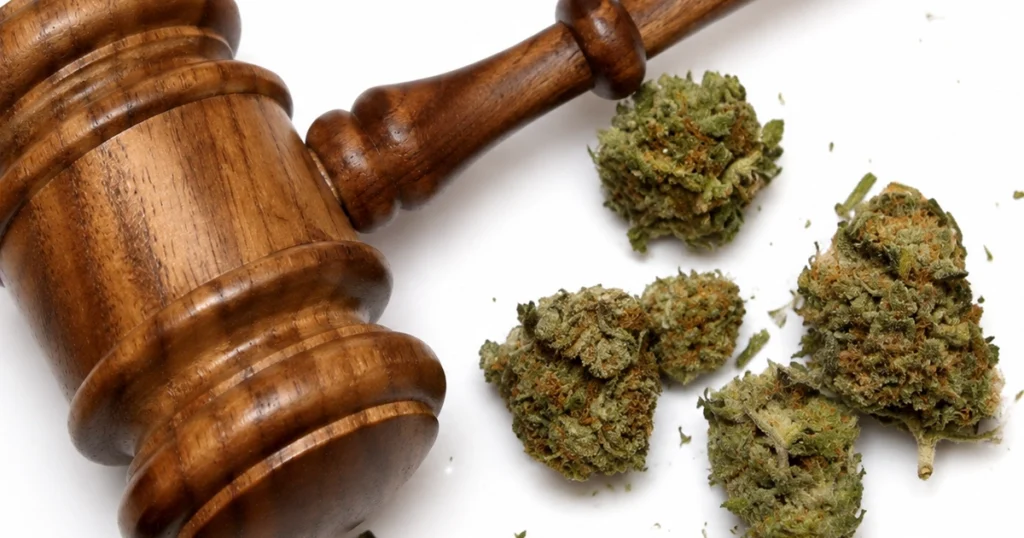
Texas maintains some of the strictest marijuana laws in the United States, making it important for residents and visitors to understand what is and is not legal. While certain limited medical marijuana programs exist, recreational marijuana remains illegal in most situations. Confusion often arises regarding hemp products, CBD, THC concentrates, and possession laws. Even small amounts of marijuana can lead to criminal charges and serious legal consequences.
Understanding these laws can help individuals avoid violations and protect their rights. If you face a marijuana-related charge in Houston, consulting a drug offense lawyer Houston may help you understand your legal options.
What Counts as Marijuana Under Texas Law?
Under Texas law, marijuana generally refers to any part of the cannabis plant, including its leaves, flowers, seeds, and resins that contain tetrahydrocannabinol (THC), the psychoactive compound responsible for its intoxicating effects. The law also covers products derived from marijuana, such as concentrates, oils, edibles, and other THC-containing substances. However, certain hemp products containing no more than 0.3% delta-9 THC by dry weight may be treated differently under state and federal law. A drug crime lawyer near me can help determine how the law applies to your situation. Whether a substance qualifies as marijuana can significantly affect the charges and penalties a person may face.
Hemp vs Marijuana: Why the Difference Matters
Marijuana and hemp both come from the cannabis plant, but they are classified differently under Texas law based on their THC content. This distinction affects their legality, uses, and potential legal consequences.
What Is Marijuana?
Marijuana is a cannabis product with higher THC levels that remains largely illegal in Texas outside limited medical exceptions.
- THC Content: Marijuana contains more than 0.3% delta-9 THC, the compound responsible for the psychoactive effects associated with cannabis. Higher THC levels can lead to intoxication and impairment.
- Legal Status: Recreational marijuana remains illegal in Texas, and possession may result in criminal penalties. Limited medical use is allowed only under specific state programs.
- Psychoactive Effects: Due to its higher THC content, marijuana can alter perception, mood, and cognitive function. These effects are the primary reason it is regulated differently from hemp.
- Common Uses: Marijuana is commonly associated with recreational use and certain approved medical applications. It may be consumed in various forms, including flower, oils, and edibles.
- Legal Consequences: Possessing marijuana in Texas can lead to fines, misdemeanor charges, or more serious penalties depending on the amount involved. Prior offenses may also affect potential consequences.
What Is Hemp?
Hemp is a low-THC cannabis plant that is legal under Texas and federal law when it meets regulatory requirements.
- THC Content: Hemp contains 0.3% delta-9 THC or less by dry weight. Because of its low THC concentration, hemp generally does not produce the same intoxicating effects as marijuana.
- Legal Status: Hemp is legal under state and federal law when it meets regulatory requirements. Licensed production, sale, and distribution are subject to specific rules.
- Psychoactive Effects: Hemp products typically contain very low levels of THC and are not intended to cause intoxication. Many hemp-derived products are used for commercial or wellness purposes.
- Common Uses: Hemp is widely used in products such as CBD items, textiles, paper, rope, and industrial materials. Its versatility makes it valuable across multiple industries.
- Legal Consequences: Lawfully produced and possessed hemp products generally do not carry criminal penalties. However, products that exceed legal THC limits may create legal issues.
Is Marijuana Legal in Texas?
Under Texas law, recreational marijuana is illegal and remains a controlled substance in most circumstances. Texas Health and Safety Code § 481.121 makes it unlawful to knowingly or intentionally possess usable marijuana without legal authorization. The state does allow limited access to low-THC cannabis through the Compassionate Use Program for qualifying medical conditions. Individuals who possess marijuana outside these limited exceptions may face criminal charges, fines, or other penalties depending on the amount involved. Because marijuana laws can carry serious legal consequences, understanding the requirements of Texas Health and Safety Code Chapter 481 is important for anyone living in or visiting Texas.
Recreational marijuana remains illegal in Texas, with only limited medical exceptions available under state law.
What Counts as Marijuana Under Texas Law?
Texas law defines marijuana as the Cannabis plant and its derivatives that contain more than 0.3% delta-9 THC by dry weight, excluding certain legally defined hemp products. Under Texas Health and Safety Code § 481.002, marijuana generally includes the plant’s leaves, flowers, seeds, and resins that are not exempted by law. The legal classification of a cannabis product often depends on its THC concentration and how it is produced. Because hemp and marijuana can appear similar, determining whether a substance is legal may require laboratory testing. Understanding this distinction is important because possession of marijuana may result in criminal penalties under Texas law.
What Are the Penalties for Marijuana Possession in Texas?
Texas law imposes penalties for marijuana possession based on the amount involved. Under Texas Health and Safety Code § 481.121, larger quantities can result in more serious criminal charges and harsher penalties.
- Possession of 2 ounces or less (Texas Health & Safety Code § 481.121(b)(1)): This offense is generally classified as a Class B misdemeanor. A conviction may result in up to 180 days in jail and a fine of up to $2,000.
- Possession of more than 2 ounces but less than 4 ounces (Texas Health & Safety Code § 481.121(b)(2)): This amount is typically charged as a Class A misdemeanor. Penalties may include up to one year in county jail and fines of up to $4,000.
- Possession of more than 4 ounces but less than 5 pounds (Texas Health & Safety Code § 481.121(b)(3)): This offense is generally considered a state jail felony. A conviction can result in confinement in a state jail facility and significant financial penalties.
- Possession of more than 5 pounds but less than 50 pounds (Texas Health & Safety Code § 481.121(b)(4)): This offense is usually charged as a third-degree felony. Individuals convicted may face substantial prison sentences and fines.
- Possession of more than 50 pounds (Texas Health & Safety Code § 481.121(b)(5)-(6)): Large-scale possession may result in second-degree or first-degree felony charges. These offenses can carry lengthy prison terms and fines of up to $50,000.
Is Driving After Using Marijuana Illegal?
Yes, driving while impaired by marijuana is illegal in Texas. Although Texas does not have a specific legal THC limit for drivers, law enforcement may arrest a person for driving while intoxicated (DWI) if marijuana use has impaired their normal mental or physical abilities. Prosecutors can use observations, field sobriety tests, and other evidence to support a DWI charge. A conviction may result in fines, license suspension, jail time, and other serious consequences. Because impairment can occur even without recent consumption, drivers should avoid operating a vehicle after using marijuana.
Can Marijuana Charges Affect Employment?
Yes, marijuana charges can affect employment opportunities in Texas. Many employers conduct background checks, and a criminal charge or conviction may influence hiring decisions, promotions, or continued employment. Certain professions that require professional licenses, security clearances, or positions of trust may be particularly impacted. Even if a case does not result in a conviction, an arrest record can sometimes create challenges during the job application process. Understanding your legal options may help reduce the long-term consequences of a marijuana-related charge.
A marijuana charge can have lasting effects on your employment opportunities, making it important to understand your legal rights and options.
Possible Defenses to Marijuana Charges
A marijuana charge does not automatically result in a conviction. Depending on the circumstances of the arrest, several legal defenses may be available under Texas law to challenge the prosecution’s case.
- Illegal search and seizure (U.S. Constitution Fourth Amendment): Evidence may be excluded if law enforcement obtained marijuana through an unlawful search or without a valid warrant or legal exception. If the court suppresses the evidence, the prosecution’s case may be significantly weakened.
- Lack of possession (Texas Health & Safety Code § 481.121): Prosecutors must prove that the defendant knowingly possessed the marijuana. A defense may exist if the substance belonged to someone else or the defendant was unaware of its presence.
- Insufficient evidence: The prosecution has the burden of proving every element of the offense beyond a reasonable doubt. If the evidence is weak, inconsistent, or incomplete, the charges may be reduced or dismissed.
- Laboratory testing issues: The state must establish that the substance meets the legal definition of marijuana. Errors in testing, handling, or chain-of-custody procedures may create reasonable doubt regarding the evidence.
- Valid medical authorization: In certain situations, a person may have legal authorization to possess low-THC cannabis through Texas’ Compassionate Use Program. Documentation and compliance with program requirements may be relevant to the defense.
- Violations of constitutional rights: Statements or evidence obtained in violation of a defendant’s constitutional rights may be challenged in court. This can include issues involving unlawful detention, interrogation, or failure to follow required legal procedures.
What Should You Do After a Marijuana Arrest?
The steps you take after a marijuana arrest can have a significant impact on your case. Acting carefully and understanding your legal rights may help protect your interests throughout the criminal justice process.
- Remain calm and exercise your right to remain silent: Avoid discussing the incident with law enforcement beyond providing basic identifying information. Anything you say may be used as evidence during the prosecution of your case.
- Do not consent to additional searches: Politely decline requests for searches unless officers have legal authority to proceed. Preserving your rights may help your attorney evaluate whether any constitutional violations occurred.
- Follow all court requirements: Attend every scheduled court appearance and comply with any bond conditions. Missing deadlines or hearings can lead to additional legal consequences and complications.
- Preserve important information: Write down details about the arrest, including the location, officers involved, witnesses, and any statements made. This information may be helpful when preparing a defense.
- Avoid discussing the case publicly: Do not post about the arrest on social media or discuss details with others. Public statements can sometimes be used against you during legal proceedings.
- Contact a criminal defense attorney as soon as possible: An attorney can explain the charges, review the evidence, and help protect your rights. Early legal representation may improve your ability to respond effectively to the allegations.
How a Houston Criminal Defense Lawyer Can Help
Facing a marijuana charge can be overwhelming, especially when your freedom, reputation, and future may be at risk. A Houston criminal defense lawyer can guide you through the legal process and work to protect your rights at every stage of the case.
- Evaluate the facts of your case: An attorney reviews police reports, witness statements, and evidence to identify weaknesses in the prosecution’s case. This analysis helps determine the most effective defense strategy.
- Challenge unlawful searches and seizures: A lawyer can examine whether law enforcement complied with constitutional requirements during the investigation. Evidence obtained illegally may be subject to suppression.
- Protect your constitutional rights: Defense counsel ensures that your rights are respected throughout the criminal justice process. Any violations may provide grounds for challenging the charges or evidence.
- Negotiate with prosecutors: An attorney may seek reduced charges, alternative sentencing options, or case dismissal when appropriate. Effective negotiations can help minimize the potential consequences of a conviction.
- Represent you in court: A lawyer handles hearings, motions, and trial proceedings on your behalf. Professional advocacy helps ensure that your side of the case is presented effectively.
- Provide guidance throughout the process: Criminal cases can involve complex legal procedures and deadlines. An attorney helps you understand your options and make informed decisions about your defense.
An experienced Houston criminal defense lawyer can provide the guidance and representation needed to handle complex legal challenges effectively.
Talk to a Houston Marijuana Defense Lawyer
Texas marijuana laws remain stricter than those in many other states. While limited medical cannabis is permitted under specific circumstances, recreational marijuana possession can still result in criminal charges and significant penalties. Understanding what is legal and what is not can help individuals avoid serious legal consequences.
At Juan L. Guerra, Jr. & Associates, PLLC, we help individuals throughout Houston defend against marijuana-related charges and protect their rights throughout the criminal justice process. Our team provides personalized representation and aggressive advocacy for clients facing misdemeanor and felony drug allegations.
If you have been arrested for a marijuana-related offense, contact us today for a free and confidential consultation to discuss your case and legal options.