

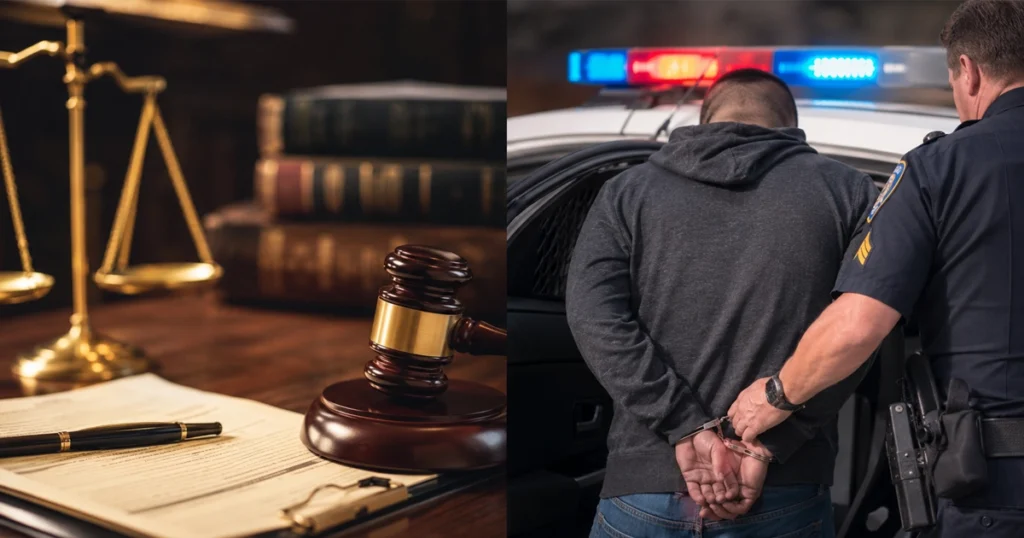
Many people hear the terms “civil law” and “criminal law” but are often unsure what separates the two, even though both involve legal disputes and court proceedings. Criminal law deals with offenses against the state and focuses on punishment through penalties such as fines, probation, jail, or prison sentences. Civil law involves disputes between individuals, businesses, or organizations and usually seeks financial compensation or other legal remedies instead of punishment. While both operate within the court system, their goals and outcomes are very different. If you are facing criminal charges, seeking guidance from a criminal defense Houston, TX, attorney can help you understand your rights and legal options.
What Is Criminal Law?
Criminal law involves offenses that violate state or federal laws and are prosecuted by the government to protect public safety and enforce the law. If you are facing criminal charges, speaking with a criminal defense lawyer near me as early as possible can help you understand your rights and legal options. Penalties may include fines, probation, jail, or prison, depending on the severity of the offense.
Purpose of Criminal Law
Criminal law exists to maintain order in society by defining illegal conduct and setting penalties for violations. It ensures justice by balancing punishment, prevention, and rehabilitation of offenders.
- Punishing unlawful behavior: Criminal law imposes penalties such as fines, probation, or imprisonment to hold offenders accountable for breaking the law. These punishments reflect the seriousness of the offense.
- Protecting public safety: Laws are designed to prevent harm to individuals and society by restricting dangerous or harmful conduct. This helps reduce risks and maintain community security.
- Deterring future crimes: Strict penalties discourage individuals and others from engaging in similar illegal behavior. The goal is to reduce repeat offenses and prevent crime overall.
- Rehabilitating offenders: Criminal justice systems often include programs aimed at correcting behavior and helping offenders reintegrate into society. This may involve counseling or supervised release.
- Maintaining public order: Criminal law ensures rules are followed consistently to keep society stable and functioning. It provides a legal framework for resolving unlawful actions.
Common Types of Criminal Cases in Texas
Criminal cases in Texas include a wide range of offenses prosecuted by the state. These offenses range from minor misdemeanors to serious felonies depending on the facts and severity. Each case type carries different legal penalties such as fines, probation, jail time, or prison.
- DWI offenses: Driving while intoxicated involves operating a vehicle under the influence of alcohol or drugs and can lead to license suspension, fines, mandatory programs, and jail time depending on prior offenses.
- Drug crimes: Drug offenses include possession, distribution, manufacturing, or trafficking of controlled substances, with penalties varying based on drug type, quantity, and intent.
- Assault charges: Assault involves intentionally causing bodily injury or threatening harm, with aggravated cases involving weapons or serious injury leading to felony penalties.
- Theft offenses: Theft is the unlawful taking of property with intent to deprive the owner, and penalties depend on the value of the stolen property and prior convictions.
- Robbery: Robbery involves theft combined with force or threat and is treated as a serious violent felony with significant prison sentences.
- Burglary: Burglary occurs when a person unlawfully enters a building or habitation with intent to commit a crime inside, often resulting in felony charges.
- Domestic violence allegations: These cases involve harm or threats between family or household members and can lead to protective orders, jail time, and long-term consequences.
- Weapons offenses: Weapons crimes involve illegal possession or use of firearms or restricted weapons, which can result in misdemeanor or felony charges depending on the circumstances.
What Is Civil Law?
Civil law deals with disputes between private individuals, businesses, or organizations rather than criminal offenses against the state. These cases are usually aimed at resolving disagreements through compensation or other legal remedies instead of punishment. Courts decide liability and determine whether one party must pay damages or take specific actions based on the evidence. The burden of proof is lower than in criminal cases, focusing on a “preponderance of evidence” to ensure fair resolution of disputes.
Purpose of Civil Law
Civil law exists to provide a legal framework for resolving disputes and ensuring fair outcomes between private parties. It focuses on restoring balance rather than punishing wrongdoing.
- Compensate injured parties: Civil law allows individuals to recover financial damages for losses caused by another party’s actions or negligence. This helps restore them to their original position as much as possible.
- Resolve disputes: Courts help settle disagreements between individuals or businesses in a structured legal process. This prevents conflicts from escalating outside the legal system.
- Enforce contracts: Civil law ensures that agreements between parties are legally binding and honored. If a contract is broken, courts can enforce terms or award damages.
- Protect legal rights: It safeguards personal, property, and financial rights by allowing individuals to take legal action when those rights are violated.
- Provide equitable remedies: Courts may issue non-monetary solutions such as injunctions or specific performance to ensure fairness in certain cases.
Common Civil Cases in Texas
Civil cases in Texas involve disputes between individuals, businesses, or organizations where one party seeks compensation or legal remedies rather than criminal punishment. These cases are resolved in civil courts and often involve financial damages or enforcement of rights.
- Personal injury cases: These involve accidents such as car crashes, slips and falls, or workplace injuries where one party seeks compensation for medical expenses, lost wages, and damages.
- Contract disputes: These cases arise when one party fails to fulfill the terms of a written or verbal agreement, leading to financial loss or breach of contract claims.
- Property disputes: Property cases involve disagreements over ownership, boundaries, leases, or damage to real or personal property.
- Family law cases: These include divorce, child custody, child support, and other domestic relations matters handled under Texas family law courts.
- Employment disputes: These involve workplace issues such as wrongful termination, wage disputes, discrimination, or harassment claims.
- Landlord-tenant disputes: These cases occur when disagreements arise between renters and property owners over leases, eviction, or property conditions.
- Defamation cases: Defamation involves harm to a person’s reputation through false statements, including libel (written) or slander (spoken).
- Business disputes: These involve conflicts between companies or partners over contracts, operations, or financial responsibilities.
Civil cases cover a wide range of legal disputes where individuals or businesses seek financial compensation, enforcement of rights, or other legal remedies through the court system.
Key Differences Between Civil and Criminal Cases
Civil and criminal cases in Texas differ in purpose, procedure, and outcomes. Criminal cases are filed by the state to punish unlawful conduct, while civil cases are filed by private parties to resolve disputes and obtain compensation. Both follow different legal standards and result in very different consequences.
Criminal vs Civil Case Purpose
Criminal cases are designed to protect society by punishing illegal behavior. Civil cases focus on resolving private disputes between individuals or organizations.
They serve different legal goals within the justice system. One enforces law, the other enforces rights.
- Criminal cases protect public safety: These cases punish actions considered harmful to society as a whole. They are prosecuted by the government, not individuals.
- Civil cases resolve private disputes: These cases involve compensation for harm or breach of rights. They are filed by individuals, businesses, or organizations.
Filing Party in Each Case
In criminal cases, the government prosecutes the accused on behalf of society to enforce public law and maintain order. The state controls the case, and prosecutors decide how charges are filed and pursued. The victim may provide evidence but does not control the proceedings or final outcome. In civil cases, a private individual or organization files a lawsuit seeking compensation or legal relief.
Burden of Proof Differences
Criminal cases require proof beyond a reasonable doubt, which is the highest legal standard and demands very strong evidence before a conviction can occur. This standard is designed to protect individuals from wrongful punishment. Civil cases use a lower standard called preponderance of the evidence, where one side only needs to show their claim is more likely true than not. This means civil cases can be decided with less strict proof.
Outcomes and Penalties
Criminal cases can result in severe punishments such as jail or prison time, fines, probation, and a permanent criminal record. These penalties are imposed by the state to punish unlawful behavior and deter future crimes. Civil cases, on the other hand, usually result in financial compensation or court orders requiring a party to act or stop certain behavior. Civil judgments do not typically involve imprisonment.
The Role of Attorneys in Civil and Criminal Cases
Attorneys in criminal and civil cases both play essential roles in protecting legal rights and guiding clients through the court system. In criminal cases, defense attorneys represent individuals accused of crimes by challenging evidence, protecting constitutional rights, and ensuring a fair trial, while prosecutors represent the state and must prove guilt beyond a reasonable doubt. In civil cases, attorneys represent private parties such as individuals or businesses involved in disputes, helping them file claims, present evidence, and negotiate settlements. Criminal lawyers focus on whether a law was broken and possible punishment like jail or fines, while civil lawyers focus on resolving disputes and securing compensation or legal remedies. In both systems, attorneys ensure proper procedure is followed and advocate for the best possible outcome for their clients.
How to Determine If Your Case Is Civil or Criminal
The type of case depends on who is bringing the claim, what the issue involves, and the type of outcome being sought. Criminal cases are filed by the state to punish unlawful behavior, while civil cases are filed by private parties to resolve disputes or seek compensation. Understanding these differences helps identify the nature of a legal matter.
- Who filed the case: If the government or state is prosecuting, it is a criminal case. If an individual or business files the claim, it is usually a civil case.
- Type of outcome sought: Criminal cases seek punishment such as jail, fines, or probation. Civil cases seek compensation, damages, or court orders.
- Nature of the wrongdoing: Criminal cases involve offenses against public law like theft or assault. Civil cases involve private disputes such as contracts, property, or injuries.
- Legal process involved: Criminal cases go through prosecution and defense in criminal court. Civil cases involve a plaintiff and defendant in civil court proceedings.
- Burden of proof: Criminal cases require proof beyond a reasonable doubt. Civil cases require only a preponderance of the evidence.
The type of legal case depends on who filed it, the legal issue involved, and whether the goal is punishment or compensation.
How Long Do Cases Usually Take?
The timeline of a legal case in Texas depends on the type of case, complexity, and court schedule. Some cases settle quickly, while others take months or years to fully resolve.
Criminal Cases
Criminal cases follow a structured legal process that includes several stages such as arrest, hearings, and trial preparation. Each stage must follow strict legal procedures, which can affect how long the case takes to resolve. Many cases are resolved through plea negotiations, while others proceed to trial if no agreement is reached. The timeline can range from a few months to several years depending on the seriousness of the charges.
- Arrest and bond hearings: The case begins with arrest and a bond hearing where release conditions are set. This early stage helps determine whether the defendant stays in custody or is released.
- Arraignment and pretrial hearings: Formal charges are presented and legal arguments or motions may be discussed. These hearings help prepare the case for trial or settlement.
- Plea negotiations: Many criminal cases are resolved through agreements between the defense and prosecution. This can significantly shorten the case timeline and avoid trial.
- Trial and sentencing: If no agreement is reached, the case goes to trial followed by sentencing if convicted. This stage can extend the case for many months or even years.
Civil Cases
Civil cases involve detailed preparation, evidence exchange, and possible settlement discussions before reaching trial. The process often takes longer due to the discovery phase and negotiations between both parties. Many civil disputes are resolved before trial, but some proceed through the full court process. The overall timeline depends on complexity and court availability.
- Investigation and filing: The case begins with gathering evidence and officially filing a complaint in court. This step establishes the legal dispute.
- Discovery phase: Both parties exchange documents, evidence, and witness information to build their case. This is often the longest stage in civil litigation.
- Depositions and mediation: Witnesses are questioned and settlement discussions are held to avoid trial. Many cases are resolved during this stage.
- Trial proceedings: If no settlement is reached, the case goes before a judge or jury for a final decision. Trials can significantly extend the case timeline.
How a Houston Attorney Can Help
A Houston attorney plays an important role in both civil and criminal cases by guiding clients through complex legal procedures and protecting their rights at every stage. In criminal cases, attorneys focus on defending against charges and minimizing penalties, while in civil cases, they work to prove liability or defend against claims for compensation. Their experience helps ensure that each case is handled strategically based on Texas law.
- Criminal defense representation: A Houston criminal defense attorney protects individuals accused of crimes by challenging evidence, filing motions, and building strong defenses. They also negotiate plea deals to reduce charges or penalties when possible.
- Civil case representation: In civil disputes, attorneys represent plaintiffs or defendants in matters such as injury claims, contracts, or property issues. They work to prove liability or defend against financial claims.
- Case strategy and legal guidance: Attorneys evaluate the facts of each case and develop a strategy tailored to the client’s situation. This includes advising on settlement options or trial preparation.
- Courtroom advocacy: Lawyers represent clients in hearings, negotiations, and trials before judges or juries. Their role is to present evidence clearly and argue effectively under Texas law.
If you need legal guidance for a criminal matter, consulting a Houston attorney criminal defense professional can help you understand your rights, build a strong defense, and navigate the legal process with confidence.
Talk to a Houston Attorney About Your Legal Matter
Civil and criminal law serve different purposes, involve different procedures, and lead to different outcomes. Criminal cases focus on punishment for violations of the law, while civil cases generally seek compensation or other remedies for injured parties.
At Juan L. Guerra, Jr. & Associates, PLLC, we provide representation in both personal injury and criminal defense matters throughout Houston. Whether you have been injured in an accident or are facing criminal charges, our team is committed to protecting your rights and helping you pursue the best possible outcome.