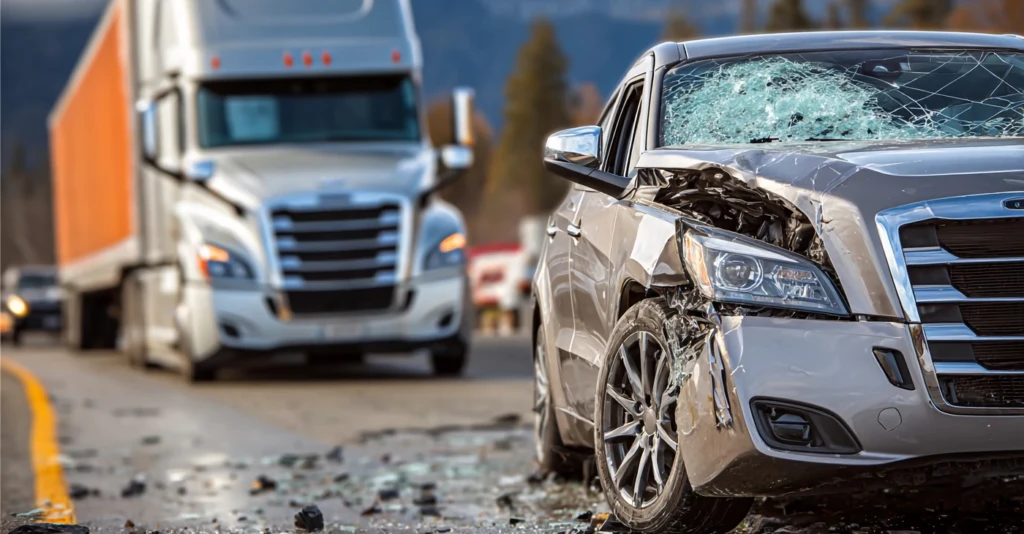

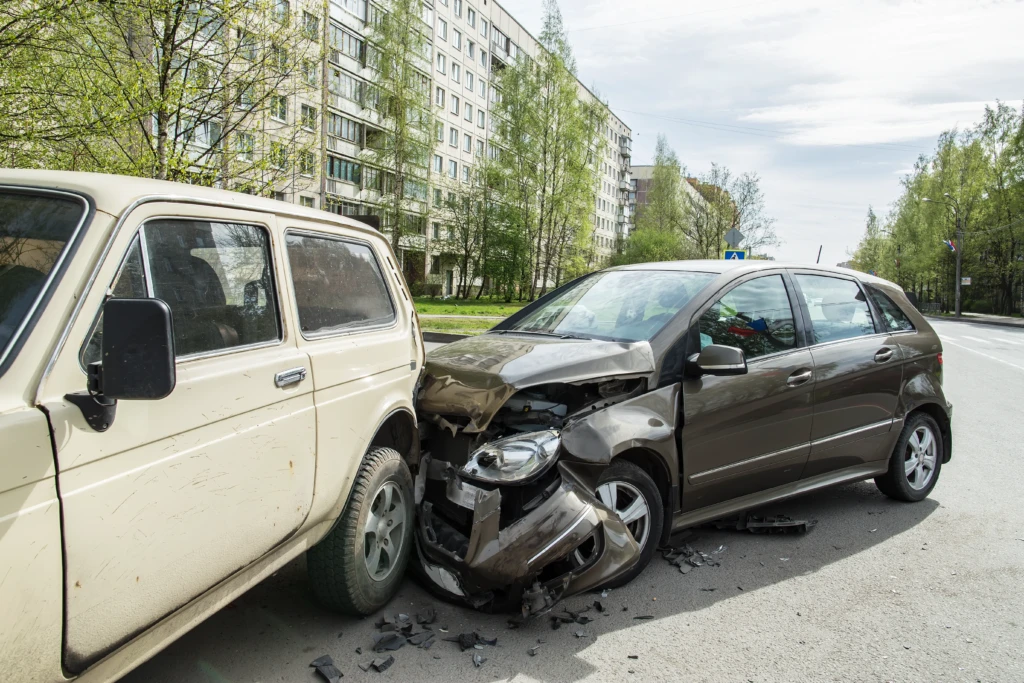
In Houston, liability for a car accident usually depends on which person or entity caused the crash through negligence or another legally recognized basis of responsibility. The at-fault party may be a driver, vehicle owner, employer, manufacturer, government entity, or another responsible party, depending on the facts. Texas also uses proportionate responsibility, so an injured person’s own share of fault can affect recovery. If you are researching a car accident Houston claims, identifying every potentially responsible party and preserving evidence early can be important. A Houston car accident attorney can help evaluate the available evidence.
For example, a distracted driver who causes a rear-end collision may be responsible, while a company may face responsibility when an employee causes a crash within the scope of employment. Other cases can involve defective vehicle components, unsafe road conditions, or multiple drivers whose conduct contributed to the same collision. A lawyer can review the circumstances and explain which Texas liability rules may apply.
Who Can Be Liable for a Car Accident in Houston?
The driver who caused the collision is often the first person considered liable. Negligent driving can include speeding, following too closely, unsafe lane changes, running a red light, distracted driving, or driving while impaired. Texas Transportation Code Section 545.351 requires drivers to operate at a reasonable and prudent speed and to control speed as necessary to avoid collisions.
However, liability does not automatically end with the driver. Depending on the facts, another person or business may have a legal responsibility that contributed to the crash or may be responsible under a different theory of liability.
Can a Driver Be Liable for Causing the Crash?
Yes. A driver may be liable when the evidence shows the driver owed a duty to use reasonable care, breached that duty, and caused legally compensable harm. In practical terms, the question is whether the driver acted in a way a reasonably careful driver would not have acted and whether that conduct caused the injuries or losses claimed.
Evidence can include the crash report, photographs, surveillance video, witness accounts, vehicle damage, medical records, cellphone evidence, and available vehicle or event data. A traffic citation can be relevant, but a ticket by itself does not necessarily resolve every civil liability issue. If you are dealing with disputed fault, speaking with a car accident attorney near me can help you understand how the available evidence may affect your claim.
When Can an Employer Be Liable for a Houston Car Accident?
An employer may potentially be responsible for an employee’s negligent conduct when the employee was acting within the scope of employment. This can arise in collisions involving delivery drivers, service technicians, commercial vehicles, or employees traveling for work.
The details matter. A business does not automatically become liable merely because an employee was driving a company-owned vehicle. The relationship between the driver and business, the driver’s work activities, and the circumstances of the collision can affect the analysis. Employment records, schedules, dispatch information, route data, and company policies may become important.
Also Read: What to Do After a Car Crash in Texas
Can a Vehicle Owner Be Responsible for a Crash?
Sometimes. Vehicle ownership alone does not establish liability for another person’s negligent driving. The analysis can change when the owner independently acted negligently, such as by entrusting a vehicle to a person who was not reasonably fit or qualified to drive it, when the facts support such a claim.
A Houston personal injury attorney may therefore examine who owned the vehicle, who possessed it, who was driving it, why the driver had permission to use it, and whether the owner knew of circumstances that created an unreasonable risk.
Can a Vehicle Manufacturer or Repair Company Be Liable?
A car accident can sometimes involve a defective part, negligent repair, or maintenance problem. Examples might include a failed component, improperly performed repair, or other mechanical condition that contributed to loss of control or prevented the vehicle from operating safely.
These claims can require technical evidence. Investigators may need to inspect the vehicle, preserve failed components, review repair records, identify maintenance providers, and determine whether a product defect or negligent service actually contributed to the collision. A mechanical problem does not automatically prove that a manufacturer or repair business is liable.
What If Poor Road Conditions Contributed to the Crash?
Road design, construction, maintenance, signage, or other roadway conditions can sometimes become part of a liability analysis. Potentially responsible entities may include governmental bodies or private contractors, but claims against governmental entities involve special legal rules and should not be treated like ordinary claims against private drivers.
For a Houston crash, evidence about the location can include photographs, traffic-control information, roadwork records, roadway conditions, and witness observations. Governmental claims can also involve notice requirements, immunity rules, and different deadlines in some circumstances. Because those rules are highly fact-specific, prompt legal review can matter.
Also Read: How long after an accident can you file a claim in Texas?
How Does Texas Comparative Fault Affect Liability?
Texas uses proportionate responsibility in many negligence cases. Under Texas Civil Practice and Remedies Code Chapter 33, a claimant whose percentage of responsibility is greater than 50 percent generally cannot recover damages in an action governed by that chapter. If the claimant is 50 percent or less responsible, damages are generally reduced according to the claimant’s percentage of responsibility.
For example, if a jury finds that another driver was primarily responsible but also determines that the injured person was 20 percent responsible, the claimant’s recovery can be reduced by that percentage, subject to the rules applicable to the claim. The percentages depend on the evidence, and multiple people or entities can be assigned responsibility when the law permits.
How Is Fault Determined After a Houston Car Accident?
Fault is determined from the facts and evidence rather than simply from which driver received a citation or which insurer makes an early decision. Insurance companies conduct their own claim investigations, while a court evaluates evidence under applicable legal standards if a lawsuit is filed.
Important evidence may include:
- Police or crash reports. Texas law requires certain reportable crashes investigated by law enforcement to be reported to the Texas Department of Transportation. TxDOT maintains statewide crash records and explains how eligible people can obtain crash reports.
- Photographs and videos. Images of vehicle positions, damage, traffic signals, road conditions, and nearby businesses can help establish how a collision occurred.
- Witness information. Independent witnesses may provide observations that clarify speed, traffic signals, lane position, or driver behavior.
- Medical records. Treatment records can document injuries and the timing of symptoms, treatment, and related expenses.
- Vehicle and digital evidence. Depending on the vehicles and circumstances, available electronic data, surveillance footage, cellphone records, or other digital evidence may help establish events before or during the collision.
What Role Does Insurance Play in a Houston Car Accident Claim?
Insurance coverage determines how a loss may be paid, but insurance coverage does not by itself determine legal fault. The Texas Department of Insurance explains that liability insurance generally pays for another person’s covered damages when the insured driver is at fault, subject to policy limits and terms. Texas requires drivers to demonstrate financial responsibility, and most drivers satisfy that requirement through auto liability insurance.
If the other driver’s insurer disputes fault, an injured person may need to present evidence supporting the claim. The Texas Department of Insurance recommends documenting the crash, collecting witness information, reporting the accident, and obtaining the police report when applicable. A settlement offer should be evaluated carefully before signing a release because a release can affect future claims.
What Should You Do After a Houston Car Accident?
Taking practical steps after a crash can help preserve evidence and protect your ability to evaluate a claim:
- Seek medical care for injuries and follow medical instructions.
- Report the collision to the appropriate law enforcement agency when required or appropriate.
- Photograph vehicles, injuries, roadway conditions, traffic controls, and visible damage when it is safe to do so.
- Collect names and contact information for drivers and witnesses.
- Obtain available insurance information and keep copies of claim correspondence.
- Preserve photographs, videos, medical records, bills, repair estimates, and other accident-related documents.
- Avoid admitting fault or making speculative statements about what caused the crash.
- Consider speaking with a qualified Texas personal injury attorney when liability is disputed, injuries are serious, multiple parties may be involved, or an insurer disputes responsibility or the value of the claim.
How Long Do You Have to File a Texas Car Accident Lawsuit?
Texas Civil Practice and Remedies Code Section 16.003 generally provides a two-year limitations period for personal injury claims and certain claims involving property damage, with statutory exceptions. The applicable deadline can change depending on the parties, type of claim, and circumstances.
Do not assume the general two-year period applies to every Houston accident. Claims involving governmental entities, minors, wrongful death, or other special circumstances can involve different rules. Waiting can also make it harder to preserve evidence or identify witnesses.
Who Is Liable for a Houston Car Accident? Get Legal Guidance
Who is liable for a car accident Houston drivers experience depends on the specific facts, evidence, and Texas law governing the claim. The responsible party may be another driver, an employer, vehicle owner, manufacturer, repair provider, government entity, or more than one party. Texas proportionate responsibility can also affect recovery when the injured person contributed to the accident.
If you were injured, preserve evidence, document your medical treatment, communicate carefully with insurers, and pay attention to applicable deadlines. A qualified Texas attorney can help you understand potential sources of liability and evaluate the evidence available in your case. Juan L. Guerra, Jr. & Associates, PLLC can discuss the circumstances of a Houston crash and the legal options that may apply.