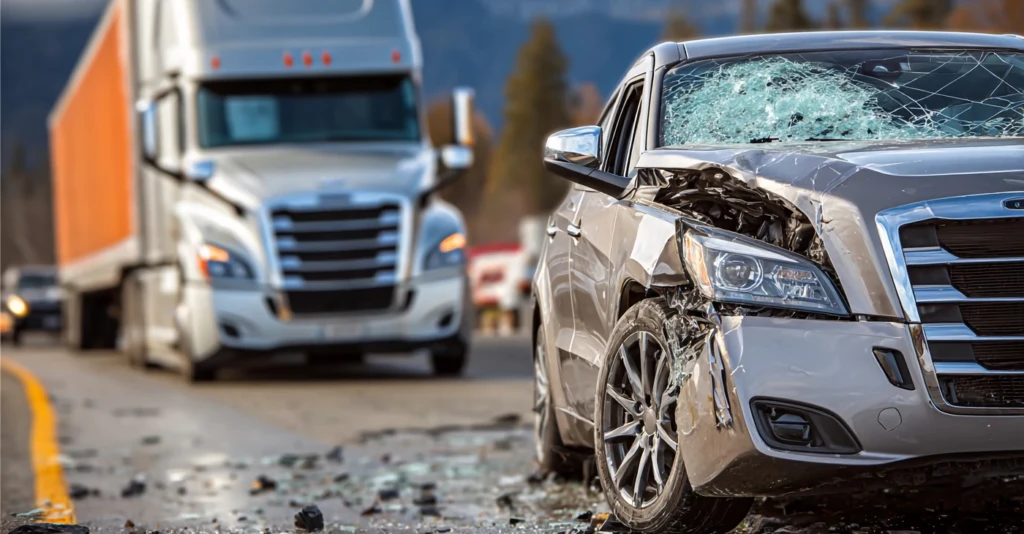


A car crash can leave you feeling overwhelmed, confused, and unsure of what steps to take next. Whether the accident involves minor property damage or serious injuries, your actions immediately after the collision can affect your health, insurance claim, and legal rights. A car accident lawyer Houston drivers trust can help protect your legal rights.
Texas law imposes specific duties on drivers involved in accidents. Failing to follow these requirements may result in criminal penalties, fines, or complications when pursuing compensation for injuries and damages. Texas drivers involved in accidents resulting in injury or death must stop, remain at the scene, determine whether anyone needs aid, and provide required information.
Stay Calm and Check for Injuries
The first priority after any collision is safety. Take a moment to assess yourself, your passengers, and others involved in the accident. Remaining calm can help you think clearly and make important decisions while waiting for emergency responders to arrive. If your injuries are serious or liability is disputed, a car accident lawyer near me can help protect your legal rights.
Check Yourself and Others for Injuries
Even if injuries do not appear serious at first, some conditions may not become apparent until hours or days later. Carefully evaluate yourself and everyone involved for signs of injury before moving around unnecessarily. Prompt identification of injuries can help prevent further complications and ensure proper medical care is received.
Look for signs such as:
- Bleeding or visible injuries: Cuts, bruises, and other visible wounds should be documented and treated as soon as possible. Even minor injuries may worsen if they are not properly cleaned, monitored, or evaluated by a medical professional.
- Head, neck, or back pain: Pain in these areas may indicate whiplash, spinal injuries, or other serious conditions. Sudden movement after a crash can aggravate these injuries, making immediate medical evaluation especially important.
- Dizziness or confusion: Feeling dizzy, disoriented, or confused after an accident may be a sign of a concussion or traumatic brain injury. These symptoms should never be ignored, even if they initially seem mild.
- Difficulty moving: Trouble standing, walking, or moving parts of the body may indicate fractures, muscle damage, or internal injuries. Medical attention can help determine the severity of the injury and prevent additional harm.
Call 911 if Anyone Is Injured
If anyone involved in the accident appears injured, call 911 immediately and request emergency assistance. First responders can assess injuries, provide treatment at the scene, and arrange transportation to a medical facility if necessary. A police response can also help create an official accident report that may become important evidence later.
Move to a Safe Location When Possible
After addressing immediate medical concerns, focus on reducing the risk of additional accidents. Remaining in a dangerous position can expose everyone involved to further harm, especially on busy roads or highways with heavy traffic.
Move Vehicles if They Can Be Safely Driven
Texas law generally requires drivers involved in certain accidents to move vehicles out of traffic when it can be done safely. Relocating vehicles helps prevent additional collisions, improves traffic flow, and reduces the likelihood of creating hazards for other drivers. If a vehicle cannot be moved safely, remain nearby and wait for assistance.
Use Hazard Lights
Turn on your vehicle’s hazard lights immediately if the vehicle remains operational after the collision. Hazard lights alert approaching motorists to the accident scene and provide an additional warning that may help prevent secondary crashes. They are especially important during poor weather conditions, at night, or on high-speed roadways.
Call Law Enforcement
Even when an accident appears minor, contacting law enforcement can be beneficial. Police officers can document important facts, gather statements from involved parties, and create an official report that may support future insurance claims or legal proceedings.
Obtain an Official Accident Report
A police report often serves as one of the most important pieces of evidence following a motor vehicle accident. The report contains information gathered by responding officers and can provide valuable details regarding how the collision occurred and who was involved.
Police reports often contain:
- Driver information: Officers typically collect identifying information from all drivers involved in the crash. This information can be useful when filing insurance claims or communicating with legal representatives.
- Witness statements: Independent witnesses may provide unbiased accounts of what they observed before and during the collision. Their statements can help clarify disputed facts and strengthen a claim.
- Officer observations: Responding officers often document vehicle positions, roadway conditions, visible injuries, and signs of impairment. These observations may help establish the circumstances surrounding the accident.
- Vehicle information: Reports generally include registration details, vehicle descriptions, and ownership information. This helps accurately identify all vehicles involved in the incident.
- Preliminary fault assessments: Officers may note traffic violations or contributing factors observed at the scene. Although these findings are not always legally binding, they can influence insurance investigations.
If you’ve been injured in a motor vehicle accident, a trusted personal injury lawyer Houston can help protect your rights and pursue the compensation you deserve.
Cooperate With Officers
When speaking with law enforcement, provide accurate information about the accident and answer questions honestly. However, avoid speculating about fault, guessing what happened, or making statements that could be interpreted as admissions of liability. Allow the investigation to determine the facts surrounding the collision.
Exchange Information With Other Drivers
Texas law generally requires drivers involved in accidents to exchange certain information with one another. Gathering complete and accurate information at the scene can help streamline the insurance claims process and reduce complications later.
Gather:
- Full name
- Phone number
- Address
- Driver’s license number
- Insurance company
- Policy number
- Vehicle make and model
- License plate number
Avoid Discussing Fault
Keep conversations with other drivers focused on exchanging information and ensuring everyone’s safety. Statements such as apologizing or accepting blame may later be used by insurance companies when evaluating liability. It is best to allow investigators, insurers, and attorneys to determine fault based on the available evidence.
Gather Evidence at the Scene
The evidence collected immediately after a crash can play a significant role in determining liability and supporting compensation claims. The more information you preserve at the scene, the easier it may be to establish exactly what happened.
Take photographs of:
- Vehicle damage
- Skid marks
- Road conditions
- Traffic signs
- Debris
- Injuries
- Weather conditions
Speak With Witnesses
Independent witnesses may provide valuable information regarding how the accident occurred and what they observed before, during, and after the collision. Their testimony can be especially important when drivers provide conflicting accounts of the events leading to the crash.
Collect:
- Names: Recording witness names allows you or your attorney to contact them later if additional information is needed. Proper identification also helps establish credibility if the witness is later asked to testify.
- Phone numbers: A reliable phone number provides a direct method of communication for follow-up conversations. Witness recollections are often strongest shortly after the accident occurs.
- Email addresses: Email communication can make it easier to obtain written statements or provide updates regarding the claim. Having multiple ways to contact witnesses can be beneficial if one method becomes unavailable.
Seek Medical Attention Immediately
Many accident victims initially feel fine after a collision because adrenaline can temporarily mask pain and injury symptoms. A prompt medical evaluation can identify hidden injuries and create records that connect those injuries directly to the accident.
Common delayed symptoms include:
- Whiplash: Neck pain and stiffness often develop hours or days after an accident. Early diagnosis and treatment can help prevent chronic pain and long-term complications.
- Concussions: Head injuries may not immediately produce obvious symptoms. Persistent headaches, dizziness, confusion, or memory issues could indicate a concussion requiring medical attention.
- Soft tissue injuries: Damage to muscles, tendons, and ligaments frequently becomes more noticeable as inflammation develops. These injuries can significantly affect daily activities and mobility.
- Back injuries: Lower back pain and spinal injuries often worsen after the initial shock of the accident subsides. Medical imaging and evaluation may be necessary to determine the extent of the damage.
- Internal injuries: Some internal injuries do not show visible symptoms right away. Delayed treatment can result in serious health complications and potentially life-threatening conditions.
Follow Medical Recommendations
After receiving treatment, carefully follow your doctor’s instructions regarding medications, therapy, follow-up visits, and activity restrictions. Consistent treatment supports recovery and creates a documented record of your injuries. These medical records may become important evidence if you pursue compensation through an insurance claim or personal injury lawsuit.
Notify Your Insurance Company
Most insurance policies require policyholders to report accidents within a reasonable timeframe. Prompt notification allows the insurer to begin its investigation and helps preserve your rights under the policy while the claim is being evaluated.
When speaking with insurers:
- Provide accurate facts: Share truthful information about when, where, and how the accident occurred. Giving accurate details helps prevent misunderstandings and ensures the insurance company can properly investigate the claim.
- Avoid speculation: If you are unsure about certain details, do not guess or make assumptions about what happened. Speculation can create inconsistencies that may later complicate the claims process or affect liability determinations.
- Do not exaggerate injuries: Describe your injuries honestly and allow medical professionals to determine their severity. Exaggerated statements may damage your credibility and could negatively impact your claim if conflicting evidence emerges.
- Keep records of all communications: Save emails, letters, claim numbers, and notes from conversations with insurance representatives. Organized records can help track the progress of your claim and provide valuable documentation if disputes arise later.
Be Careful With Recorded Statements
Insurance adjusters may request recorded statements shortly after an accident while information is still being gathered. Before providing detailed statements, consider consulting an attorney if serious injuries, disputed liability, or complex legal issues are involved. What you say during a recorded statement could affect the outcome of your claim later.
Understand Texas Car Accident Laws
Texas car accident laws explain the legal duties drivers must follow after a crash, including reporting requirements and documentation rules. These laws are mainly found under the Texas Transportation Code Chapter 550, which governs accident reporting and official procedures.
- Immediate Reporting Requirement (Sec. 550.026 – Texas Transportation Code):
Drivers must immediately report an accident to law enforcement if it involves injury, death, or disabling vehicle damage. This ensures the crash is officially recorded and allows authorities to respond quickly and secure the scene. - Driver’s Written Accident Report (Sec. 550.061 – Texas Transportation Code):
If police do not investigate the crash and the damage is $1,000 or more, the driver must file a written report within 10 days. This report is submitted to the Texas Department of Transportation and becomes part of the official record.
- Officer’s Accident Report (Sec. 550.062 – Texas Transportation Code):
When law enforcement investigates a crash involving injury, death, or significant damage, the officer must complete and submit a report within 10 days. This report is often used by insurance companies and legal professionals as key evidence.
- Accident Reporting Threshold ($1,000 Rule):
Any accident that results in $1,000 or more in property damage must be officially reported either by the driver or the responding officer. This threshold determines when a formal crash report is legally required under Texas law.
- Failure to Report Consequences (Sec. 550.061(c)):
Failing to submit a required accident report is a violation of Texas law and can lead to penalties or legal complications. It may also negatively affect insurance claims and liability determinations after the crash.
Common Mistakes to Avoid After a Car Crash
The actions you take immediately after a car crash can significantly impact your injury claim, insurance payout, and legal rights. Even small mistakes can reduce your compensation or create unnecessary complications in proving fault.
Avoid these common mistakes:
- Leaving the accident scene: Leaving the scene before fulfilling legal duties can lead to serious penalties and weaken your claim. Staying ensures you can provide information, assist injured parties, and comply with Texas law.
- Failing to call police: Not involving law enforcement can make it harder to prove what happened in the crash. A police report serves as key evidence for insurance companies and legal claims.
- Admitting fault: Even casual statements like “it was my fault” can be used against you later. Fault should always be determined after a full investigation, not at the accident scene.
- Delaying medical treatment: Waiting to see a doctor can harm both your health and your case. Insurance companies may argue that your injuries were not serious or were unrelated to the crash.
- Failing to document evidence: Without photos, witness details, and vehicle damage records, it becomes harder to support your claim. Proper documentation strengthens your position during negotiations.
- Posting about the accident on social media: Sharing details online can be used by insurance companies to dispute your injuries or claims. Even innocent posts may be misinterpreted and used against you.
- Accepting an early settlement offer without understanding your damages: Early offers are often lower than the actual value of your claim. Once accepted, you usually cannot seek additional compensation later.
Avoiding common mistakes after a car crash can help protect your health, preserve important evidence, and strengthen your insurance or legal claim. Taking the right steps early can make a significant difference in your outcome.
How a Texas Car Accident Lawyer Can Help
Serious car accidents often involve complex insurance rules, disputed liability, and medical documentation challenges. A Texas car accident lawyer helps protect your rights and ensures your claim is properly evaluated and pursued from start to finish.
A lawyer may help by:
- Investigating the crash: A lawyer reviews police reports, photos, and crash details to understand exactly how the accident happened. This helps establish liability and identify all responsible parties.
- Gathering evidence: Important evidence such as surveillance footage, vehicle damage reports, and accident scene documentation is collected to strengthen your case. Strong evidence is critical for proving negligence.
- Interviewing witnesses: Witness statements can support your version of events and clarify disputed facts. A lawyer ensures these statements are properly recorded and legally useful.
- Reviewing medical records: Medical documents are analyzed to connect your injuries directly to the accident. This helps prove the severity of harm and supports your compensation claim.
- Negotiating with insurance companies: Insurance companies often try to minimize payouts, but a lawyer negotiates for a fair settlement. This helps ensure you are not pressured into accepting less than you deserve.
- Calculating damages: A lawyer evaluates all losses, including medical bills, lost wages, and future expenses. This ensures your claim reflects the full financial impact of the accident.
- Filing a lawsuit when necessary: If a fair settlement cannot be reached, the lawyer can file a lawsuit on your behalf. This formal legal action increases pressure for fair compensation.
- Representing you in court if needed: If the case goes to trial, the lawyer presents evidence and argues your case before a judge or jury. This ensures your rights are fully protected in court proceedings.
- Identifying hidden compensation sources: An experienced attorney may find additional compensation sources like multiple at-fault parties or underinsured motorist coverage. This can significantly increase your total recovery.
If you are searching for a motor vehicle accident attorney Houston,, acting quickly can help protect your legal rights and preserve valuable evidence. Early legal guidance can improve your ability to pursue fair compensation after a Texas car accident.
Get Legal Help After a Texas Car Crash
A car accident can impact your health, finances, and future. Knowing what to do after a car crash in Texas can help protect your rights and strengthen any potential injury claim.
At Juan L. Guerra, Jr. & Associates, PLLC, we help accident victims throughout Houston understand their legal options and pursue compensation for medical bills, lost wages, pain and suffering, and other damages. Our team provides client-focused representation backed by more than 15 years of legal experience.
If you or a loved one has been injured in a Texas car accident, contact us today for a free and confidential consultation.