

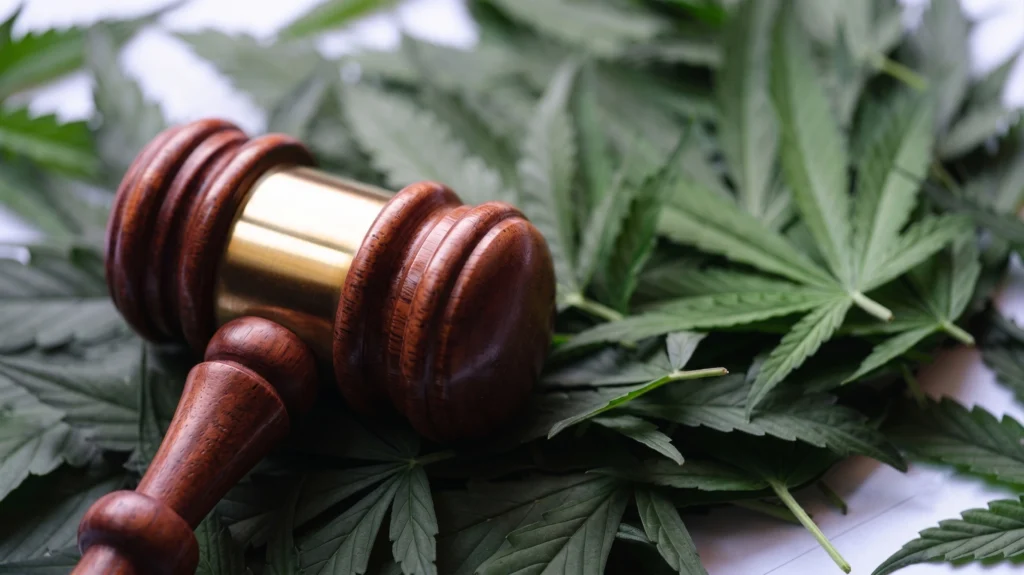
Many people ask, is weed legal in Texas, especially as marijuana laws continue to change across the United States. While some states allow recreational cannabis, Texas still has some of the country’s strictest marijuana laws. Understanding what is legal and what is not can help you avoid serious criminal charges.
Texas permits limited medical marijuana use through a state-approved program, but recreational marijuana remains illegal. Even possessing a small amount of cannabis can result in criminal penalties depending on the circumstances. If you are facing marijuana-related charges, speaking with an experienced drug crimes lawyer Houston can help you understand your rights and legal options.
Is Recreational Weed Legal in Texas?
No. Recreational marijuana is not legal in Texas. State law continues to prohibit the possession, use, sale, cultivation, and distribution of marijuana for recreational purposes. Although several states have legalized recreational cannabis, Texas has not adopted similar legislation.
Possessing marijuana without legal authorization may lead to criminal charges, fines, probation, or even jail time depending on the amount involved and the facts of the case.
Is Medical Weed Legal in Texas?
Yes, but only under limited circumstances. Texas allows certain patients to access low-THC cannabis through the Texas Compassionate Use Program (CUP). This program provides legal access to medical cannabis for individuals diagnosed with qualifying medical conditions.
Unlike many other states, Texas does not issue traditional medical marijuana cards. Instead, qualified physicians prescribe low-THC cannabis through the state’s secure Compassionate Use Registry.
What Is the Texas Compassionate Use Program?
The Texas Compassionate Use Program allows eligible patients to obtain low-THC cannabis products prescribed by a registered physician. The program is regulated by the Texas Department of Public Safety (DPS) and is available only for individuals who meet specific medical requirements. Patients must receive approval from a qualified physician before purchasing cannabis products from a licensed dispensing organization.
Who Qualifies for Medical Marijuana?
Texas law allows medical cannabis only for certain qualifying medical conditions. Eligibility depends on a physician’s evaluation and whether the patient’s condition falls within the state’s approved list.
Common qualifying conditions include:
- Chronic Pain
- Crohn’s Disease
- Inflammatory Bowel Disease (IBD)
- Traumatic Brain Injury (TBI)
- Terminal illnesses and patients under hospice care
- Post-traumatic stress disorder (PTSD)
- Cancer
- Peripheral Neuropathy (Nerve Pain)
- Spasticity (Muscle Spasms)
- ALS
- Autism
- Cerebral Palsy
- Multiple Sclerosis
- Alzheimer’s Disease and other Dementias
- Seizure disorders
- Parkinson’s/Huntington’s Diseases
Because Texas law can change, additional medical conditions may become eligible if approved by the legislature.
What Medical Cannabis Products Are Legal in Texas?
Even for qualified patients, Texas law limits the types of cannabis products that may be legally obtained through the Compassionate Use Program. Smoking marijuana remains prohibited under the program.
Patients may legally receive products such as:
- Cannabis oils: Concentrated liquid extracts that can be taken orally or mixed with food as prescribed by a qualified physician.
- Tinctures: Liquid cannabis products placed under the tongue for faster absorption and controlled dosing.
- Capsules: Measured oral doses that provide a convenient and consistent way to take low-THC cannabis.
- Topical products: Creams, lotions, or balms applied directly to the skin for localized relief without smoking.
- Edibles approved under Texas regulations: Low-THC cannabis products that may be consumed orally when dispensed through a licensed provider.
These products must meet the state’s legal THC limits and be dispensed through licensed providers participating in the Compassionate Use Program.
What Is the Difference Between Marijuana and Hemp?
Many people confuse marijuana with hemp because both come from the cannabis plant. However, Texas law treats them differently based primarily on the amount of Delta-9 THC they contain.
Marijuana
Marijuana contains more than 0.3% Delta-9 THC by dry weight, which separates it from hemp under Texas and federal law. Because of its higher THC concentration, recreational marijuana remains illegal in Texas except for limited medical use through the Compassionate Use Program. Possession, distribution, or manufacturing marijuana can result in criminal charges under the Texas Controlled Substances Act. The penalties depend on the amount involved and may range from misdemeanor to felony offenses.
Hemp
Hemp contains 0.3% Delta-9 THC or less by dry weight and is regulated differently from marijuana under Texas law. The Texas Hemp Farming Act allows certain hemp products to be produced and sold if they meet required THC limits. Hemp is commonly used for products such as CBD oil, textiles, paper, and other industrial materials. These products must comply with state testing and labeling requirements to remain legal.
Why Is Weed Illegal in Texas?
Texas continues to prohibit recreational marijuana because state law classifies marijuana as a controlled substance based on its Delta-9 THC content. The state regulates marijuana possession, distribution, and use under the Texas Controlled Substances Act, with penalties depending on the amount involved.
- Marijuana Is Classified as a Controlled Substance: Under the Texas Controlled Substances Act, marijuana is listed as a controlled substance under Texas Health and Safety Code § 481.002. Possession, manufacturing, and distribution of marijuana can result in criminal charges unless specifically authorized by law.
- Texas Has Limited Medical Marijuana Access: Texas allows qualifying patients to access low-THC cannabis products through the Compassionate Use Program under Texas Health and Safety Code Chapter 487. However, this program does not legalize recreational marijuana use.
- Possession Can Lead to Criminal Penalties: Marijuana possession remains illegal under Texas Health and Safety Code § 481.121, which establishes penalties based on the amount of marijuana possessed. Charges can range from misdemeanors for smaller amounts to felony offenses for larger quantities.
- Public Safety Concerns Influence Marijuana Laws: Texas lawmakers have continued to regulate marijuana due to concerns involving impaired driving, illegal distribution, and misuse of cannabis products. These concerns have contributed to maintaining restrictions on recreational marijuana.
- Federal Classification Also Impacts State Regulations: Marijuana remains classified as a controlled substance under federal law, which has influenced state cannabis policies. Texas continues to enforce its own marijuana restrictions while allowing limited exceptions for approved medical use.
A marijuana defense lawyer can help individuals understand applicable Texas laws, evaluate potential defenses, and protect their rights when facing marijuana-related charges.
What Are the Penalties for Marijuana Possession in Texas?
Texas imposes criminal penalties for possessing marijuana, even in relatively small amounts. The severity of the punishment depends on the amount of cannabis involved and the circumstances of the arrest. Larger quantities or possession with intent to distribute can lead to significantly harsher penalties.
Possession of Small Amounts
Possessing small amounts of marijuana can still result in criminal charges under Texas law. Under Texas Health and Safety Code § 481.121, possession of up to two ounces of marijuana is classified as a Class B misdemeanor. A conviction may lead to fines, jail time, probation, and a criminal record that can affect future opportunities. The final penalty depends on the amount possessed and the circumstances of the case.
Possession of Larger Quantities
Possessing larger quantities of marijuana can result in more serious charges, including felony offenses with higher fines and longer prison sentences. Texas law increases penalties based on the total weight of marijuana involved in the offense. Prosecutors may also consider factors such as prior convictions or evidence suggesting intent to distribute. The consequences can become significantly more severe as the amount of marijuana increases.
Is It Legal to Grow Weed in Texas?
No. Growing marijuana for personal or commercial use is illegal in Texas unless specifically authorized by state law. Unlike some states that allow home cultivation, Texas prohibits cultivating cannabis plants outside the limited medical framework established by the Compassionate Use Program.
Anyone found growing marijuana may face criminal charges based on the number of plants involved, evidence of distribution, and other aggravating circumstances. Cultivation offenses often carry more severe penalties than simple possession, and speaking with a drug crime attorney near me can help you understand your legal options.
Is CBD Legal in Texas?
CBD products are generally legal in Texas if they are derived from hemp and contain no more than 0.3% Delta-9 THC by dry weight. These products became legal following the passage of federal and state hemp laws.
However, not every CBD product sold on the market complies with Texas regulations. Products containing THC above the legal limit or those made from illegal marijuana may still result in criminal liability.
When Can CBD Become Illegal?
CBD products must meet specific legal requirements in Texas to remain compliant, including THC limits, proper sourcing, and accurate labeling.
- Contains More Than 0.3% Delta-9 THC: A CBD product may become illegal if it contains more than the permitted 0.3% Delta-9 THC limit by dry weight. Products exceeding this limit may be classified as marijuana under Texas law.
- Produced From Illegal Marijuana Instead of Hemp: CBD must be derived from legally grown hemp to comply with Texas regulations. Products made from marijuana plants with higher THC levels may be considered illegal cannabis products.
- Has Inaccurate or Misleading Labeling: CBD products must have accurate labels that disclose ingredients and THC content. False claims or incorrect information may result in regulatory violations and legal issues.
- Sold by an Unauthorized Seller: CBD products must be sold through businesses that follow applicable licensing and regulatory requirements. Purchasing from unauthorized sellers can increase the risk of obtaining illegal products.
Consumers should purchase CBD products from reputable sellers that provide third-party laboratory testing and accurate product information to verify compliance with Texas hemp laws.
Are Delta-8 and Delta-9 THC Legal in Texas?
The legal status of Delta-8 THC remains uncertain and has been the subject of ongoing legal disputes in Texas. While some businesses continue selling Delta-8 products, state agencies have challenged their legality, and court decisions continue to shape how these products are regulated.
Delta-9 THC is legal only when it is hemp-derived and does not exceed the legal concentration limit of 0.3% by dry weight. Products exceeding that limit are generally considered illegal marijuana under Texas law.
Because laws involving hemp-derived cannabinoids continue to evolve, consumers should stay informed before purchasing or possessing these products.
Can Marijuana Charges Be Dismissed?
Yes, in some situations, marijuana charges may be reduced or dismissed depending on the facts of the case. Every case is different, and the outcome depends on factors such as the legality of the traffic stop, the evidence collected, and whether law enforcement followed proper procedures during the investigation.
Illegal Search or Seizure
The Fourth Amendment protects individuals from unreasonable searches and seizures. If law enforcement searched your vehicle, home, or personal belongings without legal authority or a valid exception to the warrant requirement, the court may suppress the evidence. Without admissible evidence, prosecutors may have difficulty pursuing the charges.
Insufficient Evidence
Prosecutors must prove every element of a marijuana offense beyond a reasonable doubt. If the evidence is incomplete, unreliable, or fails to establish that the substance belonged to the defendant, the case may be weakened. Witness credibility, laboratory testing, and chain-of-custody issues can also affect the outcome.
Procedural Errors
Mistakes made during the investigation or arrest may create legal defenses. Errors involving evidence handling, testing procedures, documentation, or constitutional violations can impact whether evidence is admissible in court. A defense attorney carefully reviews these issues when preparing a case.
What Should You Do if You Are Arrested for Marijuana Possession?
Being arrested for a marijuana offense can be stressful, but the decisions you make afterward can significantly affect your case. Protecting your legal rights from the beginning is important.
- Remain silent: Avoid discussing the allegations with law enforcement beyond providing basic identifying information. Anything you say may be used as evidence.
- Request an attorney: Ask to speak with a qualified criminal defense lawyer before answering questions or making statements.
- Do not consent to additional searches: If officers request permission to search your property, you have the right to decline unless they already have legal authority.
- Preserve documents and evidence: Keep copies of citations, bond paperwork, and any documents related to your arrest.
- Attend all court appearances: Missing court dates can lead to additional legal consequences, including warrants and bond violations.
Taking prompt action after an arrest can improve your ability to build a strong legal defense.
How Can a Marijuana Defense Lawyer Help?
A criminal defense attorney Houston can protect your legal rights, review your case details, and help you understand the available defense options under Texas law. They can work to reduce penalties and protect your future after a marijuana-related charge.
- Review the Evidence Against You: A defense lawyer can examine police reports, witness statements, and other evidence to identify weaknesses in the prosecution’s case. They can challenge evidence that was collected improperly or does not support the charges against you.
- Challenge Illegal Searches and Seizures: An attorney can determine whether law enforcement followed proper procedures during a search or arrest. If your rights were violated, they may request that illegally obtained evidence be excluded from your case.
- Negotiate With Prosecutors: A marijuana defense lawyer can communicate with prosecutors to seek reduced charges, alternative sentencing, or possible case dismissal. Their negotiation skills can help minimize the impact of a marijuana charge.
- Build a Strong Defense Strategy: A lawyer can analyze the facts of your case and develop a defense strategy based on Texas law. They may challenge issues involving possession, ownership, intent, or the amount of marijuana involved.
- Protect Your Future Opportunities: A conviction can affect employment, education, housing, and other areas of your life. A defense lawyer can help reduce legal consequences and protect your long-term interests.
A marijuana defense lawyer can provide the legal guidance and representation needed to protect your rights and pursue the best possible outcome for your case.
Talk to a Houston Marijuana Defense Lawyer
Texas continues to enforce strict marijuana laws, and even a small possession charge can have lasting consequences. Understanding whether weed is legal in Texas, the limits of the Compassionate Use Program, and the penalties for violating state law can help you make informed decisions and protect your rights.
At Juan L. Guerra, Jr. & Associates, PLLC, we represent individuals facing marijuana possession, distribution, and other drug-related charges throughout Houston and the surrounding communities. Our legal team provides personalized guidance, aggressive representation, and works to pursue the best possible outcome for every client.