

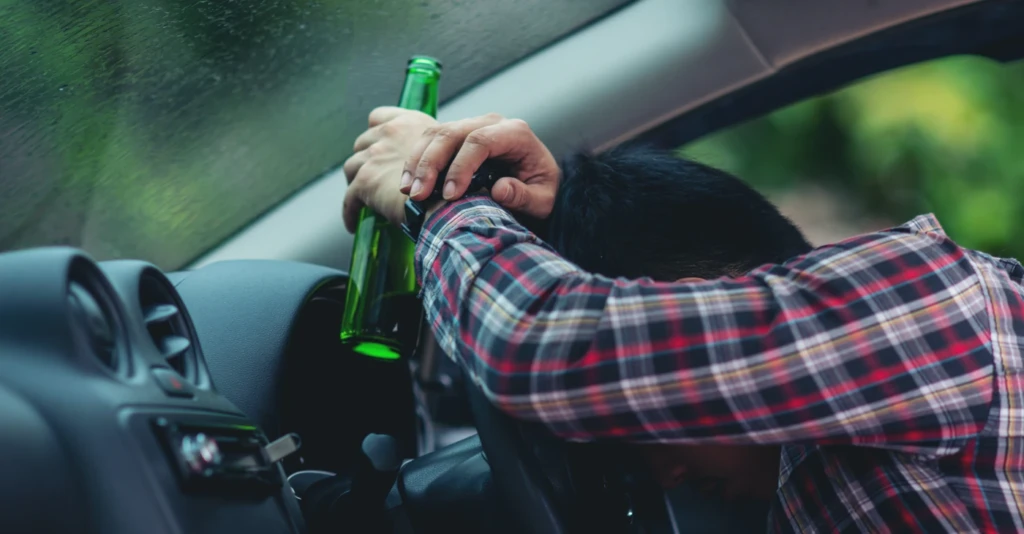
Many people ask, what is the legal limit for alcohol when driving, because exceeding the allowed blood alcohol concentration (BAC) level can result in DUI or DWI charges. In most states, the legal alcohol limit for drivers age 21 and older is a BAC of 0.08%, as established under 23 U.S.C. § 163, which encourages states to adopt a 0.08% BAC limit for impaired driving offenses.
Alcohol laws vary depending on the driver’s age, license type, and state regulations. Commercial drivers, underage drivers, and individuals with previous alcohol-related offenses may face stricter limits and penalties. If you’re facing DUI or DWI charges, a dui attorney houston can help you understand BAC limits, potential legal consequences, and how to comply with both state and federal impaired driving laws.
What Are the Different Legal Alcohol Limits by Driver Type?
The legal alcohol limit is not the same for every driver in the United States. Federal and state laws establish different blood alcohol concentration (BAC) limits based on a driver’s age, license type, and the type of vehicle they operate. Understanding these limits can help drivers avoid DUI or DWI charges.
Adult Drivers (21 and Older)
For most drivers who are 21 years of age or older, the legal alcohol limit is 0.08% BAC. Reaching or exceeding this limit may result in DUI or DWI charges, depending on the state’s laws. However, a driver may still be arrested if alcohol impairs their ability to safely operate a vehicle, even with a BAC below 0.08%.
Commercial Drivers
Commercial drivers are held to a stricter standard because they operate large vehicles that can pose greater risks on the road. Under 49 CFR § 383.51, the legal BAC limit for commercial drivers is 0.04% while operating a commercial motor vehicle. Violations may result in license disqualification and additional state or federal penalties.
Underage Drivers
Drivers under the age of 21 are generally subject to zero-tolerance laws, which prohibit driving with any detectable amount of alcohol in their system. While the exact BAC threshold varies by state, even a small amount of alcohol may lead to license suspension, fines, or other penalties. These laws are intended to discourage underage drinking and driving.
Drivers With Prior DUI Convictions
Some states impose additional restrictions on drivers with previous DUI or DWI convictions. Depending on state law, repeat offenders may be required to install an ignition interlock device, comply with probation conditions, or face enhanced penalties for future alcohol-related offenses. These measures are designed to reduce repeat impaired driving and improve public safety.
What Does a 0.08% BAC Mean?
A BAC of 0.08% means that there are 0.08 grams of alcohol per 100 milliliters of blood. At this level, many drivers experience reduced coordination, slower reaction time, impaired judgment, and difficulty controlling a vehicle.
The effects of alcohol vary based on several factors, including:
- Body Weight: People with a lower body weight may reach a higher BAC after consuming the same amount of alcohol as someone who weighs more. Body size can influence how alcohol is distributed throughout the body.
- Gender: Men and women may process alcohol differently due to differences in body composition and metabolism. As a result, the same amount of alcohol can produce different BAC levels.
- Number of Drinks Consumed: Drinking more alcoholic beverages generally increases BAC because additional alcohol enters the bloodstream. The higher the alcohol consumption, the greater the likelihood of reaching or exceeding the legal limit.
- How Quickly Alcohol Is Consumed: Consuming several drinks in a short period can raise BAC more rapidly than drinking the same amount over several hours. The body needs time to metabolize alcohol, so drinking quickly increases the risk of impairment.
- Whether Food Was Eaten Before Drinking: Eating before or while drinking can slow the absorption of alcohol into the bloodstream. Although food does not prevent intoxication, it may delay how quickly BAC rises.
- Individual Alcohol Tolerance: People may experience the effects of alcohol differently based on their physical condition and drinking history. However, a higher alcohol tolerance does not lower BAC or change the legal alcohol limit.
Because alcohol affects everyone differently, there is no guaranteed number of drinks that keeps someone below the legal limit.
How Many Drinks Can Put You Over the Legal Limit?
There is no exact number of drinks that will result in a specific BAC level because alcohol absorption varies between individuals. Factors such as body size, metabolism, and drinking speed can significantly affect BAC.
Generally, consuming multiple alcoholic drinks within a short period can increase BAC quickly. Even a person who believes they are under the legal limit may still be impaired and unable to safely drive. The safest option is to avoid driving after consuming alcohol and use an alternative transportation method.
Can You Get a DUI Under the Legal Alcohol Limit?
Yes. A driver can still receive a DUI or DWI charge even if their BAC is below 0.08%. In Texas, Texas Penal Code § 49.01 defines intoxication not only by having a BAC of 0.08% or higher, but also by the loss of normal mental or physical faculties due to alcohol or other substances. As a result, a person may face DUI or DWI charges even when their BAC is below the legal limit if the evidence shows they were impaired.
Examples of evidence used in below-limit DUI cases may include:
- Unsafe Driving Behavior: Swerving, speeding, failing to maintain a lane, running traffic signals, or other unsafe driving actions may indicate that alcohol impaired the driver’s ability to operate the vehicle safely.
- Failed Field Sobriety Tests: Law enforcement officers may administer standardized field sobriety tests to evaluate balance, coordination, eye movement, and the ability to follow instructions. Poor performance may be used as evidence of impairment.
- Slurred Speech: Difficulty speaking clearly or slurring words may suggest that alcohol has affected a person’s mental or physical abilities. Officers often document these observations during a traffic stop.
- Poor Coordination: Trouble walking, maintaining balance, or performing simple physical tasks may indicate impairment. These observations can support a DUI or DWI investigation even when BAC is below the legal limit.
- Statements Made During the Traffic Stop: Comments about drinking alcohol, where alcohol was consumed, or how much was consumed may be used as evidence during criminal proceedings. Drivers should understand that statements made to law enforcement may later be presented in court.
If you have been arrested for DUI or DWI, speaking with a dui lawyer near me as soon as possible can help you understand your legal rights and available options.
What Are the Penalties for Driving Over the Legal Alcohol Limit?
Driving over the legal alcohol limit can result in serious criminal and administrative penalties depending on the state, BAC level, prior offenses, and circumstances of the case. DUI or DWI consequences may include fines, license suspension, probation, mandatory programs, and possible jail time. In Texas, Texas Penal Code § 49.04 makes it an offense to operate a motor vehicle in a public place while intoxicated.
Fines and Court Costs
A DUI or DWI conviction may result in financial penalties, including fines, court fees, and additional legal expenses. Under Texas Penal Code § 49.04, a first-time DWI offense is generally classified as a Class B misdemeanor, which may carry a fine of up to $2,000. Additional fees and costs may apply depending on the case.
Driver’s License Suspension
A person convicted of driving over the legal alcohol limit may face the loss of driving privileges. Under Texas Transportation Code § 724.035, a driver’s license may be suspended after certain alcohol-related offenses or refusal to provide a breath or blood specimen. The length of suspension depends on factors such as prior violations and the circumstances of the arrest.
Jail Time and Criminal Penalties
DUI or DWI offenses can result in incarceration, especially when aggravating factors are present. Under Texas Penal Code § 49.04, a DWI conviction may lead to jail time, while repeat offenses or cases involving serious injuries may result in more severe felony penalties under Texas law.
Probation and Court Requirements
Courts may require individuals convicted of DUI or DWI to complete probation and follow specific conditions. These requirements may include alcohol education programs, community service, regular reporting, and compliance with other court orders designed to prevent future offenses.
Ignition Interlock Device Requirements
Some drivers convicted of alcohol-related offenses may be required to install an ignition interlock device on their vehicle. Under Texas Transportation Code § 521.246, courts may require certain offenders to use an ignition interlock device that prevents the vehicle from starting unless the driver provides an acceptable breath sample.
Can You Refuse a Breath or Blood Alcohol Test?
Drivers may have the ability to refuse certain chemical alcohol tests, but doing so can result in legal consequences under implied consent laws. In Texas, Texas Transportation Code § 724.011 states that drivers are considered to have consented to breath or blood testing following a lawful intoxication arrest, and refusing a test may lead to administrative penalties.
Consequences of refusing a test may include:
- Automatic License Suspension: Refusing a breath or blood test may result in the suspension of your driver’s license under your state’s implied consent laws. The length of the suspension depends on state law and whether you have prior alcohol-related offenses.
- Additional Penalties: Some states impose additional administrative or criminal consequences for refusing a chemical test. These may include fines, mandatory education programs, or enhanced penalties if you are later convicted of DUI or DWI.
- Evidence Used Against the Driver in Court: In many states, prosecutors may introduce evidence that you refused a chemical test during court proceedings. Depending on state law, the refusal may be considered when evaluating the facts of the case.
What Should You Do If You Are Charged With a DUI?
A DUI charge can affect your driving privileges, criminal record, and future opportunities. Taking the right steps after an arrest can help protect your legal rights and prepare you for the legal process.
- Avoid Discussing the Case: Do not provide unnecessary statements or answer detailed questions from law enforcement without legal advice. Anything you say during the investigation may be used as evidence against you in court.
- Contact a Defense Attorney: A DUI defense lawyer can review the traffic stop, BAC testing procedures, police reports, and other evidence to identify potential legal defenses. Early legal representation can help protect your rights throughout the case.
- Save Important Documents: Keep copies of citations, BAC test results, court notices, bond paperwork, and any other documents related to your arrest. These records can help your attorney evaluate the facts of your case.
- Attend Court Hearings: Appear at every scheduled court hearing and comply with all court orders. Missing a required appearance may result in additional charges, arrest warrants, or other legal consequences.
- Avoid Posting Online: Do not discuss your arrest or legal case on social media or other public platforms. Statements, photos, or comments shared online may be used as evidence during criminal proceedings.
Taking these steps as soon as possible can help protect your rights and improve your ability to prepare a strong legal defense.
How Can a DUI Defense Lawyer Help?
A criminal defense lawyer houston can examine the details of an alcohol-related arrest and develop a strategy based on the facts of the case.
- Review BAC Testing Procedures: An attorney can examine whether breath, blood, or urine alcohol testing was properly conducted according to legal procedures. They may review testing equipment records, officer compliance, and potential errors that could affect the accuracy of BAC results.
- Challenge Illegal Stops or Searches: A lawyer can evaluate whether law enforcement had a valid reason to stop your vehicle or conduct a search. If constitutional rights were violated during the traffic stop, certain evidence may be challenged in court.
- Question Evidence Accuracy: Defense attorneys can review whether field sobriety tests, BAC results, police reports, and other evidence were collected correctly. They can identify inconsistencies, improper procedures, or weaknesses in the prosecution’s case.
- Negotiate With Prosecutors: In some cases, an attorney may negotiate with prosecutors to seek reduced charges, alternative sentencing options, or other favorable outcomes. The available options depend on the facts of the case and the defendant’s history.
- Protect Your Future: A DUI conviction can affect employment, insurance costs, professional licenses, and personal opportunities. Legal representation can help reduce potential consequences and protect your long-term interests.
Talk to a DUI Defense Lawyer
A DUI charge can result in serious legal consequences, including fines, license suspension, and a criminal record. Understanding your rights and legal options can help you make informed decisions when facing allegations related to impaired driving.
At Juan L. Guerra, Jr. & Associates, PLLC, we help individuals facing DUI and other criminal charges throughout Texas. Our legal team reviews the details of each case, explains applicable laws, and works to protect the rights of clients navigating complex criminal defense matters.