

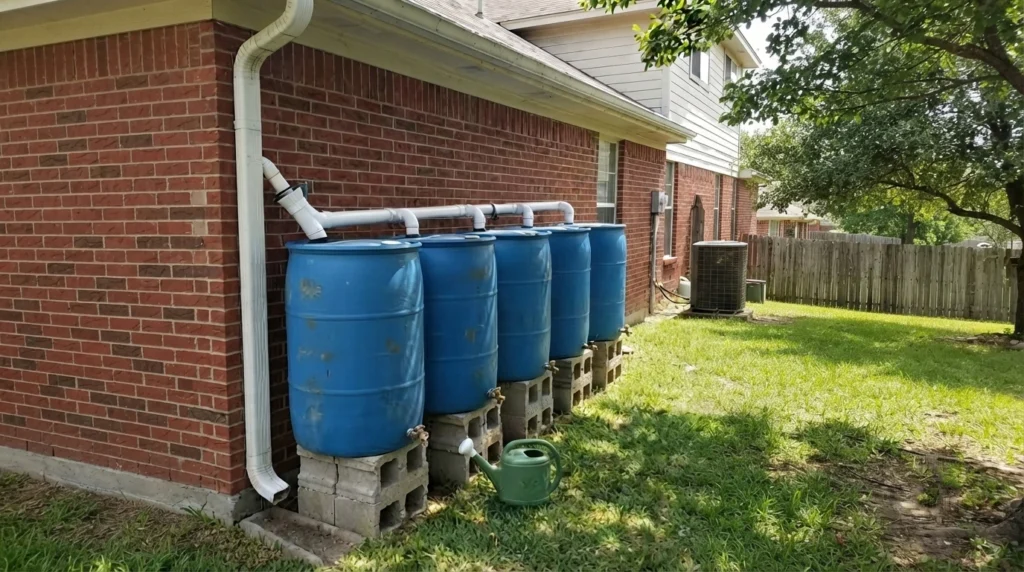
No. Collecting rainwater is legal in most parts of the United States. Many states encourage rainwater harvesting because it promotes water conservation and reduces demand on public water systems. However, some states regulate collection methods, storage capacity, or permitted uses.
State laws differ significantly. While many states allow rainwater collection without restrictions, others require permits, impose storage limitations, or regulate how collected water may be used. Before installing a rainwater harvesting system, it is important to review your state’s specific requirements, and if you’re facing an unrelated legal matter, such as theft charges, a houston theft attorney can help protect your rights.
Why Do Some States Regulate Rainwater Collection?
Although rain falls naturally, some states regulate rainwater collection because water rights are governed by state law. In certain western states, rainwater may be considered part of streams, rivers, or groundwater systems that are subject to water rights regulations.
Common reasons states regulate rainwater collection include:
- Protecting Existing Water Rights: Some states recognize legal water rights that determine who may use natural water resources. Regulations help ensure rainwater collection does not interfere with downstream water users.
- Managing Water Resources: States experiencing drought or limited water supplies may regulate rainwater harvesting to balance conservation efforts with long-term water management goals.
- Protecting Public Health: Rules may require proper storage systems to reduce contamination, mosquito breeding, and other public health concerns associated with standing water.
- Encouraging Safe Collection Systems: Building codes and environmental regulations may establish standards for gutters, storage tanks, overflow systems, and water quality to promote safe rainwater harvesting.
Which States Allow Rainwater Collection?
Most states allow rainwater collection, but the level of regulation varies. Some states encourage rainwater harvesting through tax incentives or rebates, while others impose permit requirements or collection limits. Before installing a rainwater collection system, homeowners should review the laws in their state.
States That Generally Allow Rainwater Collection
Most states allow residents to collect rainwater for residential use with few or no restrictions. States such as Texas, Florida, Georgia, North Carolina, South Carolina, Alabama, Louisiana, Mississippi, Tennessee, Kentucky, Missouri, Arkansas, Oklahoma, Kansas, Nebraska, Iowa, Illinois, Indiana, Ohio, Michigan, Wisconsin, Minnesota, Pennsylvania, New York, New Jersey, Connecticut, Rhode Island, Massachusetts, Vermont, New Hampshire, and Maine generally permit rainwater harvesting, subject to local building codes and health regulations.
States With Rainwater Collection Regulations
Some states allow rainwater harvesting but regulate how it may be collected or used. For example, Colorado, Utah, Nevada, Oregon, Washington, Arizona, California, and Virginia have laws addressing permits, storage limits, approved collection methods, or specific uses for harvested rainwater. The requirements differ by state and may change over time.
Understanding your state’s rainwater collection rules can help ensure your system is used legally and safely.
Do You Need a Permit to Collect Rainwater?
The answer depends on your state’s laws. Many states allow homeowners to collect rainwater without obtaining a permit, particularly for small residential systems used for irrigation or landscaping. Larger collection systems or commercial projects may require permits, inspections, or compliance with local building codes.
Before installing a rainwater harvesting system, property owners should verify whether state or local regulations apply to avoid potential compliance issues, and if you’re facing a separate legal matter, a theft lawyer near me can help you understand your options.
What Can Collected Rainwater Be Used For?
The permitted use of collected rainwater depends on state and local regulations. In many areas, rainwater may be used for non-potable purposes without significant restrictions.
Common approved uses include:
- Landscape Irrigation: Collected rainwater is commonly used to water lawns, gardens, trees, and other outdoor plants, helping reduce dependence on municipal water supplies.
- Gardening and Agriculture: Homeowners and farmers often use harvested rainwater for crops, flower beds, greenhouses, and other agricultural purposes where permitted.
- Outdoor Cleaning: Rainwater may be used for washing vehicles, outdoor furniture, sidewalks, driveways, and exterior surfaces when allowed by local regulations.
- Livestock Watering: Some states permit harvested rainwater to be used for livestock and agricultural animals, subject to applicable health and safety requirements.
- Household Non-Potable Uses: Certain jurisdictions allow rainwater to be used for toilet flushing, laundry, or similar non-drinking purposes when collection systems comply with plumbing and building codes.
Can You Be Fined for Collecting Rainwater?
In some situations, yes. While most states allow rainwater harvesting, violating state regulations, permit requirements, or local ordinances may result in fines or other enforcement actions. Whether penalties apply depends on the laws in your state and the specific circumstances of the violation.
Violating State Water Laws
Some western states regulate rainwater collection through state water rights laws that determine who may collect and use natural water resources. For example, Colorado Revised Statutes § 37-96.5-103 regulates residential rain barrel collection, while Utah Code § 73-3-1.5 governs rainwater harvesting under specific conditions. Failing to comply with applicable permit or registration requirements may result in administrative enforcement or other legal consequences depending on state law. Because these rules vary by state, property owners should review local requirements before installing a collection system.
Building Code Violations
Rainwater harvesting systems may also be subject to state and local building, plumbing, and environmental regulations. For example, the International Plumbing Code (IPC) and local building codes adopted by many states regulate how rainwater collection systems are installed and maintained. Installing tanks, piping, or overflow systems that fail to meet applicable code requirements may result in inspections, required corrections, or local penalties. Compliance with building regulations helps ensure both safety and legal operation.
Improper Water Use
Some states limit how harvested rainwater may be used, particularly for potable drinking water or indoor household use without approved treatment systems. For example, Texas Administrative Code, Title 30, § 290.39 establishes standards for rainwater harvesting systems connected to public water supplies. Using collected rainwater in violation of applicable health or environmental regulations may result in enforcement actions depending on state or local law. Property owners should verify permitted uses before relying on harvested rainwater for household purposes.
Can Rainwater Collection Laws Be Challenged?
Yes, in some cases. Property owners or organizations may challenge state or local rainwater regulations if they believe a law violates constitutional protections or exceeds the government’s legal authority. Courts review these challenges based on the applicable statutes, regulations, and legal arguments.
Successful challenges are uncommon, and most disputes are resolved by interpreting state water rights laws rather than eliminating rainwater collection regulations altogether.
Understanding your legal rights can make a difference if you are facing a dispute over rainwater collection laws or regulatory enforcement.
What Should You Know Before Collecting Rainwater?
Before installing a rainwater harvesting system, it is important to understand your state’s laws, local ordinances, and any applicable building or environmental regulations. Although rainwater collection is legal in most states, the rules governing storage, permits, and water usage can differ significantly.
- Research State Laws: Review your state’s rainwater harvesting laws before installing a collection system. Some states encourage collection, while others impose specific restrictions or permit requirements.
- Check Local Regulations: Counties and cities may adopt additional plumbing, zoning, or building regulations that apply to rainwater harvesting systems beyond state law.
- Use Approved Equipment: Install gutters, storage tanks, filters, and overflow systems that comply with applicable building and safety standards to reduce legal and health risks.
- Understand Water Use Restrictions: Verify whether your state limits how harvested rainwater may be used, especially for drinking water or indoor household purposes.
- Maintain Your Collection System: Regular maintenance helps improve water quality, prevent contamination, and ensure the system continues to comply with health and safety requirements.
Understanding the rules before installing a rainwater harvesting system can help you avoid compliance issues and protect your investment.
How Can a Lawyer Help With Rainwater Collection Disputes?
A lawyer can help property owners understand state water laws, local regulations, and legal issues involving rainwater harvesting systems. If a dispute arises over permits, water rights, or regulatory compliance, legal guidance may help protect your rights.
- Review Applicable Laws: An attorney can explain how your state’s water rights laws and local ordinances apply to your rainwater collection system.
- Resolve Regulatory Disputes: A lawyer can communicate with government agencies regarding permit issues, enforcement actions, or alleged regulatory violations.
- Challenge Improper Enforcement: If you believe a regulation has been incorrectly applied, legal counsel may evaluate available defenses or appeal options.
- Protect Property Rights: An attorney can advise property owners involved in disputes concerning water rights, easements, or neighboring property claims.
- Provide Legal Guidance: Every rainwater collection issue is unique. A lawyer can help you understand your legal options based on your state’s laws and the facts of your situation.
If questions about rainwater collection laws affect your property or legal rights, or if you’re facing a separate criminal matter, a Houston criminal defense attorney can help you evaluate your options.
Talk to a Property Rights Lawyer
Rainwater collection is legal in most states, but the rules governing permits, storage, and water use vary across the country. Understanding your state’s laws before installing a rainwater harvesting system can help you avoid legal issues and remain compliant with applicable regulations.
If you are involved in a dispute concerning rainwater collection, water rights, property regulations, or related legal matters, Juan L. Guerra, Jr. & Associates, PLLC can review your situation and help protect your legal rights.