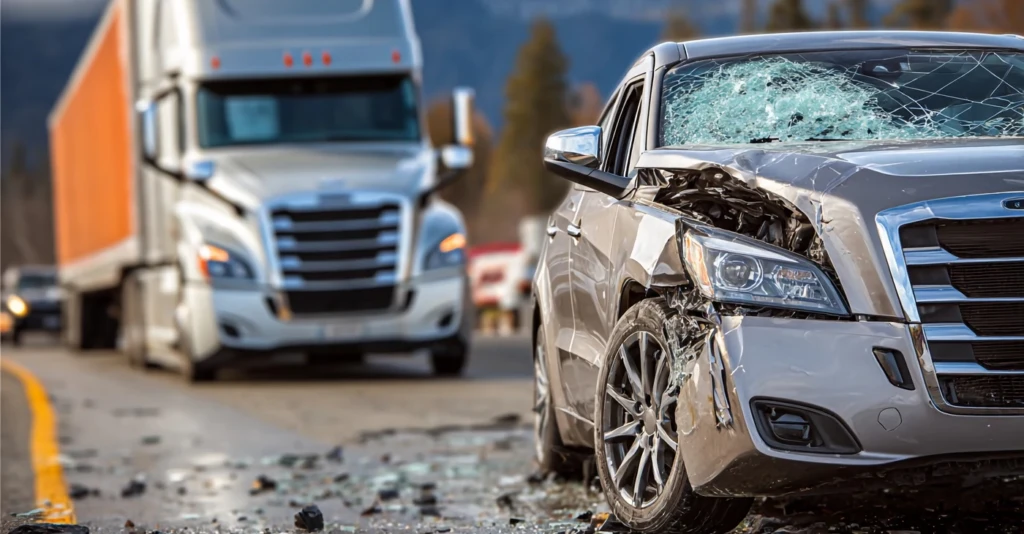


Getting charged with reckless driving in Texas raises an important question: Is reckless driving a felony? Under Texas Transportation Code §545.401, reckless driving is a misdemeanor. However, a driving incident can involve additional conduct that may result in separate and more serious criminal charges.
The consequences depend on what happened, the conduct involved, and the specific offense prosecutors allege. If you are facing a reckless driving charge in Houston, speaking with a Texas criminal defense attorney can help you understand the allegations, potential penalties, and legal options available in your case. If the incident also involves a serious collision, a Houston car accident attorney may help you understand your legal options.
What Is Reckless Driving in Texas?
Texas Transportation Code Section 545.401 defines reckless driving as operating a vehicle with “wilful or wanton disregard for the safety of persons or property.” The law applies to driving on a highway or other public place, as well as certain private access ways and parking areas.
Reckless driving can involve conduct that creates a significant safety risk to other people or property. However, whether particular driving behavior meets the legal definition depends on the facts and circumstances of the case.
Misdemeanor vs. Felony Reckless Driving
Texas Transportation Code §545.401 states that a person commits reckless driving when they drive a vehicle in willful or wanton disregard for the safety of persons or property. The statute classifies this offense as a misdemeanor.
A conviction for reckless driving under this statute can result in a fine of up to $200, county jail confinement for up to 30 days, or both.
However, the fact that reckless driving is a misdemeanor does not mean every serious driving incident will involve only a misdemeanor charge. If the conduct also meets the elements of another Texas offense, prosecutors may pursue that separate charge.
When Can a Reckless Driving Case Become More Serious?
Certain circumstances surrounding a reckless driving incident may lead to additional criminal allegations. The separate offense, rather than the reckless driving charge itself, determines whether felony exposure exists.
1. Causing a Death
If reckless conduct causes another person’s death, prosecutors may consider a manslaughter charge. Under Texas Penal Code §19.04, manslaughter involves recklessly causing the death of an individual and is generally classified as a second-degree felony.
This is an important distinction: the felony charge would be manslaughter based on the alleged conduct and resulting death, not felony reckless driving under Transportation Code §545.401.
2. Creating a Serious Risk of Injury
Texas also has a separate offense called deadly conduct. Under Texas Penal Code §22.05(a), a person commits deadly conduct if they recklessly engage in conduct that places another person in imminent danger of serious bodily injury. That subsection is classified as a Class A misdemeanor.
Whether a particular driving incident supports a separate charge depends on the facts and the elements prosecutors must establish.
3. Driving While Intoxicated
Reckless driving and driving while intoxicated are separate offenses. If an incident involves allegations of intoxication, a person may face a DWI charge in addition to or instead of other traffic-related allegations.
The potential consequences of a DWI charge depend on factors such as prior convictions, the circumstances of the incident, and whether another person was seriously injured or killed.
4. Serious Injuries or Other Criminal Conduct
A traffic incident involving serious injuries, death, intoxication, or other alleged criminal conduct can create a more complicated legal case. Additional charges may have different elements and punishment ranges from the underlying reckless driving offense.
If another person is injured in a crash caused by alleged reckless driving, the incident may also result in a separate personal injury claim. Someone injured in such a collision may want to speak with a car accident attorney near me to understand their legal options.
For this reason, it is important to look at the exact charge listed in the citation, complaint, or other court paperwork rather than assuming that every dangerous-driving case is simply a reckless driving case.
Read Related: Motor Vehicle Accident Compensation Laws in Texas
What Are the Penalties for Reckless Driving in Texas?
Texas Transportation Code §545.401 provides that reckless driving is punishable by:
- A fine of up to $200.
- County jail confinement for up to 30 days.
- Both the fine and confinement.
These penalties apply to the reckless driving offense under Section 545.401. If prosecutors allege another offense arising from the same incident, that separate charge may carry different penalties.
A conviction can also create practical consequences involving your driving record, insurance, employment, or other personal circumstances. The effect can depend on the details of the case and your individual record.
What Evidence Can Matter in a Reckless Driving Case?
Reckless driving cases can depend heavily on what happened before, during, and after the alleged incident. Evidence may include:
- Police reports
- Dashcam or body-camera footage
- Traffic or surveillance video
- Witness statements
- Photographs of the scene
- Accident reports
- Vehicle damage
- Statements attributed to the driver
- Road, weather, and traffic conditions
The circumstances surrounding the driving behavior may be important when determining whether the conduct meets the statutory definition of reckless driving.
What Should You Do After a Reckless Driving Charge?
If you have received a reckless driving citation or have been arrested, take the charge seriously and pay attention to the next steps in your case.
Consider taking the following actions:
- Review your paperwork: Identify the exact offense and statute listed.
- Preserve evidence: Keep photographs, videos, messages, and other information related to the incident.
- Record what happened: Write down relevant details while they are still fresh in your memory.
- Avoid discussing the case publicly: Statements on social media or elsewhere may create additional complications.
- Keep track of court dates: Missing a required appearance can create additional legal problems.
- Speak with an attorney: A lawyer can review the allegations and explain the legal options that may apply.
How Can a Texas Criminal Defense Lawyer Help?
A criminal defense attorney Houston can review the circumstances of the traffic stop or incident and determine what evidence may be relevant to the charge. Depending on the facts, an attorney may examine:
The Alleged Driving Conduct
The attorney can review what the officer claims happened and whether the alleged conduct satisfies the legal definition of reckless driving under Texas law.
The Available Evidence
Police reports, video recordings, witness statements, photographs, and other evidence may help establish what actually occurred.
The Circumstances of the Stop
The circumstances leading to the traffic stop or investigation may also be relevant. An attorney can review the available information and determine whether there are legal issues that should be addressed.
Additional Charges
If prosecutors have filed multiple charges, an attorney can explain how those offenses differ from the reckless driving allegation and what penalties may apply to each.
Can a Reckless Driving Charge Be Reduced or Dismissed?
The possible resolution of a reckless driving case depends on the facts, evidence, applicable law, and circumstances of the individual case. Depending on the situation, a defense attorney may evaluate whether the charge can be challenged, negotiated, or otherwise resolved.
There is no single outcome that applies to every reckless driving case. The available options should be evaluated after reviewing the specific allegations and evidence.
Is Reckless Driving Different From Other Traffic Offenses?
Yes. Texas has separate laws addressing different types of driving conduct. Reckless driving under Section 545.401 is distinct from offenses such as driving while intoxicated and certain racing-related offenses.
The distinction matters because each offense has its own legal requirements and potential consequences. A person facing a traffic-related criminal charge should therefore review the exact statute listed in their paperwork.
Get Legal Help for a Reckless Driving Charge in Texas
A reckless driving charge can create uncertainty about your driving record, finances, and future. While reckless driving under Texas Transportation Code §545.401 is a misdemeanor, the circumstances surrounding an incident may lead to additional criminal allegations or other legal consequences.
If you have been cited, arrested, or charged following a driving incident, understanding the exact allegations and evidence involved is important. At Juan L. Guerra, Jr. & Associates, PLLC, the criminal defense team provides legal guidance based on the specific circumstances of each case and helps clients understand their rights and available legal options.
If you are facing a reckless driving charge in Houston or elsewhere in Texas, contact Juan L. Guerra, Jr. & Associates to discuss your case and learn how the firm can assist you.