

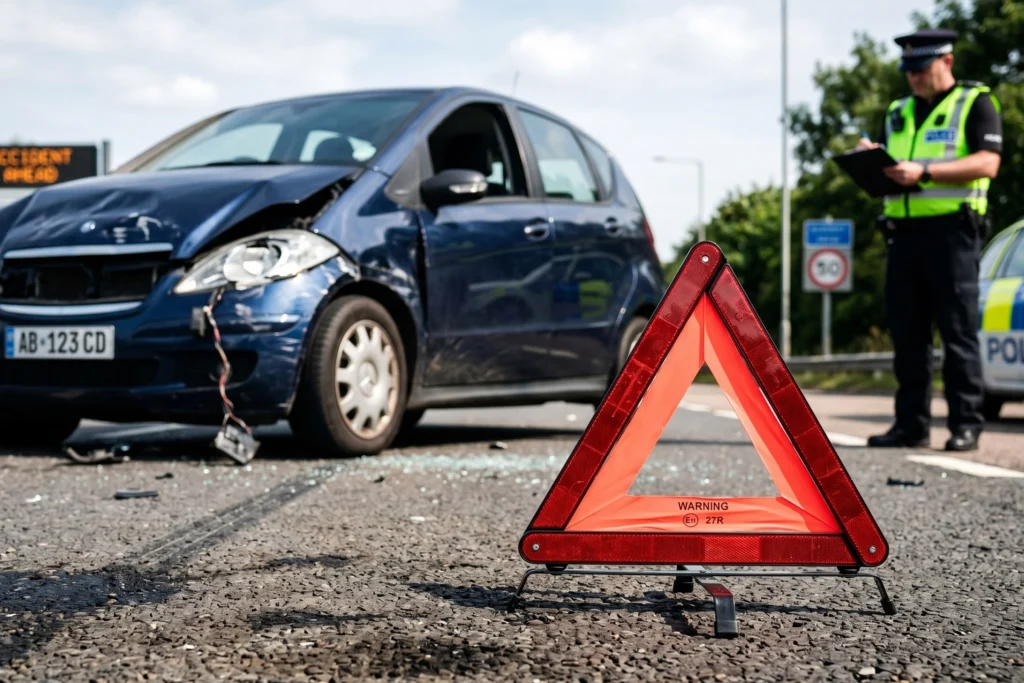
Texas motor vehicle accident compensation in Texas is based on state negligence and comparative fault laws that determine how liability is shared between parties. These laws decide whether an injured person can recover damages and how much compensation they may receive.
Victims may recover compensation for medical expenses, lost wages, and other damages under the Texas Civil Practice & Remedies Code, including fault and filing deadline rules. The amount is reduced if the injured person is partially at fault. Working with a knowledgeable Houston truck accident lawyer can help ensure all responsible parties are identified and your claim is properly handled.
What Is Motor Vehicle Accident Compensation?
Motor vehicle accident compensation refers to financial recovery available to individuals who suffer injuries or losses because of another party’s negligence. The purpose of compensation is to help restore accident victims to the position they were in before the crash as much as possible. If you need assistance pursuing fair compensation, an experienced truck accident attorney near me can help evaluate your claim, identify liable parties, and protect your legal rights.
Compensation Can Include Economic and Non-Economic Damages
Depending on the circumstances, compensation may cover:
- Medical expenses: Medical expenses include all costs related to treating accident injuries such as emergency care, ambulance services, hospital stays, surgeries, doctor visits, rehabilitation, and prescription medications. It can also include future medical treatment if long-term care or therapy is needed for full recovery.
- Lost wages: Lost wages refer to the income you are unable to earn because your injuries prevent you from working during recovery. This includes salary, hourly wages, bonuses, and other job-related earnings missed due to the accident.
- Reduced earning capacity: Reduced earning capacity applies when your injuries affect your ability to earn the same income in the future. It considers long-term limitations, career changes, or inability to return to the same type of work.
- Property damage: Property damage covers the cost of repairing or replacing your vehicle and any other personal property damaged in the accident. This is usually based on repair estimates or the market value of the vehicle if it is totaled.
- Pain and suffering: Pain and suffering compensation accounts for the physical pain and discomfort caused by accident injuries. It also includes the impact of ongoing pain on your daily life and overall well-being.
- Mental anguish: Mental anguish refers to emotional and psychological effects such as anxiety, depression, fear, or trauma after the accident. It considers how the incident affects your mental health and emotional stability.
- Loss of enjoyment of life: Loss of enjoyment of life compensates for the reduced ability to enjoy normal activities you participated in before the accident. This may include hobbies, social life, exercise, or family activities affected by injuries.
Who Can Recover Compensation After a Texas Car Accident?
In Texas, individuals who suffer injuries or losses due to another driver’s negligence may be eligible to recover compensation. Eligibility depends on fault, evidence, and the extent of damages caused by the accident.
- Injured drivers: Injured drivers may recover compensation when another party’s negligence causes the crash, including medical expenses, lost wages, and other related damages, provided fault can be proven under Texas law.
- Passengers: Passengers injured in a car accident can file a claim regardless of which driver was at fault, and they may seek compensation from any liable party involved in the crash.
- Pedestrians: Pedestrians struck by a vehicle may recover damages if the driver acted negligently or violated traffic laws, covering medical treatment, pain and suffering, and long-term recovery needs.
- Cyclists: Cyclists injured in collisions with motor vehicles can pursue compensation for injuries and property damage, with liability determined based on driver negligence and applicable traffic regulations.
- Family members in wrongful death cases: Surviving family members may file a wrongful death claim when a loved one dies in a car accident, seeking compensation for funeral costs, lost financial support, and emotional suffering.
Texas law allows eligible accident victims and certain surviving family members to seek compensation when another party’s negligence causes a car crash.
Motor Vehicle Accident Compensation Laws in Texas
Motor vehicle accident compensation laws in Texas are based on negligence and comparative fault principles that determine liability after a crash. These laws control how damages are awarded and how compensation is reduced based on each party’s responsibility.
Texas Negligence Law (Texas Civil Practice & Remedies Code § 33.001 & Common Law Negligence)
Texas negligence law allows an injured person to recover compensation if another party’s careless or unlawful actions caused the accident. To prove negligence, the injured party must show duty, breach, causation, and damages under Texas common law principles. This legal framework forms the basis for most motor vehicle accident claims in the state. Compensation can include medical bills, lost income, and other accident-related losses.
Comparative Fault Rule (Texas Civil Practice & Remedies Code § 33.001 – Proportionate Responsibility)
Texas follows a modified comparative fault system where compensation is reduced based on each party’s percentage of fault in the accident. If a person is found 51% or more responsible, they cannot recover damages under Texas law. If they are 50% or less at fault, they can still recover compensation, but it is reduced proportionally. This rule is one of the most important factors in determining settlement outcomes.
Statute of Limitations for Car Accident Claims (Texas Civil Practice & Remedies Code § 16.003)
Texas law generally provides a two-year deadline to file a personal injury lawsuit after a motor vehicle accident. If a claim is not filed within this period, the right to seek compensation is typically lost. This deadline applies to most injury and property damage cases arising from car accidents. Acting within this timeframe is essential to preserve legal rights.
Types of Recoverable Damages (Texas Personal Injury Law – Common Law & Statutory Framework)
Texas law allows accident victims to recover both economic and non-economic damages depending on the impact of the crash. Economic damages include medical expenses, lost wages, property damage, and future medical costs, while non-economic damages include pain and suffering and emotional distress. The final compensation amount depends on evidence, liability, and the severity of injuries. Courts and insurers evaluate all losses before determining settlement value.
How Is Fault Determined in Texas?
Determining liability is one of the most important aspects of a motor vehicle accident claim in Texas because it directly impacts compensation and responsibility. Insurance companies and courts rely on different forms of evidence to decide how the accident happened and who is at fault.
- Police reports: Police reports include the responding officer’s observations, statements from those involved, and an initial assessment of how the accident occurred. They are commonly used as key evidence by insurance companies and attorneys when evaluating faults.
- Witness statements: Witness statements provide independent accounts from people who saw the accident happen, helping to clarify events and confirm or dispute the drivers’ versions of what occurred.
- Photographs: Photographs from the accident scene show vehicle positions, road conditions, traffic signals, and damage details, helping reconstruct how the collision took place.
- Surveillance footage: Surveillance or dashcam footage offers real-time visual evidence of the crash, often providing a clear and reliable view of how the accident occurred.
- Vehicle damage analysis: The pattern and severity of vehicle damage help experts understand the direction and force of impact, which can indicate which driver was likely at fault.
- Accident reconstruction reports: Accident reconstruction experts use physical evidence, measurements, and scientific methods to recreate the crash and explain how it likely happened.
- Electronic vehicle data: Electronic data from vehicles, such as speed, braking, and steering inputs, can provide precise information about driver actions immediately before the collision.
Fault is determined by reviewing evidence that shows how the accident occurred and which party was legally responsible for causing the crash.
Compensation in Truck Accident Cases
Commercial truck accidents often result in severe injuries and significant financial losses due to the size and impact of large vehicles. Compensation in these cases is designed to cover both economic and non-economic damages suffered by the victim.
Additional Liable Parties
Truck accident claims may involve multiple responsible parties depending on how the crash occurred and who contributed to the negligence. Each party may share legal responsibility if their actions or failures helped cause the accident.
- Truck drivers: Truck drivers can be held liable if they were speeding, distracted, fatigued, or driving under the influence. Their direct actions behind the wheel are often the primary factor in determining fault.
- Trucking companies: Trucking companies may be responsible if they failed to properly train drivers, enforce safety rules, or pushed drivers to violate hours-of-service limits. They can also be liable under employer responsibility laws.
- Maintenance providers: Maintenance companies can be held liable if poor repairs or missed inspections led to mechanical failure. Faulty brakes, tire issues, or engine problems often fall under their responsibility.
- Cargo loading companies: Cargo loaders may be responsible if improper loading caused the truck to become unbalanced or unstable. Overloaded or unsecured cargo can directly contribute to serious accidents.
- Vehicle manufacturers: Manufacturers can be liable if a defective part or design flaw caused the truck to malfunction. This includes issues with brakes, steering systems, or other critical components.
Working with an experienced personal injury lawyer Houston helps ensure you pursue compensation from all parties responsible for your injuries and losses.
Compensation in Motorcycle Accident Cases
Motorcycle accidents often lead to serious or life-changing injuries because riders have little physical protection compared to occupants of passenger vehicles. Compensation helps cover both immediate medical costs and long-term recovery needs resulting from these injuries.
- Emergency medical care: Victims may recover costs for ambulance services, emergency room treatment, and initial hospitalization after the crash. These expenses are typically the first and most urgent financial burden following a motorcycle accident.
- Long-term rehabilitation: Compensation can include physical therapy, rehabilitation programs, and ongoing medical treatment needed for recovery. These costs are often required for serious injuries such as fractures or spinal damage.
- Lost earning capacity: If injuries prevent the victim from returning to their previous job or reduce future income potential, compensation may be awarded. This helps cover long-term financial impact caused by disability or reduced work ability.
- Permanent disability damages: Victims with lasting impairments may receive compensation for permanent physical or functional limitations. These damages reflect the lifelong impact of serious motorcycle injuries.
- Pain and suffering: Non-economic damages include physical pain, emotional distress, and reduced quality of life after the accident. These damages account for the personal and psychological impact of the injuries.
Wrongful Death Compensation in Texas
When a motor vehicle accident results in death, surviving family members may have the right to pursue compensation. Texas wrongful death claims are governed by Chapter 71 of the Texas Civil Practice and Remedies Code.
Potential Wrongful Death Damages
Wrongful death compensation in Texas is intended to help surviving family members recover both financial and emotional losses caused by the death of a loved one. These damages reflect the long-term impact of losing support, care, and future financial stability.
- Funeral expenses: Compensation may include the cost of burial services, cremation, and other funeral arrangements required after the death. These expenses help ease the immediate financial burden placed on the family during a difficult time.
- Loss of financial support: Families may recover the income and financial contributions the deceased would have provided over their lifetime. This includes wages, benefits, and other forms of financial support that would have helped maintain household stability.
- Loss of companionship: This covers the emotional loss of love, care, guidance, and companionship that family members experience after the death. It reflects the personal and relational impact of losing a loved one.
- Mental anguish: Surviving family members may be compensated for emotional suffering, grief, and psychological distress caused by the sudden loss. These damages recognize the deep emotional impact of wrongful death.
- Loss of inheritance: This includes the value of assets or savings the deceased likely would have accumulated and passed on to family members. It addresses the long-term financial loss suffered by heirs.
How Long Do You Have to File a Claim?
In Texas, most motor vehicle accident victims generally have a limited time to file a personal injury claim in court. According to Texas Civil Practice & Remedies Code 16.003, the standard deadline is two years from the date of the accident, and missing this deadline usually means losing the right to seek compensation. This time limit applies to most injury and property damage claims arising from car accidents. Certain exceptions may apply in rare situations, but they are strictly interpreted by courts. Because of this deadline, it is important to act quickly to protect legal rights and preserve evidence.
Common Mistakes That Reduce Compensation
Many accident victims unintentionally weaken their personal injury claims by making avoidable mistakes after a crash. These errors can reduce the value of compensation or negatively impact the outcome of the case.
- Delaying medical treatment: Delaying medical treatment can make it appear that your injuries are not serious or unrelated to the accident, and insurance companies may use this gap in care to dispute or reduce your claim.
- Failing to follow medical advice: Failing to follow your doctor’s instructions, skipping appointments, or stopping treatment early can harm your medical records and give insurers an argument that your injuries are not severe.
- Giving recorded statements without legal guidance: Giving a recorded statement to insurance companies without legal advice can be risky because your words may be taken out of context and used to reduce your compensation.
- Posting about the accident on social media: Posting about your accident or daily activities on social media can be used against you, even if the posts seem harmless, as insurers may try to challenge the seriousness of your injuries.
- Accepting a quick settlement offer: Accepting a quick settlement offer often results in lower compensation than what your case is actually worth, as early offers are usually designed to minimize payouts.
- Waiting too long to consult an attorney: Waiting too long to consult a lawyer can lead to lost evidence, missed deadlines, and weaker negotiation power in your personal injury claim.
How a Houston Car Accident Lawyer Can Help
Motor vehicle accident claims often involve complex legal and insurance issues that can be difficult to handle without professional guidance. A lawyer helps protect your rights while ensuring your claim is properly evaluated and pursued.
- Investigating the accident: A lawyer reviews police reports, witness statements, and crash details to understand how the accident occurred. This helps establish the foundation of your case.
- Gathering evidence: An attorney collects important evidence such as photos, medical records, and vehicle damage reports. This strengthens your claim and supports liability arguments.
- Identifying liable parties: A lawyer determines who is legally responsible for the accident, which may include multiple drivers or companies. This ensures all responsible parties are held accountable.
- Calculating damages: An attorney evaluates medical expenses, lost income, property damage, and future costs. This helps determine the full value of your compensation claim.
- Negotiating with insurance companies: A lawyer communicates with insurers to prevent low settlement offers and unfair tactics. This increases the chances of a fair recovery.
- Filing lawsuits when necessary: If negotiations fail, an attorney can file a lawsuit to pursue compensation through the court system. This keeps pressure on the opposing side to settle fairly.
- Representing clients at trial: A lawyer presents evidence and arguments in court if the case goes to trial. This ensures your rights are fully protected throughout the legal process.
A skilled motor vehicle accident attorney Houston can manage negotiations, challenge insurance tactics, and fight for a fair outcome for your case.
Get Help Understanding Texas Accident Compensation Laws
Motor vehicle accident compensation laws in Texas can affect every aspect of an injury claim, from determining fault to calculating damages and meeting important legal deadlines. Understanding your rights is an important step toward protecting your financial future after a serious accident.
At Juan L. Guerra, Jr. & Associates, PLLC, we help accident victims throughout Houston pursue compensation for medical expenses, lost wages, property damage, pain and suffering, and other losses. Our team is committed to providing personalized representation and fighting for the results our clients deserve.
If you or a loved one has been injured in a motor vehicle accident, contact us today for a free and confidential consultation.