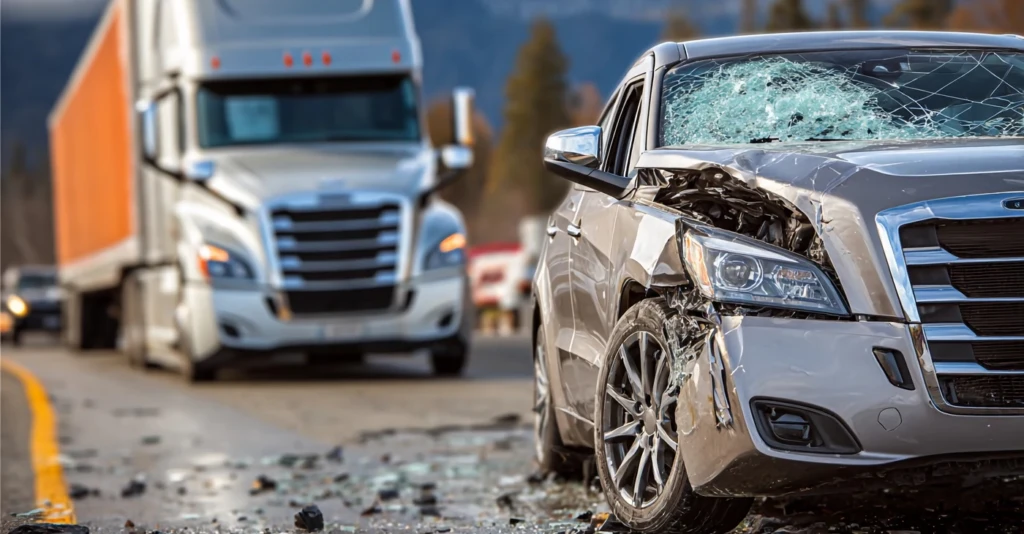

In 2025, distracted driving was responsible for 86,384 crashes on Texas roads, including 299 deaths and more than 2,437 serious injuries, according to the Texas Department of Transportation (TxDOT). Those figures cover distracted driving broadly, not texting alone, but texting is a major form of cell-phone distraction. If you are researching legal guidance after a crash, texting while driving statistics show the scale of the problem, while the facts of your collision determine whether another driver may be legally responsible in Houston and elsewhere across Texas generally, too.
Texas law separately prohibits reading, writing, or sending electronic messages while operating a motor vehicle unless the vehicle is stopped. Tex. Transp. Code §545.4251. If you are considering a Houston distracted driving accident lawyer after a crash, remember that proving a traffic violation is only part of the analysis. Evidence must connect the driver’s conduct to the crash and your injuries. A police report, witness statements, phone evidence, photographs, medical records, and other case-specific evidence may all matter. Those details may matter in a case or disputed insurance claim.
What Do Texting While Driving Statistics Show in Texas?
TxDOT’s 2025 data shows the continuing impact of distracted driving across Texas: 86,384 crashes, more than 2,437 serious injuries, and 299 deaths. The agency reports that the number of distracted-driving crashes was highest among young drivers. Because these statewide figures cover many distractions, not just texting, they should not be presented as a count of texting crashes specifically.
TxDOT’s 2024 data recorded 91,043 distracted-driving crashes, 373 deaths, and more than 2,587 serious injuries. TxDOT explains that its crash information comes from reportable crash data collected through the Texas Peace Officer’s Crash Report system. These numbers provide context, but crash statistics cannot determine fault in an individual Houston collision. Nationally, the National Highway Traffic Safety Administration reported 3,208 deaths and more than 315,000 injuries in crashes involving distracted drivers in 2024. NHTSA describes texting as especially dangerous because it combines visual, manual, and cognitive distraction.
How Does Texting Affect Driving?
Texting can interfere with driving in three connected ways:
Visual, Manual, and Cognitive Distraction
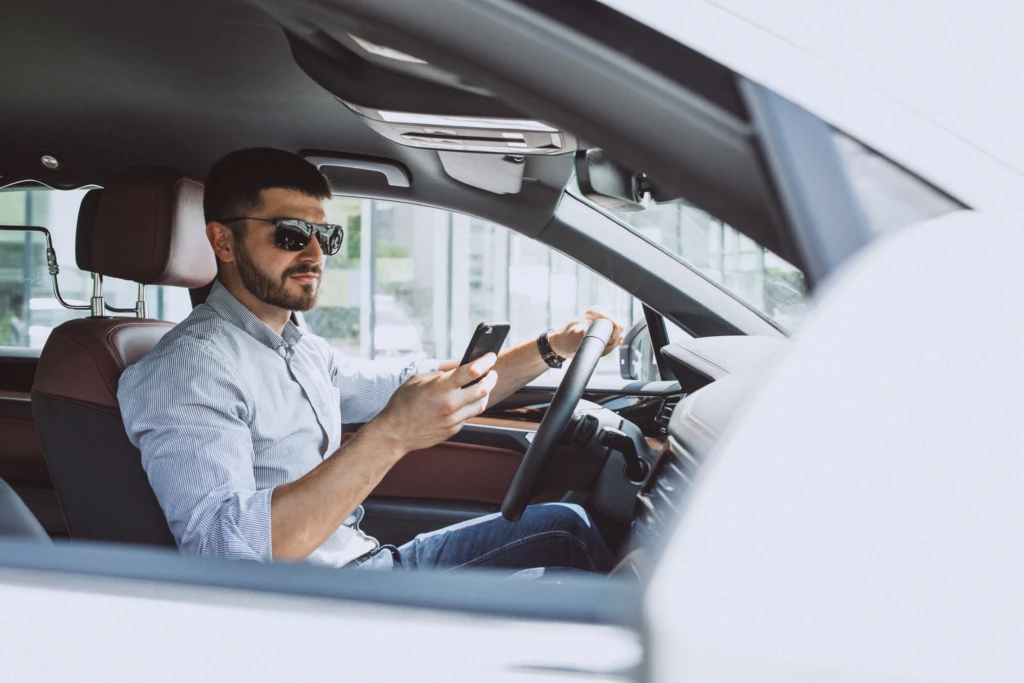
Reading or composing a message takes the driver’s eyes away from traffic. Holding a phone can interfere with steering, while reading or composing a message can divert mental attention. These distractions can occur simultaneously, making texting different from a brief, isolated glance.
The Centers for Disease Control and Prevention identifies visual, manual, and cognitive distraction as the three main types of distracted driving. These categories help explain why hands-free or voice-to-text features do not necessarily eliminate distraction.
Is Texting While Driving Illegal in Texas?
Yes. Texas Transportation Code §545.4251 generally makes it an offense for a driver to use a portable wireless communication device to read, write, or send an electronic message while operating a motor vehicle unless the vehicle is stopped. The statute contains exceptions and affirmative defenses for certain hands-free uses, navigation, emergency assistance, and other circumstances.
The rule discussed here is Texas state law. Separate federal rules apply to drivers of commercial motor vehicles in interstate commerce, including federal prohibitions on texting while driving a CMV.
TxDOT states that violations can result in a fine of up to $200. A traffic citation does not automatically establish civil liability; the injury claim still depends on evidence, causation, and applicable Texas law.
Read Related: Who is at fault in a Self-driving car accident?
How Can Distracted Driving Cause a Personal Injury Claim?
A distracted-driving crash may support a negligence claim when the evidence establishes the elements required under Texas law. In plain English, the injured person generally needs evidence that the other driver owed a duty to drive with reasonable care, failed to do so, and caused legally compensable harm. Texas uses proportionate responsibility rules in many negligence cases. If more than one party contributed to an injury, the percentage of responsibility assigned to each party can affect recovery. The facts may therefore involve the distracted driver’s conduct as well as the injured person’s own actions or other contributing factors.
Depending on the circumstances, damages may include medical expenses, lost income, physical pain, and other legally recognized losses. The available damages and proof required depend on the facts, insurance coverage, and applicable law. If you were hurt in a crash involving suspected phone use, preserve documents and seek case-specific guidance before making assumptions about fault or value.
What Evidence Can Prove Distracted Driving?
A distracted-driving case often turns on evidence showing what the driver was doing before or at impact. Useful evidence can include:
- Crash reports: A Texas Peace Officer’s Crash Report may document statements, observations, and contributing factors.
- Witness accounts: Witnesses may have observed the driver holding or looking at a phone.
- Phone-related evidence: Lawfully obtained call, message, or device records may help establish activity around the crash.
- Photos and video: Dashcam, surveillance, and traffic-camera footage may help establish what happened before impact.
- Medical documentation: Medical records can connect injuries to the collision and document treatment and expenses.
For Houston crashes, the Houston Police Department explains how accident reports are obtained. Keep copies of the crash report, medical records, bills, insurance correspondence, photographs, and other relevant material. If you need to understand whether the evidence supports a claim, a distracted driving accident lawyer near me may help evaluate the available records and explain what additional evidence could matter.
What Should You Do After a Texting-Related Crash?
Take practical steps that protect your health and preserve evidence:
- Get medical attention. Some crash injuries are not immediately obvious. Follow medical instructions and keep treatment records.
- Report the collision. When appropriate, contact law enforcement and provide accurate information.
- Document the scene. Photograph vehicles, roadway conditions, visible injuries, traffic controls, and surroundings if safe.
- Collect witness information. Record names and contact information for people who saw the collision.
- Preserve evidence. Keep photos, videos, medical records, bills, repair documents, and insurer communications.
- Avoid speculation. Do not guess about the other driver’s phone use or admit fault when you do not know what caused the collision.
- Review the claim promptly. Texas Civil Practice and Remedies Code §16.003 generally provides a two-year limitations period for personal injury lawsuits, although exceptions can change the deadline.
When Should You Talk to a Texas Personal Injury Attorney?
Consider speaking with a qualified Texas attorney when injuries are significant, fault is disputed, multiple parties may share responsibility, an insurer disputes the claim, or evidence of distracted driving may be important. Legal guidance can help identify relevant evidence and explain how Texas law applies.
Houston collisions can involve busy freeways, frontage roads, intersections, construction zones, and multiple vehicles. Those circumstances can make evidence more complicated than a simple account of who hit whom. A texting while driving accident attorney can also explain the distinction between a traffic offense and a civil claim, including how evidence of phone use may fit into a broader negligence analysis.
What Do These Statistics Mean for Texas Drivers?
The latest texting while driving statistics show that distracted driving remains a significant Texas roadway safety issue. TxDOT’s figures demonstrate the scale of crashes associated with driver distraction, while NHTSA and CDC guidance explain why phone use can compromise attention. Statistics cannot determine responsibility for an individual collision.
If you were injured in Houston or elsewhere in Texas, focus on what the driver was doing, what evidence exists, and how the crash occurred. Texas law varies by case. Schedule Your Consultation with Juan L. Guerra, Jr. & Associates, PLLC.