

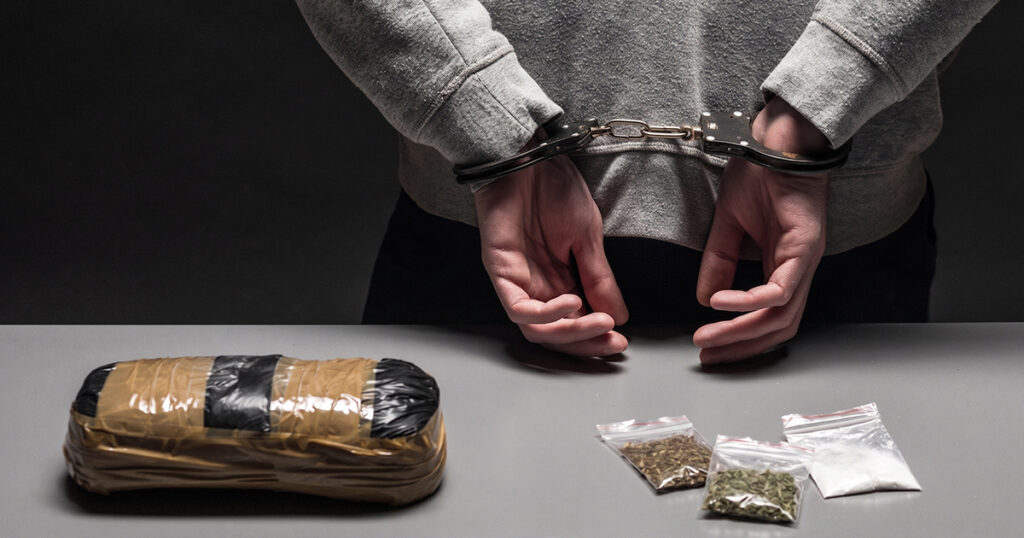
Being charged with a drug-related crime can be overwhelming and confusing. Many people do not realize how broadly Texas law defines drug offenses or how serious the consequences can be, even for first-time charges.
Drug-related crimes in Texas cover a wide range of illegal activities involving controlled substances, and penalties can vary depending on the type of drug, quantity, and intent. Understanding these charges is essential if you are facing allegations or seeking legal guidance from a drug offense lawyer Houston.
What Are Drug-Related Crimes?
Drug-related crimes refer to illegal activities involving controlled substances under Texas and federal law, including possession, manufacturing, trafficking, and distribution. These charges can apply even without an actual sale if intent or surrounding evidence suggests criminal activity.
Both state and federal authorities may prosecute, depending on the severity and scope of the case. Individuals often seek help from criminal defense Houston, TX attorneys to understand their rights and defense options.
Common Types of Drug-Related Crimes
Drug-related crimes include several different offenses involving controlled substances under Texas and federal law. Each type is defined by the action involved, the amount of drugs, and the intent behind possession or activity.
Possession
Possession means having illegal drugs for personal use without legal authorization. Even small amounts can lead to criminal charges in Texas. Penalties depend on the drug type and quantity involved. It is usually the least severe drug offense.
Possession With Intent
This charge applies when evidence suggests drugs were meant for sale or distribution. Indicators like packaging, cash, or scales are used to prove intent. It is treated more seriously than simple possession. Penalties are often felony-level.
Drug Distribution
Drug distribution involves selling, delivering, or transferring controlled substances. Even sharing drugs without payment can qualify under Texas law. It is considered a serious criminal offense. Punishments include significant fines and prison time.
Drug Trafficking
Drug trafficking refers to large-scale transportation or organized drug operations. These cases often involve higher quantities and may trigger federal prosecution. It is one of the most serious drug offenses. Penalties can include long prison sentences.
Manufacturing
Manufacturing involves producing, preparing, or cultivating illegal drugs. This includes drug labs or growing controlled substances. It is prosecuted aggressively under state and federal law. Convictions carry severe felony penalties.
How Drug-Related Crimes Are Determined
Law enforcement and prosecutors evaluate several types of evidence and surrounding circumstances to decide the appropriate drug charge in a case.
- Quantity of drugs: Larger amounts often indicate intent to distribute.
- Packaging materials: Baggies, containers, or labeling can suggest sales activity.
- Cash and assets: Large unexplained cash amounts may indicate drug transactions.
- Communication records: Messages or calls related to drug sales can be used as evidence.
- Surveillance and arrests: Police operations or controlled buys may support charges.
- Weapons or tools: Firearms or scales found near drugs can increase severity.
Even indirect or circumstantial evidence can be enough for prosecutors to build a strong case. In many situations, multiple factors are combined to determine whether charges should be filed and at what level they should be prosecuted.
Penalties for Drug-Related Crimes
Drug crime penalties in Texas depend on the type of offense and controlled substance involved under the Texas Controlled Substances Act (Texas Health & Safety Code, Chapter 481). Federal penalties may apply under the Controlled Substances Act (21 U.S.C. § 841).
- Misdemeanor possession: Fines, probation, and short jail sentences under Texas law.
- State jail felony: 180 days to 2 years in state jail with fines up to $10,000.
- Third-degree felony: 2 to 10 years in prison, depending on drug type and circumstances.
- Second-degree felony: 2 to 20 years in prison with higher-level sentencing exposure.
- First-degree felony: 5 to 99 years or life imprisonment for serious drug offenses.
- Federal penalties: Mandatory minimum sentences and long prison terms under federal law.
- Additional consequences: License suspension, asset forfeiture, and a permanent criminal record.
Other consequences may include license suspension, asset forfeiture, and a permanent criminal record.
State vs. Federal Drug Charges
Drug-related offenses may be prosecuted under Texas state law or federal law, depending on the facts of the case. The level of court and penalties can vary significantly based on jurisdiction and severity.
- State charges: Usually involve local possession or small-scale offenses under Texas law.
- Federal charges: Involve interstate trafficking, large quantities, or organized drug operations.
- Penalties: Federal cases often carry harsher sentencing and mandatory minimums.
- Agencies involved: DEA, FBI, and local law enforcement may work together in federal cases.
Federal charges typically result in more severe long-term consequences.
Long-Term Effects of Drug Convictions
A drug conviction can have lasting consequences that extend far beyond fines, probation, or jail time. Even after the case is closed, it can continue to affect many areas of a person’s life.
- Employment difficulties: A criminal record can make it harder to pass background checks and secure jobs.
- Housing challenges: Landlords may deny rental applications due to a drug-related conviction.
- Professional license issues: Certain careers may be restricted or revoked after a conviction.
- Immigration consequences: Non-citizens may face visa issues, deportation, or denial of status.
- Permanent record: A drug conviction remains on record and can impact future opportunities.
Because of these long-term effects, building a strong defense early in the case is extremely important.
Common Defenses Against Drug Charges
Drug-related charges can often be challenged based on how evidence was collected and whether the prosecution can legally prove the case. Strong defenses focus on constitutional violations, weak evidence, and procedural errors during investigation or arrest.
- Illegal search and seizure: Evidence obtained without a valid warrant or legal justification may be excluded from court.
- Lack of knowledge: The accused may argue they were unaware of the presence of drugs.
- Insufficient evidence: Weak or circumstantial evidence may fail to prove guilt beyond a reasonable doubt.
- Violation of rights: Improper police conduct or constitutional violations can impact the entire case.
- Chain of custody issues: Mishandled or improperly documented evidence may be challenged for reliability.
- Case dependency: Every defense strategy depends on the specific facts and circumstances of the case.
What to Do After a Drug Arrest
Taking the right steps immediately after a drug arrest is important to protect your legal rights and avoid mistakes that can harm your case later.
- Remain calm and avoid resisting arrest
- Do not answer detailed questions without an attorney
- Avoid discussing your case publicly
- Document everything you remember about the arrest
- Contact a criminal defense lawyer immediately
Early legal action can help protect your rights and improve your defense options.
Why Hiring a Criminal Defense Lawyer Matters
Drug-related charges can have serious long-term consequences that affect your freedom, career, and future opportunities. Having experienced legal representation ensures your rights are protected and your case is properly defended.
- Case review: A lawyer carefully examines evidence, police reports, and arrest procedures for errors.
- Rights protection: Ensures constitutional rights are upheld during investigation and court proceedings.
- Evidence challenges: Identifies illegal searches, weak proof, or procedural mistakes.
- Charge negotiation: May help reduce charges or minimize potential penalties.
- Court representation: Provides strong defense during hearings, negotiations, or trials.
- Early legal help: Many people search for a “Houston criminal defense lawyer” immediately after arrest because early action can improve outcomes.
Many individuals search for a “Houston criminal defense lawyer” immediately after an arrest because early legal help can significantly affect case outcomes. Firms like Juan L. Guerra, Jr. & Associates, PLLC assist clients facing serious drug-related allegations.