

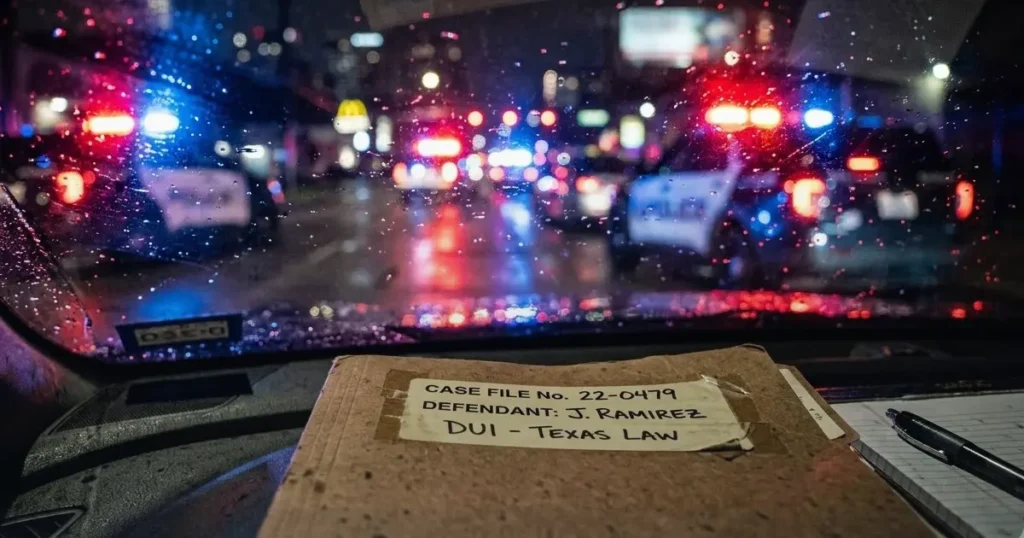
Driving under the influence (DUI) is one of the most serious offenses a driver can face in Texas. In Houston, DUI cases are prosecuted under the state’s DWI (Driving While Intoxicated) statutes, and the consequences can be severe. A DUI conviction can lead to significant fines, jail time, license suspension, and long-term impacts on employment, insurance, and personal reputation. Whether you are facing charges or simply want to understand the laws, consulting an experienced Houston criminal defense attorney is essential to protect your rights and navigate the legal process effectively.
DUI vs. DWI in Texas
Many people use the terms DUI and DWI interchangeably, but in Texas, there is a legal distinction. The state law primarily refers to impaired driving as a DWI, which stands for Driving While Intoxicated. DWI charges apply when a person operates a vehicle while under the influence of alcohol or drugs, or when their blood alcohol concentration (BAC) exceeds legal limits. Texas has specific BAC thresholds that trigger DUI/DWI charges:
- Drivers 21 and older: 0.08% or higher
- Drivers under 21: any detectable alcohol (Zero Tolerance Law)
- Commercial drivers: 0.04% or higher
Even if a driver’s BAC is below the legal limit, law enforcement may still file a DWI charge if there are observable signs of impairment, such as slurred speech, erratic driving, or poor coordination. Prosecutors often rely on these observations, along with field sobriety tests and other evidence, to argue intoxication. An experienced attorney can review this evidence and challenge whether it truly supports a DWI charge.
How BAC Impacts DUI Charges
BAC, or blood alcohol concentration, is a central factor in DUI charges, but it is not the only factor. Law enforcement in Houston often uses breathalyzers, blood tests, and field sobriety tests to determine a driver’s level of intoxication. For adults, a BAC of 0.08% or higher typically results in arrest, but even lower levels can lead to charges if the driver is clearly impaired.
For drivers under 21, the Zero Tolerance Law makes any detectable amount of alcohol illegal, which means that a single drink could result in a DUI. Commercial drivers, who operate larger vehicles or transport passengers, are held to stricter standards, with a legal limit of 0.04%. These rules reflect the heightened risk posed by professional drivers on public roads.
Consequences of a DUI in Houston
A DUI conviction in Houston can create serious long-term consequences beyond immediate penalties such as fines, jail time, or license suspension. Even a single conviction can affect a person’s financial stability, employment opportunities, and ability to maintain certain licenses or travel. Common consequences may include:
- Increased insurance premiums due to being classified as a high-risk driver
- SR-22 insurance requirements, which verify financial responsibility for maintaining auto insurance
- Employment challenges, particularly for jobs that involve driving or require professional licensing
- Licensing or travel limitations, especially in cases involving repeat offenses or felony convictions
Even first-time offenders may face long-term disruptions in their personal and professional lives, which is why seeking legal guidance early in the process can be important.
DUI Penalties in Houston
Texas law imposes escalating penalties for DUI/DWI offenses depending on the severity of the incident, BAC levels, prior offenses, and any aggravating circumstances. These penalties are primarily defined under the Texas Penal Code §49.04, Texas Penal Code §49.09, and related provisions. Understanding these penalties is critical for anyone facing DUI charges.
First Offense
A first-time DUI/DWI in Houston is generally classified as a Class B misdemeanor under Texas Penal Code §49.04(b). Penalties may include:
- Fines up to $2,000
- Jail time ranging from 72 hours to six months
- License suspension for 90 days to one year under Texas Transportation Code §521.344
In addition, courts may require completion of a DWI education program or the installation of an ignition interlock device under Texas Code of Criminal Procedure Art 42A.408, which prevents a vehicle from starting if alcohol is detected on the driver’s breath.
High BAC First Offense
A first offense with a BAC of 0.15% or higher is considered a Class A misdemeanor under Texas Penal Code §49.04(d) and carries harsher penalties:
- Fines up to $4,000
- Jail time up to one year
- Longer license suspension periods
High BAC levels indicate a greater risk to public safety, and Texas law treats these cases more seriously.
Second Offense
A second DUI/DWI offense triggers enhanced penalties under Texas Penal Code §49.09(a) and is typically classified as a Class A misdemeanor. Penalties may include:
- Fines up to $4,000
- Jail time ranging from 30 days to one year
- License suspension from 180 days to two years
Repeat offenders may also face:
- Mandatory alcohol treatment programs
- Community service requirements
- Stricter monitoring, such as continuous alcohol monitoring devices
Third Offense
A third DUI/DWI offense escalates to a third-degree felony under Texas Penal Code §49.09(b), reflecting the repeated risk to public safety. Felony penalties include:
- Fines up to $10,000
- Prison time of two to ten years under Texas Penal Code §12.34
- License suspension of up to two years
Felony convictions carry long-term consequences beyond criminal penalties. They can affect employment opportunities, travel, housing, and professional licensing, creating lasting impacts on a person’s future, which is why consulting an experienced DUI attorney Houston early can be critical to protecting your rights and minimizing potential consequences.
Legal Rights and Defense Strategies
Every DUI case is unique, and Texas law provides several legal avenues for challenging the charges. Drivers have important rights that can influence how a case proceeds and whether certain evidence can be used in court. Careful examination of the traffic stop, testing procedures, and investigative steps may reveal weaknesses in the prosecution’s case. Key rights and potential defense strategies include:
- Challenging probable cause: The legality of a traffic stop may be questioned if law enforcement did not have reasonable suspicion to pull the driver over.
- Questioning testing accuracy: Breathalyzer or blood test results may be challenged if there were calibration issues, improper administration, or procedural errors.
- Refusal of field sobriety tests: Drivers can legally refuse field sobriety tests, although doing so may lead to certain administrative consequences.
An experienced defense strategy may help reduce charges, explore diversion programs, or identify alternative sentencing options. Careful review of the arrest process, testing procedures, and administrative steps can significantly influence the outcome of a DUI case.
Protecting Your Rights in a DUI Case
DUI charges in Houston are serious under Texas law, and penalties escalate quickly based on prior offenses, high BAC levels, or aggravating circumstances. Beyond criminal consequences, drivers face administrative license suspensions and long-term impacts on insurance, employment, and professional licenses. Understanding your rights and the intricacies of Texas DUI law is essential for protecting yourself and minimizing long-term repercussions.
For over 15 years, Juan L. Guerra, Jr. & Associates, PLLC has provided trusted legal advocacy for clients facing DUI charges in Houston. Experienced legal guidance can make a significant difference in defending your rights and achieving the best possible outcome.