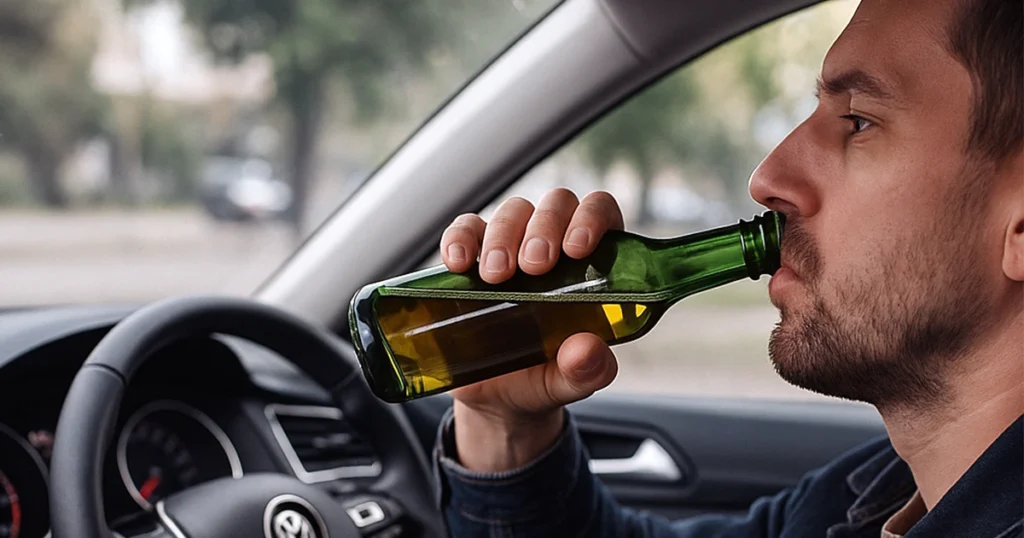

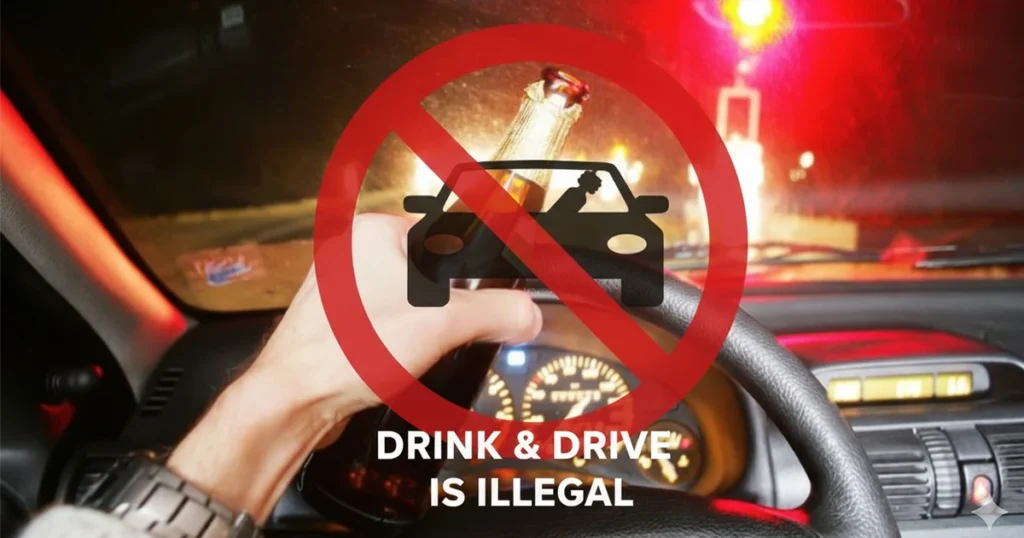
Drunk driving remains one of the most dangerous and preventable causes of car accidents in Texas. While everyone knows it’s illegal today, few realize how recently drunk driving laws were created and how much they’ve evolved over the past century.
Our Houston car accidents lawyer believes understanding this history helps explain why these laws are so strict and how victims can seek justice when someone chooses to drive while intoxicated.
The Early History of Drunk Driving Laws
When automobiles first became popular in the early 1900s, lawmakers quickly recognized the dangers of drinking and driving. At that time, police officers relied solely on their observations, such as slurred speech, poor coordination, or erratic driving, to determine whether a driver was impaired, since no scientific tools yet existed to measure intoxication.
- 1906: New Jersey became the first state to pass a law against “driving while intoxicated.”
- 1910: New York followed with its own drunk driving law.
- 1910s: California enacted early DUI laws, though none defined how much alcohol made a person “too drunk” to drive.
From the Drunkometer to the Breathalyzer
The first scientific step toward measuring intoxication came in 1936, when Dr. Rolla Harger invented the “Drunkometer.” This device allowed officers to estimate blood alcohol concentration (BAC) using a person’s breath. In the 1950s, Robert Borkenstein improved on this idea and created the Breathalyzer, a more reliable and portable device. This innovation gave law enforcement a way to prove intoxication scientifically, rather than relying on opinion or observation.
To learn more about how technology continues to help prevent impaired driving, visit the National Highway Traffic Safety Administration (NHTSA). Even so, many states were slow to adopt these tools. Throughout the 1960s and 1970s, DUI laws were inconsistent, and enforcement remained weak.
The 1970s–1980s: A Turning Point
Public frustration grew as alcohol-related deaths increased nationwide. In 1980, activist Candy Lightner founded Mothers Against Drunk Driving (MADD) after losing her daughter to a drunk driver. MADD’s advocacy sparked sweeping changes to both state and federal laws. Key reforms included:
- The National Minimum Drinking Age Act of 1984 raised the drinking age to 21.
- Adoption of a 0.08% BAC limit as the national standard for intoxication, supported by the U.S. Department of Transportation.
- Stronger state penalties and greater public awareness campaigns.
By 1988, drunk driving was illegal in all 50 states, and by 2004, the 0.08% BAC limit was fully standardized nationwide.
DUI vs. DWI: What’s the Difference in Texas?
Adults face DWI charges, while minors face DUI charges. Many Texans use the terms DUI and DWI interchangeably, but the law makes a clear distinction.
- DWI (Driving While Intoxicated): Under Texas Penal Code §49.04, a person commits DWI if they operate a motor vehicle in a public place while intoxicated, meaning a BAC of 0.08% or higher, or the loss of normal mental or physical faculties due to alcohol or drugs.
- DUI (Driving Under the Influence): This charge applies only to minors under 21 under Texas Alcoholic Beverage Code §106.041. Any detectable amount of alcohol, even below 0.08%, can lead to a DUI charge.
Drunk Driving Laws in Texas Today
Texas takes intoxicated driving very seriously. The law applies not only to vehicles on the road but also to boating and flying.
- Boating While Intoxicated (BWI): Texas Penal Code §49.06.
- Flying While Intoxicated: Texas Penal Code §49.05.
A driver is legally intoxicated if their BAC is 0.08% or higher, or if alcohol, drugs, or a combination of both impair their normal faculties. For commercial drivers, the BAC limit is 0.04%, and for drivers under 21, any detectable alcohol violates Texas’s zero-tolerance policy.
Implied Consent and License Suspension
Texas law includes an “implied consent” rule. This means that by driving on Texas roads, you automatically agree to submit to a breath or blood test if law enforcement suspects intoxication. Refusing these tests doesn’t avoid penalties; it triggers an automatic license suspension under the Texas DPS Administrative License Revocation (ALR) Program, even if the driver is not convicted of DWI. A first refusal can result in a suspension of up to 180 days.
Penalties and Costs of a DWI in Texas
Courts may also require an ignition interlock device, a breath-based mechanism installed in a vehicle that prevents it from starting if alcohol is detected. Other penalties can include community service and mandatory alcohol education programs.
The total cost of a DWI, when factoring in fines, legal fees, increased insurance rates, and lost wages, can easily exceed $10,000, even for a first offense. DWI penalties depend on a driver’s history and the severity of the offense:
- First Offense: Up to $2,000 fine, 3–180 days in jail, and up to a 1-year license suspension.
- Second Offense: Up to $4,000 fine, 30 days to 1 year in jail, and up to a 2-year suspension.
- Third Offense (Felony): Up to $10,000 fine, 2–10 years in prison, and up to a 2-year suspension.
What to Do If You Were Injured by a Drunk Driver
Even with tough DWI laws, drunk driving accidents continue to devastate families across Houston. Victims often face serious injuries, medical bills, and emotional trauma that can last a lifetime. If you were injured by an intoxicated driver, you may be entitled to compensation for medical expenses, lost wages, pain and suffering, and property damage.
A Houston Personal Injury Lawyer with experience in DWI accident cases can help you file a civil claim against the negligent driver. You can also learn more about your options from our Houston Car Accident Lawyer.
Contact JLG Law Office Today
At JLG Law Office, we fight for victims of drunk driving accidents throughout Houston and across Texas. We understand the toll these crashes take, physically, emotionally, and financially, and we work tirelessly to hold reckless drivers accountable.
If you or a loved one has been injured by a drunk driver, contact JLG Law Office today for a free consultation. Our Houston DWI accident lawyers are ready to help you pursue justice and the compensation you deserve.