

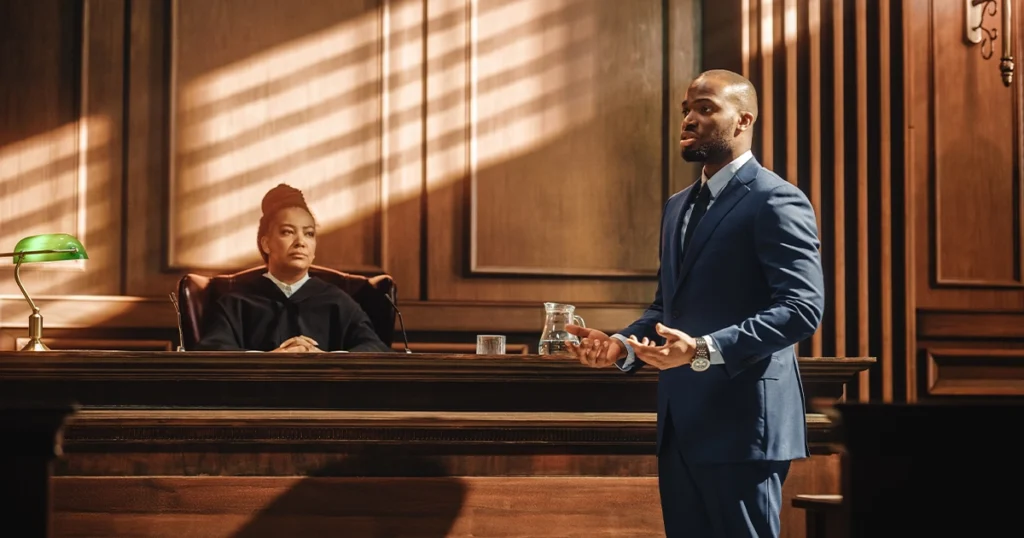
A prosecutor is a lawyer who represents the government or state in criminal cases, working to ensure justice is served rather than just seeking convictions. They handle cases at local, state, and federal levels, ranging from theft or assault to large-scale crimes like drug trafficking or terrorism.
According to a Houston criminal defense lawyer, a prosecutor’s role involves more than presenting evidence; they must make difficult decisions about whether to bring charges, proceed with a case, or protect the rights of the accused, as discussed in our article on What is Criminal Defense. Ultimately, prosecutors play a crucial part in maintaining public safety and upholding the integrity of the criminal justice system.
The Role of a Prosecutor in the Criminal Justice System
Prosecutors play a pivotal role in the criminal justice system. Their duties extend far beyond simply presenting a case in court.
- Investigation and Evidence Gathering
Prosecutors review evidence collected by law enforcement and ensure it is sufficient to support charges. They work closely with police and investigators to gather everything from witness statements to forensic evidence. - Charging the Defendant
In Texas, prosecutors follow Art. 2.01 of the Texas Code of Criminal Procedure, which outlines their duty to prosecute criminal offenses. This ensures charges are brought only when legally justified and supported by sufficient evidence. - Court Representation
In court, prosecutors present evidence, question witnesses, and make legal arguments before the judge or jury, ensuring all legal procedures are followed. - Ethical Responsibilities
Prosecutors must adhere to Rule 3.08 of the Texas Disciplinary Rules of Professional Conduct, which requires disclosing exculpatory evidence, negotiating fair plea deals, and protecting the rights of the accused.
Types of Prosecutors
There are three primary types of prosecutors: local district attorneys (DAs), state prosecutors, and federal prosecutors. While they all have similar roles, the scope and jurisdiction of their work can vary significantly.
District Attorneys (DAs)
At the local level, district attorneys are responsible for prosecuting most criminal cases. This includes everything from minor offenses, such as shoplifting, to serious felonies like murder or assault, as seen in Aggravated Assault Laws and Penalties in Texas. District attorneys typically handle cases that fall under their county’s jurisdiction, and in larger cities, they may focus on specific types of crimes, like violent crimes or drug offenses.
State Prosecutors
State prosecutors work for the state attorney general’s office or similar state-level offices. They handle cases that fall under state jurisdiction, such as large-scale fraud, narcotics trafficking, and state law violations, which are discussed in What is Money Laundering? Texas Laws and Charges. These prosecutors may also assist local district attorneys with complex cases or cases involving multiple jurisdictions.
Federal Prosecutors
Federal prosecutors, working for the United States Attorney’s Offices (USAOs), prosecute crimes that violate federal laws. These crimes include immigration violations, terrorism, organized crime, and financial crimes. What are Conspiracy Charges?. Federal prosecutors have jurisdiction over cases that cross state lines or involve federal agencies, such as the FBI or DEA.
How a Prosecutor Influences a Case
Prosecutors play a key role in shaping how a criminal case unfolds. Their decisions can significantly influence the direction and outcome of a case.
- Decision to Prosecute
Prosecutors review evidence and determine whether charges are warranted, guided by the Texas Code of Criminal Procedure, Art. 2.01. and cases such as Aggravated Assault Laws and Penalties in Texas. - Plea Bargaining
Most cases are resolved through plea deals. In Texas, these agreements follow Art. 26.13 of the Texas Code of Criminal Procedure, ensuring fairness and proportionality, which is also common in DWI Penalties and Defense cases. - Impact on Sentencing
Prosecutors provide recommendations that can affect sentencing, from leniency to the maximum allowed under Texas Penal Code §12.42, as seen in cases like What are Conspiracy Charges?. - Ensuring Justice
Prosecutors must uphold justice by dropping weak cases, disclosing exculpatory evidence, and avoiding unfair tactics, similar to procedures discussed in the Texas Domestic Violence Arrest Process.
Skills and Qualities of a Successful Prosecutor
To be effective, prosecutors must possess a range of skills and qualities:
- Analytical Thinking
Prosecutors need strong analytical skills to assess complex evidence, piece together facts, and make critical decisions about whether to proceed with a case. - Communication Skills
Prosecutors must be skilled communicators, both in writing and speaking. They must present arguments clearly and persuasively to judges and juries while also engaging in negotiations and preparing legal documents. - Ethical Integrity
Integrity is crucial for prosecutors. They must adhere to ethical rules, avoid conflicts of interest, and make decisions based on the law and facts, not personal biases or external pressure. - Knowledge of Law
A thorough understanding of criminal law, court procedures, and legal ethics is essential for a prosecutor to navigate cases effectively.
Prosecutor vs. Judge: What’s the Difference?
In a courtroom, it’s easy to mix up the roles of the people involved. You might wonder: Is a prosecutor a judge? The short answer is no. Prosecutors and judges serve very different roles, although they both hold significant power in the courtroom.
- Role in a Case: Prosecutors argue the case against the defendant, whereas judges oversee the trial and ensure that it follows the law.
- Who They Represent: Prosecutors represent the government and public safety, while judges represent fairness and the judicial system.
- Decision-Making: Prosecutors decide whether to bring charges, what charges to file, and what plea deals to offer, while judges rule on the admissibility of evidence and sentencing.
Both roles are vital, but their functions in the courtroom are opposite. Prosecutors advocate for one side, while judges must remain neutral and make decisions based on the law and the facts.
Challenges Faced by Prosecutors
Prosecutors face a variety of challenges that test both their legal expertise and ethical judgment. From managing heavy workloads to handling complex cases, they must navigate a demanding role while ensuring justice is served, as seen in Texas Domestic Violence Arrest Process cases.
- High Caseloads
Prosecutors often handle large numbers of cases simultaneously, leading to long hours and high stress. This requires strong organizational skills and effective prioritization, especially in cases like Aggravated Assault Laws and Penalties in Texas. - Pressure to Win
While there may be pressure to secure convictions, prosecutors’ main responsibility is to pursue justice. This sometimes means dropping cases or negotiating plea deals when evidence is insufficient, such as in DWI Penalties and Defense cases. - Complex Cases
Some cases involve intricate legal issues or extensive investigations. Prosecutors must manage these complexities while maintaining fairness and integrity throughout the process, similar to what is involved in What is Criminal Defense.
Becoming a Prosecutor
Becoming a prosecutor requires a combination of education, training, and hands-on experience. Aspiring prosecutors must meet strict qualifications and undergo ongoing training to ensure they can uphold justice effectively in criminal cases. According to a Houston criminal defense lawyer, prosecutors must also be prepared to manage complex legal situations, balance ethical responsibilities, and make critical decisions that can significantly affect defendants and victims alike.
- Qualifications and Training
To become a prosecutor, you need a law degree, must pass the bar exam, and gain experience in criminal law. Many start as interns or clerks in district attorneys’ offices to gain practical experience before taking on full cases. - Training and Oversight
Prosecutors receive extensive training in ethical rules, criminal procedures, and professional standards. Continuing education is often provided to keep attorneys updated on legal developments and best practices.
Protect Your Rights with JLG Law Office
Facing criminal charges can be overwhelming, and prosecutorial decisions can greatly impact your case. At JLG Law Office, our experienced attorneys guide you through the legal system, helping you understand your rights and options every step of the way.
Don’t wait to get the support you need. Contact JLG Law Office today for skilled representation and personalized legal advice to protect your future and ensure your case is handled with integrity.