

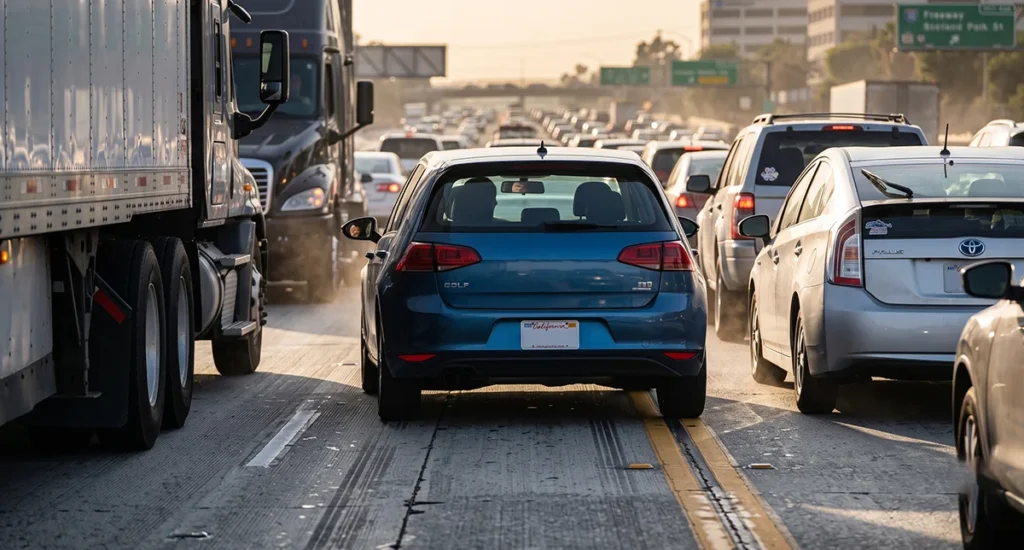
Lane splitting is a common concern among motorcycle riders who want to know whether they can legally move between lanes of traffic. While some states allow certain forms of lane splitting or filtering, Texas has stricter rules for motorcycle operation. Understanding Texas lane splitting laws is important because violating traffic regulations can lead to citations, fines, and potential legal complications.
No, lane splitting is illegal in Texas. Unlike some states that allow motorcycles to travel between lanes of slow-moving or stopped traffic, Texas does not permit riders to pass between vehicles traveling in the same direction. Under Texas Transportation Code § 545.0605, motorcycle operators are prohibited from operating between lanes of traffic or rows of vehicles moving in the same direction. Riders must follow proper lane usage rules and remain within a designated lane. Attempting to split lanes may result in legal consequences, and if it leads to an accident, a Houston motor vehicle accident lawyer can help you understand your legal options.
What Is Lane Splitting?
Lane splitting is a motorcycle riding practice where a rider travels between two lanes of vehicles moving in the same direction. Motorcyclists may use this technique to move through traffic congestion, reduce travel time, or avoid being surrounded by larger vehicles.
Common motorcycle lane movements include:
- Lane splitting: A motorcycle moves between lanes of slow-moving or stopped traffic traveling in the same direction.
- Lane filtering: A motorcycle passes between stopped vehicles, often at intersections or during heavy traffic.
- Lane sharing: Two motorcycles ride next to each other within the same lane.
While some states allow limited forms of these practices, Texas does not permit lane splitting or lane filtering. Motorcycle riders in Texas must follow state traffic laws and remain within designated lanes. Understanding the difference between these riding practices can help motorcyclists avoid violations and reduce the risk of accidents on Texas roads.
Texas Lane Splitting Laws
Texas has specific regulations that govern how motorcycle riders must operate on public roads. Unlike some states that allow limited lane splitting or filtering, Texas law does not permit motorcycles to travel between lanes of traffic moving in the same direction. Riders are required to follow proper lane usage rules and operate their motorcycles safely within a designated lane.
Under Texas Transportation Code § 545.0605, motorcycle operators are entitled to full use of a lane but may not operate their motorcycle between lanes of traffic moving in the same direction or pass another vehicle while riding in the same lane. Key points about Texas motorcycle lane laws include:
- Motorcycles have the right to use a full lane: Other vehicles cannot operate in a way that prevents a motorcycle from using its designated lane.
- Lane splitting is prohibited: Riders cannot move between lanes of traffic traveling in the same direction.
- Passing within the same lane is not allowed: A motorcycle cannot pass another vehicle while remaining in the same lane as that vehicle.
- Riding two motorcycles side-by-side is permitted: Texas law allows two motorcycles to operate abreast within the same lane.
Violating Texas lane-splitting laws may result in traffic consequences and can create additional legal issues if the violation contributes to a motorcycle accident. If a crash occurs, a motor vehicle accident attorney near me can help, as factors such as police reports, witness statements, and available evidence may affect how fault is determined.
What Are the Penalties for Lane Splitting in Texas?
The consequences of lane splitting in Texas can depend on the circumstances of the violation and whether other traffic violations or accidents are involved.
Possible consequences may include:
- Traffic citations.
- Fines and court costs.
- Points on your driving record.
- Increased insurance costs.
- Liability issues after a motorcycle accident.
If lane splitting contributes to a crash, the rider may face additional legal challenges. Insurance companies may investigate whether a traffic violation contributed to the accident when determining fault and compensation.
Can You Get a Ticket for Lane Splitting in Texas?
Yes, motorcycle riders can receive a ticket for lane splitting in Texas if law enforcement determines that they are operating between lanes of traffic or passing vehicles in a way that violates Texas traffic laws. A citation may result in fines and other legal consequences depending on the circumstances of the violation.
However, receiving a ticket does not automatically determine fault in a motorcycle accident. Factors such as road conditions, driver actions, police reports, and available evidence may affect the outcome of a case. If you receive a citation or are involved in a crash involving an alleged lane-splitting incident, understanding your legal rights and options is important.
Can Lane Splitting Affect a Motorcycle Accident Claim?
Yes, lane splitting can affect a motorcycle accident claim in Texas. Insurance companies may consider whether a rider violated traffic laws when evaluating responsibility for a crash.
Factors that may influence a motorcycle accident claim include:
- Whether a traffic violation occurred.
- Who had the right of way.
- Evidence from witnesses or video footage.
- Police reports and accident documentation.
- The actions of all drivers involved.
Even if a rider is accused of lane splitting, other drivers may still be responsible if their actions contributed to the accident. A Houston personal injury lawyer can conduct a complete review of the facts to determine liability.
What To Do After a Lane Splitting Accident in Texas
A lane splitting accident in Texas can lead to injuries, property damage, and legal complications. If you are involved in a crash where lane splitting is alleged, taking the right steps can help protect your health, rights, and potential claim.
After a lane splitting accident, consider these important steps:
- Seek medical attention: Some motorcycle injuries may not appear immediately. Getting medical care can protect your health and provide important records for your case.
- Document the accident scene: Take photos, collect witness information, and preserve any evidence that may help explain what happened.
- Avoid admitting fault: Do not make statements about responsibility before understanding the full circumstances of the accident.
- Report the accident: Keep copies of police reports, insurance communications, and other important documents.
- Contact an experienced attorney: A lawyer can review the details of the crash, explain your legal options, and help protect your rights.
Because lane splitting violations can affect how fault is determined, having experienced legal guidance can be important after a motorcycle accident in Texas.
Get Legal Help for a Lane Splitting Violation in Texas
A lane splitting violation in Texas can result in fines, traffic citations, and other legal complications. If you are accused of violating Texas motorcycle lane laws, understanding the charges against you and your available options is important before making decisions about your case.
An experienced attorney can review the details of your situation, including how the citation was issued, the evidence involved, and whether proper procedures were followed. Getting legal guidance early can help you understand your rights and determine the best way to move forward.
How Juan L. Guerra, Jr. & Associates Can Help
At Juan L. Guerra, Jr. & Associates, we understand that traffic violations and legal issues involving motorcycles can create uncertainty about your future. Our team provides personalized legal guidance and works to protect the rights and interests of every client.
We take the time to understand the details of your case, explain your legal options, and develop a strategy based on your specific circumstances. Whether you are dealing with a lane-splitting citation or another traffic-related legal matter, our team is prepared to help you navigate the process.
Contact Juan L. Guerra, Jr. & Associates today for a confidential consultation and trusted legal support in Texas.