

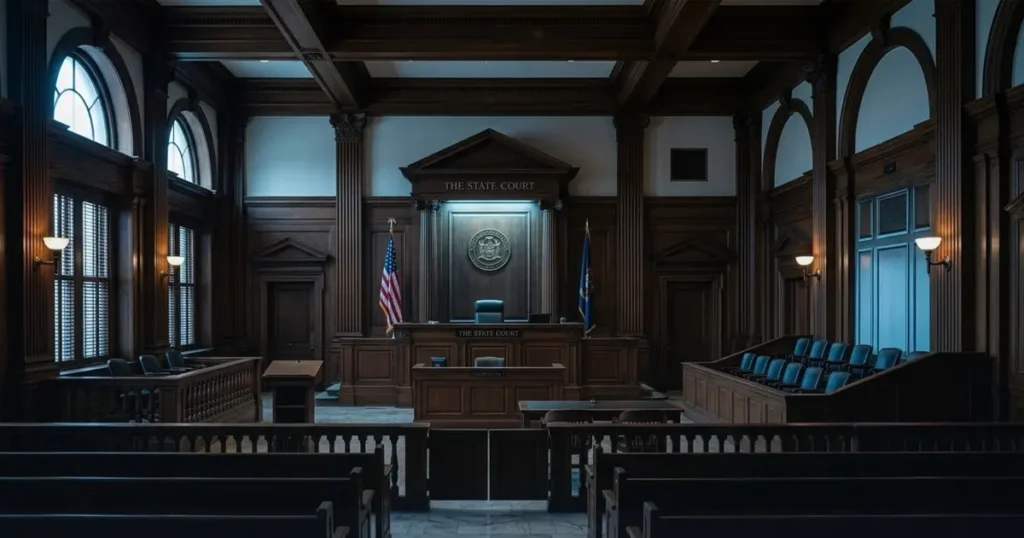
First-degree murder is not an official term in Texas law, but it is commonly used to refer to murder, which is a first-degree felony under Texas Penal Code §19.02. This occurs when a person intentionally or knowingly causes the death of another, intends to cause serious bodily injury and commits an act clearly dangerous to human life that results in death, or causes a death while committing or attempting to commit a felony. Anyone facing such charges should consult a criminal defense attorney Houston, TX, to understand their rights and navigate the complex legal process.
Murder in Texas: The Equivalent of First Degree Murder
Although Texas statutes do not formally use the term “first degree murder,” the offense that most closely matches this concept is the crime of murder classified as a first-degree felony. Under Texas Penal Code §19.02, a person commits murder if they:
- Intentionally or knowingly cause the death of another person
- Intend to cause serious bodily injury and commit an act clearly dangerous to human life that results in death
- Causes the death of another person while committing or attempting to commit a felony offense
These definitions show how Texas law treats murder as a serious and complex criminal offense involving intentional actions or extremely dangerous conduct that results in loss of life.
Situations That Can Lead to Murder Charges
Several circumstances may lead prosecutors to file a murder charge in Texas. These situations generally involve conduct that demonstrates intent to kill, intent to cause serious harm, or actions that create a substantial risk to human life. Examples may include situations where a person:
- Intentionally causes another person’s death
- Intends to cause serious bodily injury and performs an act clearly dangerous to human life that results in death
- Causes someone’s death while committing another felony offense
Prosecutors often rely on evidence of intent, the nature of the actions involved, and the surrounding circumstances when determining whether a case qualifies as murder, which is why having an experienced Houston criminal defense attorney review the evidence and advocate on your behalf can make a critical difference.
Add a button with this text: criminal defense attorney near me
The Felony Murder Rule
Under this legal principle, a person may still face a murder charge if someone dies during the commission or attempted commission of another felony offense. In these cases, prosecutors may not need to prove that the defendant specifically intended to cause death. Instead, they must demonstrate that the death occurred as a result of a dangerous act committed during the felony. Examples may include deaths that occur during crimes such as:
- Robbery
- Burglary
- Kidnapping
Even if the death was not planned or intentional, the law may still classify the situation as murder because it occurred during a dangerous criminal act.
Murder Laws and Criminal Charges
Texas criminal law recognizes several forms of criminal homicide. Each category reflects a different level of intent, recklessness, or negligence.
Types of Criminal Homicide
The primary homicide offenses recognized under Texas law include:
- Murder
- Capital murder
- Manslaughter
- Criminally negligent homicide
Each offense carries different legal elements and penalties. Prosecutors must prove specific factors in court before a conviction can occur.
How Prosecutors Prove Murder
In a murder case, prosecutors must prove the specific legal elements defined in the Texas Penal Code. Depending on the circumstances of the case, this may involve demonstrating that the accused:
- Intentionally or knowingly caused the victim’s death
- Committed an act clearly dangerous to human life that resulted in death
- Caused a death while committing or attempting to commit another felony offense
Evidence used in murder investigations may include:
- Witness statements
- Forensic evidence
- Surveillance footage
- Digital communications
- Expert testimony
Because homicide cases often involve complex evidence and extensive investigations, experienced legal representation can play a critical role in protecting the rights of the accused.
Capital Murder vs Murder
Another important concept in Texas criminal law is the distinction between murder and capital murder. Capital murder represents the most serious homicide offense recognized under Texas law. Under Texas Penal Code §19.03, certain aggravating circumstances can elevate a murder charge to capital murder. Examples may include situations where the accused:
- Kills a police officer or firefighter performing official duties
- Commits murder in exchange for payment or as part of a murder-for-hire arrangement
- Kills multiple victims during the same criminal transaction
- Commits murder while carrying out another violent crime such as:
- Robbery
- Kidnapping
- Robbery
- Kills a child under the age of ten
These factors significantly increase the seriousness of the charge and the potential punishment if a conviction occurs.
Penalties for Murder
A conviction for murder in Texas carries severe criminal penalties. Because murder is classified as a first-degree felony, the consequences can affect a person’s life permanently.
Prison Sentences and Fines
Individuals convicted of murder may face penalties that include:
- Prison sentences ranging from five years to ninety-nine years
- Life imprisonment
- Fines of up to ten thousand dollars
The exact sentence depends on the facts of the case and other relevant factors.
Sudden Passion and Reduced Sentencing
Texas law also recognizes a legal concept known as sudden passion.
- If a defendant can demonstrate that the killing occurred in the heat of passion caused by adequate provocation, the conviction may still be classified as murder.
- The punishment range may be reduced from a first degree felony to a second degree felony during the sentencing phase of the trial.
- This issue is often heavily contested in serious homicide cases.
Factors That Influence Sentencing
Courts may consider several factors when determining an appropriate sentence, including:
- The circumstances surrounding the offense
- The defendant’s prior criminal history
- The level of intent involved
- The impact of the crime on victims and their families
When capital murder charges are involved, penalties may include life imprisonment without parole or the death penalty.
When to Consult a Lawyer
Being accused of murder is one of the most serious legal situations a person can face. These cases involve complicated laws, extensive evidence, and severe consequences if a conviction occurs, which is why consulting an experienced Houston murder defense attorney as early as possible is critical. A knowledgeable criminal defense attorney can examine every aspect of the prosecution’s case, including:
- Reviewing evidence
- Challenging investigative procedures
- Identifying weaknesses in the arguments presented by prosecutors
Common defense strategies may involve:
- Challenging the reliability of evidence
- Questioning witness credibility
- Demonstrating lack of intent
- Identifying procedural violations during the investigation
A strong defense from a Houston murder defense attorney can significantly influence how a case develops and how the court ultimately evaluates the evidence.
Get Experienced Defense
Facing serious criminal charges in Houston can be overwhelming, which is why contacting an experienced attorney early is critical. Juan L. Guerra, Jr. & Associates, PLLC has over fifteen years of experience representing clients in criminal defense and personal injury cases, providing strategic, professional, and aggressive legal representation from investigation through trial. A skilled Houston criminal defense attorney can protect your rights and make a critical difference in the outcome of your case.