
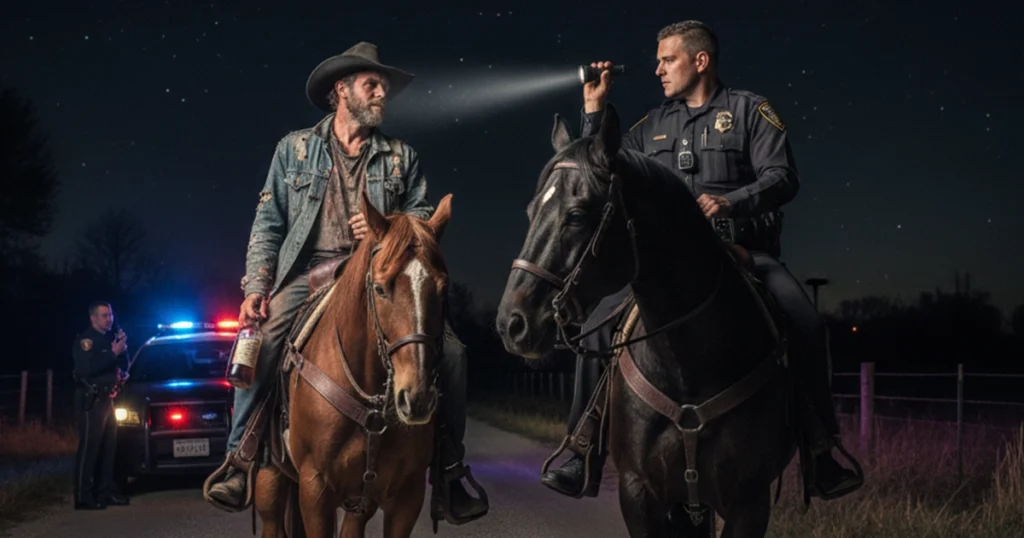
When people think of driving under the influence, they usually picture cars, trucks, or motorcycles. But what happens if someone rides a horse while intoxicated? While this may sound unusual, it is a question that arises in rural areas and during events or celebrations. In Texas, you generally cannot be charged with a DUI or DWI on a horse.
That said, intoxicated horseback riding is not without legal consequences. Riders can still face criminal charges such as public intoxication or endangerment. If you’ve been arrested or are concerned about potential legal issues, consulting a Houston DUI/DWI lawyer can help protect your rights and navigate the complexities of Texas law.
How Texas Law Defines DUI
Under Texas law, a DUI or DWI offense is governed by Texas Penal Code §49.04, which applies when a person operates a vehicle while intoxicated by alcohol or drugs. The law defines intoxication as either:
- Not having the normal use of mental or physical faculties due to alcohol, drugs, or both.
- Having a blood alcohol concentration (BAC) of 0.08% or higher.
These definitions apply broadly in DUI and DWI cases involving cars and other motor vehicles. However, the key distinction is that a horse is not a motor vehicle. While horses may be used for transportation, Texas DUI laws are written and enforced primarily for motorized vehicles. This is why intoxicated horseback riding is usually not charged as DUI or DWI in Texas.
Why DUI Laws Are Often Misunderstood When It Comes to Horses
Confusion often arises because Texas transportation laws define a “vehicle” broadly, and horses may legally use certain public roads or shoulders. This leads some people to assume DUI laws automatically apply to horseback riding.
In practice, Texas courts and law enforcement do not treat horses the same way as cars or motorcycles for DUI purposes. Instead of pursuing DUI charges, officers typically rely on other statutes when intoxicated riding creates a danger. Key points to understand:
- Horses are not motor vehicles under Texas DUI statutes
- DUI charges for horseback riding are rare and highly disputed
- Law enforcement focuses on public safety, not the method of transportation
Charges You Can Face for Riding a Horse While Intoxicated
Although DUI laws usually do not apply, intoxicated horseback riding can still result in criminal charges if the rider poses a danger to themselves or others. Common charges include:
- Public intoxication if the rider is visibly impaired and endangering safety
- Disorderly conduct for unsafe or disruptive behavior
- Obstruction of a roadway if the horse interferes with traffic
- Other safety-related citations, depending on the circumstances
Even if riding occurs on private property, charges may still apply if the rider’s behavior affects public areas or other people. Additionally, riders may face civil liability for any injuries or property damage caused while intoxicated, which can lead to financial responsibility and long-term legal consequences.
Public Roads vs. Private Property: Why Location Matters
Where the riding occurs plays a major role in how law enforcement responds. Intoxicated horseback riding on public roads is treated far more seriously than riding on private land.
Riding on Public Roads
- Increased interaction with vehicle traffic
- Greater risk to pedestrians and drivers
- Higher likelihood of police intervention
Riding on Private Property
- Lower legal exposure, but not immunity
- Charges may still apply if others are endangered
- Risk increases if the horse enters public spaces
Location often determines whether a rider is warned, cited, or arrested.
Legal Consequences of a Horse DUI
When people think of driving under the influence, they picture cars or motorcycles. While Texas doesn’t allow DUI or DWI charges for horseback riding, intoxicated riders can face serious legal consequences. A Houston DUI/DWI lawyer can help protect your rights and navigate potential criminal or civil issues.
Criminal Consequences May Include
- Fines and court costs: Monetary penalties can range from hundreds to thousands of dollars.
- Mandatory alcohol education or treatment programs: Courts may require participation in alcohol-related programs.
- Community service or jail time: Short-term jail may apply in aggravated cases.
- Permanent criminal record: A record can affect employment, professional licensing, and insurance (Texas Penal Code §49.02).
Civil Liability Risks
Intoxicated horseback riding can also create civil liability under Texas law (Texas Civil Practice & Remedies Code §33.001) if an accident causes injury or property damage. Riders may be responsible for:
- Personal injury claims: Compensation for injuries caused to others.
- Property damage claims: Repair or replacement costs for damaged property.
- Medical expenses: Responsibility for medical bills resulting from an accident.
Why Horseback Riding Is Treated Differently Than a Car DUI
Car DUI cases focus on motor vehicles capable of high speeds and severe damage. Horseback riding cases, while still dangerous, involve different risks and legal considerations. Key differences include:
- Type of vehicle: Horses are animals, not machines
- Legal framework: DUI statutes focus on motor vehicles
- Enforcement approach: Officers prioritize public safety over DUI labels
Although the legal treatment differs, intoxicated riding can still result in significant penalties.
Horse DUI? Know the Risks
While you generally cannot be charged with a DUI on a horse in Texas, intoxicated horseback riding can still lead to criminal charges, arrests, or civil liability. Public safety laws are taken seriously, and consequences may include fines, citations, or responsibility for injuries or property damage caused during the ride.
If prosecutors attempt to overcharge you with public intoxication, disorderly conduct, or related offenses, an experienced Houston criminal defense lawyer can help. At Juan L. Guerra, Jr. & Associates, PLLC, we evaluate your case, identify factors that reduce your liability, and develop strategies to lower charges or pursue dismissal. Acting quickly ensures your rights and financial interests are protected while navigating these unusual legal situations.