

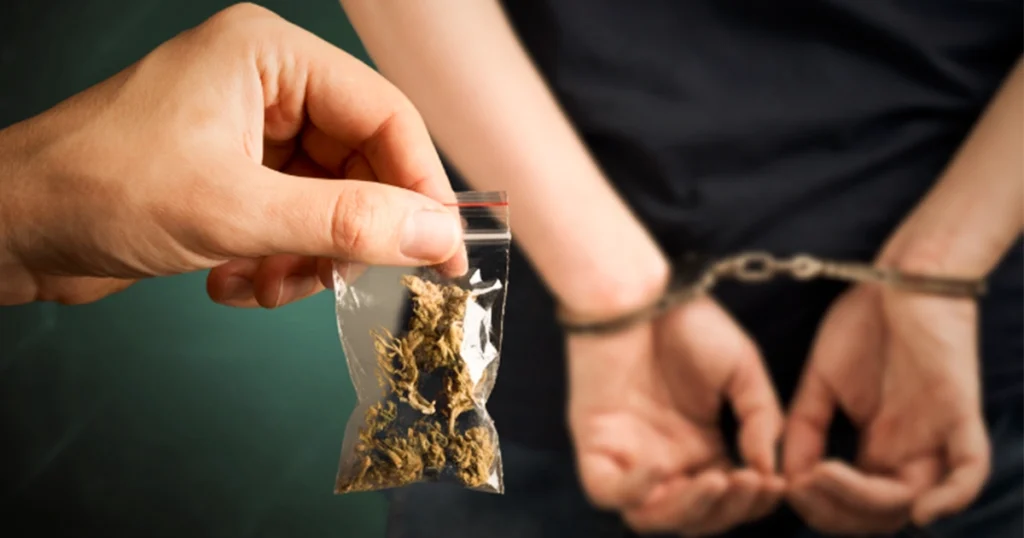
If you’ve ever wondered why weed isn’t legally sold or used in Texas, the answer is rooted in a complex mix of legal, political, and cultural factors, not simply concerns about its dangers. The prohibition of weed in Texas has historical roots tied to prejudice and social fear, contributing to the ongoing debate around its legality. Despite shifting public attitudes and growing support for medical marijuana, weed remains illegal for recreational use in Texas.
Individuals facing legal issues related to weed, including possession or distribution, should consult with a Houston drug trafficking lawyer. An experienced attorney can help you understand your rights and navigate the legal landscape in Texas, including charges under the Texas Controlled Substances Act.
A Brief History of Weed in the U.S.
Weed was not always illegal. Historically, it was used medicinally and for industrial purposes like rope and cloth. However, the criminalization of weed was influenced more by political agendas and prejudice than medical evidence:
- 1910s–1930s: Weed became associated with Mexican immigrants and African Americans. Media and government propaganda fueled fears, linking weed use to social decline.
- 1937: The Marijuana Tax Act effectively prohibited weed nationwide.
- 1961: An international agreement classified weed as a dangerous drug, alongside heroin.
- 1970s: The War on Drugs escalated, imposing harsher penalties and reinforcing social stigma.
In Texas, these laws also curtailed hemp cultivation, cutting off potential economic benefits.
Types of Weed
Weed, also referred to as cannabis or marijuana, comes from the cannabis plant and can be consumed in various forms, including smoking, vaping, and ingestion. Here are some common types of weed:
- Grass (Flower/Bud): The dried flowers of the cannabis plant, commonly smoked or vaped.
- Skunk: A potent strain known for its strong psychoactive effects and pungent odor.
- Hash (Hashish): Compressed resin from the cannabis plant, available in various textures, often smoked or ingested.
- Concentrates: Cannabis extracts such as oils, wax, or shatter, commonly used in vaping devices.
- Edibles: Foods or beverages infused with cannabis; effects take longer to appear but can last much longer than inhaled forms.
Weed affects both the mind and body, producing relaxation, altered perceptions, and sometimes increased appetite or drowsiness. While not all users develop a dependence, regular use can lead to physical or psychological reliance in some individuals.
What is the Legal Status of Weed in Texas?
In Texas, weed (or cannabis) is illegal for recreational use. This means possessing, selling, or using marijuana for personal enjoyment is against the law. However, exceptions exist for individuals with qualifying medical conditions.
Cannabis for Recreational Use
Under Texas law, possessing or using cannabis for recreational purposes can lead to criminal charges. The penalties vary depending on the amount of marijuana involved. The law governing marijuana possession is outlined in Texas Health & Safety Code § 481.121
Possession of Small Amounts (less than 2 ounces)
If you are caught with less than 2 ounces of weed, you may be charged with a Class B misdemeanor.
- Penalties:
- Up to 180 days in jail
- Fines up to $2,000
- Up to 180 days in jail
Possession of Larger Amounts
The penalties increase significantly for larger amounts of marijuana:
- 2 to 4 ounces: Class A misdemeanor
- Penalties: Up to 1 year in jail and fines up to $4,000.
- Penalties: Up to 1 year in jail and fines up to $4,000.
- 4 ounces to 5 pounds: State jail felony
- Penalties: Up to 2 years in prison and fines up to $10,000.
- Penalties: Up to 2 years in prison and fines up to $10,000.
- More than 5 pounds: Third-degree felony
- Penalties: Up to 10 years in prison and fines up to $10,000.
Why Weed Remains Illegal in Texas
Navigating Texas weed laws can be challenging due to decades of prohibition, shifting political priorities, and cultural resistance. Those facing charges often find themselves up against complex legal hurdles that require professional guidance. Consulting our Houston drug trafficking lawyer can be crucial for understanding one’s rights and potential defenses. Weed laws in Texas continue to be shaped by historical precedent, political influence, and cultural norms:
- History: Decades of prohibition created an enduring stigma.
- Politics: Enforcement often reflected racial and social agendas rather than scientific evidence.
- Culture: Weed has not been socially normalized in the same way as other substances, reinforcing public resistance.
How our Criminal Lawyer Protects You
If you’re facing marijuana possession or distribution charges in Texas, a Houston drug trafficking lawyer can provide strategies to protect your rights and minimize penalties. At JLG Law Office, we focus on:
- Understanding Your Rights: Explaining your legal rights under Texas law and the defenses available in your specific case.
- Fighting for Reduced Charges: Negotiating with prosecutors to pursue reduced charges, alternative sentencing, or diversion programs.
- Challenging the Evidence: Questioning the legality of searches, seizures, or other evidence that may be improperly obtained, potentially leading to dismissal or reduction of charges.
- Developing Defense Strategies: Crafting a tailored defense plan based on the facts of your case, including intent, prior record, and circumstances of the arrest.
- Representing You in Court: Providing strong representation at trial or during hearings to protect your future and advocate for the best possible outcome.
Get Legal Help Today
Texas marijuana laws remain strict, and even small amounts of weed can lead to arrest, criminal charges, and lasting consequences. If you have questions about marijuana possession, medical marijuana, or potential charges, it is critical to understand how Texas law applies to your situation. Consulting an experienced criminal defense attorney can help protect your rights and avoid costly mistakes. Contact Juan L. Guerra, Jr. & Associates, PLLC today to discuss your legal options and get clear guidance on marijuana laws in Texas before a simple mistake turns into a serious legal problem.