

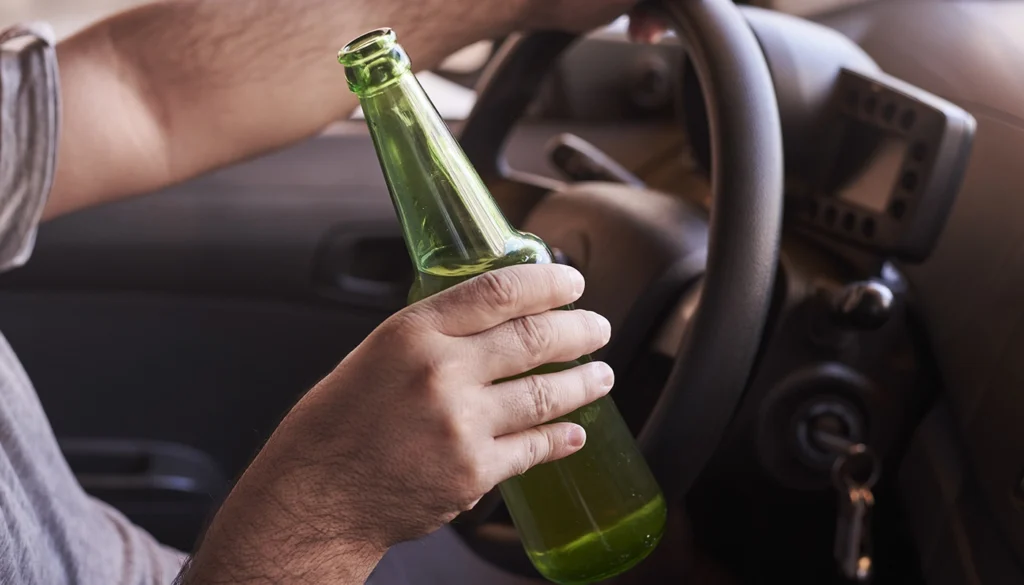
For most drivers age 21 or older, a BAC of 0.08% or higher is the per se alcohol concentration threshold for DWI in Texas. However, Texas law also allows a person to be considered intoxicated if alcohol, drugs, or another substance causes them to lose the normal use of their mental or physical faculties.
The rules can be stricter for drivers under 21, commercial drivers, and certain other motorists. In addition, a driver’s BAC can affect the severity of potential DWI consequences. If you are stopped or arrested for suspected impaired driving in Houston, the circumstances of the traffic stop, field sobriety testing, and chemical testing may all become important. A Houston criminal defense attorney can review the evidence and explain what legal options may be available.
What Is the Legal BAC Limit for Driving in Texas?
For most drivers 21 and older operating a non-commercial vehicle, the commonly recognized legal BAC limit is 0.08%. Under Texas Penal Code §49.01, a person is considered intoxicated if they have lost the normal use of their mental or physical faculties because of alcohol or another substance, or if their alcohol concentration is 0.08 or more.
This means a driver does not necessarily have to register 0.08% on a breath or blood test to face a DWI charge. Evidence of impairment may also support an allegation that the driver was intoxicated.
Is 0.08% BAC the Only Legal Limit in Texas?
No. The 0.08% threshold is important, but it should not be treated as permission to drive after drinking until your BAC reaches that number. Texas law recognizes two ways a person can meet the definition of intoxicated: having a BAC of at least 0.08% or lacking the normal use of mental or physical faculties because of alcohol, drugs, or another substance.
For example, a driver could potentially face DWI allegations based on observed impairment even if a chemical test produces a result below 0.08%.
What Is the BAC Limit for Drivers Under 21 in Texas?
Texas has zero-tolerance rules for drivers under 21. A driver under 21 can face administrative and other legal consequences for operating a motor vehicle in a public place with any detectable amount of alcohol in their system. The adult 0.08% BAC threshold does not provide the same protection to an underage driver.
What Is the BAC Limit for Commercial Drivers in Texas?
Commercial drivers can face consequences at a BAC of 0.04% or more when operating a commercial motor vehicle. Separate CDL disqualification rules may also apply to certain alcohol-related violations.
These consequences can be especially serious for Houston truck drivers, delivery drivers, and other commercial operators whose livelihoods depend on maintaining their CDL. If you are facing an alcohol-related driving charge or CDL consequence, a Houston DWI lawyer can review the circumstances of the stop, testing, and alleged violation and explain your available legal options.
What Happens if You Drive With a BAC of 0.08% or Higher?
A BAC of 0.08% or higher can support a DWI prosecution for an applicable driver, but the consequences can extend beyond the criminal case.
Depending on the circumstances, a driver may face:
- DWI charges
- Driver’s license suspension
- Fines and court costs
- Probation
- Alcohol education requirements
- Ignition interlock requirements
- Increased insurance costs
- Possible jail or prison consequences in more serious cases
Can You Get a DWI Below the Legal BAC Limit?
Yes. A driver may potentially be charged with DWI even when their BAC is below 0.08% if prosecutors have evidence that alcohol or another substance caused the driver to lose the normal use of their mental or physical faculties.
Evidence can include:
- Driving behavior
- Field sobriety test results
- Officer observations
- Statements made by the driver
- Video footage
- Breath-test results
- Blood-test results
- Witness testimony
Does a Breath Test Automatically Prove DWI?
Not necessarily. A breath-test result can be important evidence, but the circumstances surrounding the test may also matter.
A DWI defense may examine issues such as:
- Whether the testing equipment was properly maintained
- Whether testing procedures were followed
- Whether the test was administered correctly
- The timing of the test
- Whether other evidence supports or contradicts the result
- Whether the officer had reasonable grounds for the traffic stop or arrest
What Is the Legal Alcohol Limit for Driving in Houston?
Houston does not have a separate BAC limit from the rest of Texas. Texas law establishes the applicable alcohol and DWI standards throughout the state, so the 0.08% BAC limit for most adult drivers applies in Houston as well. However, Texas law also recognizes impairment based on the loss of normal mental or physical faculties, meaning a driver may face a DWI allegation even when their BAC is below 0.08%.
A DWI arrest in Houston can involve local law enforcement, and Texas state laws. The circumstances of the traffic stop, field sobriety testing, breath or blood testing, and arrest can all affect the legal issues involved. Because DWI and drug-related offenses involve different laws and defenses, someone searching for a drug crime attorney near me should seek counsel experienced in the specific type of charge they are facing.
Also Read: When drunk driving became illegal in Houston
What Is the Difference Between BAC and Intoxication?
BAC is a measurement of alcohol concentration in a person’s body. Intoxication is a legal concept that can involve either a BAC of 0.08% or higher or the loss of normal mental or physical faculties due to alcohol or another substance.
This distinction is important because a driver’s BAC number is only one part of a DWI investigation.
What Should You Do After a DWI Arrest in Houston?
If you have been arrested for suspected DWI, avoid discussing the facts of your case with people other than your attorney. Keep your citation, arrest paperwork, bond documents, and any information about chemical testing.
You should also pay attention to driver’s license issues. The Texas DPS states that the Administrative License Revocation (ALR) process is separate from the criminal DWI case, meaning an administrative license suspension can proceed independently of what happens in criminal court.
Can You Fight a DWI Charge Based on BAC Evidence?
Potentially. The appropriate defense depends on the evidence and circumstances surrounding the arrest. An attorney may review the traffic stop, probable cause, field sobriety testing, chemical testing, officer conduct, and other evidence to determine whether legal or factual issues can be challenged. A BAC result should therefore be evaluated alongside the rest of the evidence rather than viewed in isolation.
What Are the Penalties for DWI in Texas?
The consequences of a DWI conviction in Texas depend on factors such as whether you have prior DWI convictions, your BAC, whether a child was in the vehicle, and whether someone was seriously injured or killed. A first DWI is generally a Class B misdemeanor, but a BAC of 0.15 or higher can elevate the offense to a Class A misdemeanor. Prior DWI convictions can also increase the charge and punishment.
The following summarizes the statutory punishment ranges that may apply. The actual consequences depend on the charge, prior convictions, aggravating circumstances, and the facts of the case.
| Situation | Offense Level | Fine | Confinement |
| First DWI | Class B misdemeanor | Up to $2,000 | 72 hours to 180 days in jail |
| First DWI with BAC of 0.15+ | Class A misdemeanor | Up to $4,000 | 30 days to 1 year |
| Second DWI | Class A misdemeanor | Up to $4,000 | 30 days to 1 year |
| Third or subsequent DWI | Third-degree felony | Up to $10,000 | 2 to 10 years in prison |
| DWI with a passenger under 15 | State jail felony | Up to $10,000 | 180 days to 2 years |
| Intoxication assault | Generally third-degree felony | Up to $10,000 | 2 to 10 years |
| Intoxication manslaughter | Generally second-degree felony | Up to $10,000 | 2 to 20 years |
How Can a Houston DWI Lawyer Help?
A Houston DWI lawyer can examine whether the traffic stop was lawful, whether officers had sufficient grounds for the arrest, whether sobriety testing was properly conducted, and whether breath or blood evidence can be challenged. The attorney can also explain potential administrative license consequences and help you understand the criminal charges and available defense strategies.
Facing Charges for Driving Over the Legal Alcohol Limit?
If you were arrested for driving above the legal alcohol limit in Houston, you may be facing a DWI charge, driver’s license consequences, fines, and other penalties. Even when a breath or blood test shows a BAC at or above the legal threshold, the circumstances surrounding the traffic stop, testing process, and arrest can still matter. Understanding the evidence against you and your legal rights can help you make informed decisions about your case.
Juan L. Guerra, Jr. & Associates, PLLC can review your DWI arrest, including the traffic stop, field sobriety testing, and breath or blood test results, and explain the legal options available to you. If you are facing a DWI charge in Houston, contact our team today for a free consultation and discuss your case with an experienced Texas defense attorney.